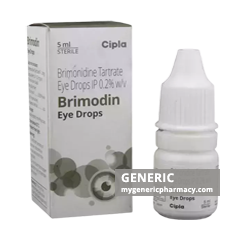
Buy Generic Alphagan (Brimonidine) Online
Buy Most Prescribed Brimonidine – Now at 92% Discount.
About Generic Alphagan® (Brimonidine)
Key Details
- Generic Alphagan™ 0.2% 5 ml for Glaucoma
- Buy online Generic Alphagan™ 0.2% 5 ml (1 bottle), Alphagan Cost, Price $12.50 at 92% Discount
- Lowers intraocular pressure
- Dual action (↓ production + ↑ outflow)
- Helps prevent vision loss
How Generic Alphagan Works
After instillation into the eye, brimonidine stimulates alpha-2 receptors in the ciliary body, decreasing the production of aqueous humor. At the same time, it enhances fluid drainage through the uveoscleral pathway.
This dual action effectively lowers intraocular pressure. By reducing pressure inside the eye, it helps prevent damage to the optic nerve and slows the progression of glaucoma.
Drug Info
BRIMONIDINE – ORAL (bri MO ni deen)
Common Brand Name(s): Alphagan™
Other name brands for this medication
Alphagan P, Lumify, Qoliana, Bidin LS, Brimodin, Alcon Brimo, Iobrim, Erythego, Brimo, Brimosun LS, Brimochek, Rimonid
Uses of Alphagan
This medication is used to treat open-angle glaucoma or high fluid pressure in the eye. Lowering high fluid pressure in the eye reduces the risk of vision loss, nerve damage, or blindness. This medication lowers pressure by allowing better fluid drainage from within the eye and also by reducing the amount of fluid formed in the eye. It is known as an alpha agonist.
This drug is not recommended for use in children less than 2 years of age due to an increased risk of serious side effects such as very slowed breathing. Ask the doctor or pharmacist for details.
Before Using Alphagan
Before using this medication, tell your doctor or pharmacist if you are allergic to it; or to apraclonidine; or if you have any other allergies. This product may contain inactive ingredients, which can cause allergic reactions or other problems. Talk to your pharmacist for more details.
How to Use Alphagan
To apply eye drops, wash your hands first. To avoid contamination, do not touch the dropper tip or let it touch your eye or any other surface. If you are wearing contact lenses, remove them before using this medication. After applying this medication, wait at least 15 minutes before putting in your contact lens.
Tilt your head back, look upward and pull down the lower eyelid to make a pouch. Hold the dropper directly over your eye and insert one drop, usually three times daily, or as directed by your doctor. Look downward and gently close your eyes for 1 to 2 minutes. Place one finger at the corner of your eye (near the nose) and apply gentle pressure. Try not to blink and do not rub your eye. This will prevent the medication from draining out. Repeat these steps for your other eye if so directed by your doctor.
Do not rinse the dropper. Replace the dropper cap after each use.
If you are using another kind of eye medication (e.g., drops or ointments), wait at least 5 minutes before applying the other medications. Use eye drops before eye ointments to allow the eye drops to enter the eye.
It is important to continue this medication even if you do not have any symptoms. Use this medication regularly in order to get the most benefit from it. Remember to use it at the same times each day. Do not stop using this medication without consulting your doctor.
Inform your doctor if your condition worsens.
Side Effects of Alphagan
Eye discomfort/itching/redness, blurred vision, dizziness, dry mouth, bad taste in the mouth, drowsiness, or tiredness may occur. If any of these effects persist or worsen, notify your doctor
or pharmacist promptly.
Remember that your doctor has prescribed this medication because he or she has judged that the benefit to you is greater than the risk of side effects. Many people using this medication do not have serious side effects. Tell your doctor right away if any of these unlikely but serious side effects occur: fast/pounding heartbeats, persistent headache, eye pain/burning/swelling, extreme sensitivity to light, vision changes.
Tell your doctor right away if any of these rare but very serious side effects occur: fainting,
slow/irregular heartbeats. A very serious allergic reaction to this drug is unlikely, but seek immediate medical attention if it occurs. Symptoms of a serious allergic reaction may include: rash, itching/swelling (especially of the face/tongue/throat), severe dizziness, trouble breathing.
This is not a complete list of possible side effects. If you notice other effects not listed above, contact your doctor or pharmacist.
Precautions
Before using this medication, tell your doctor or pharmacist your medical history, especially of: blood vessel diseases (thromboangiitis obliterans), blood circulation disorders (cerebral or coronary insufficiency), depression, severe heart disease, kidney disease, liver disease, Raynaud's disease, low blood pressure upon standing (orthostatic hypotension).
This drug may make you dizzy or drowsy or blur your vision. Alcohol or marijuana can make you more dizzy or drowsy. Do not drive, use machinery, or do anything that needs alertness or clear vision until you can do it safely. Limit alcoholic beverages. Talk to your doctor if you are using marijuana.
Caution is advised when using this medication in children because they may be more sensitive to its side effects, especially drowsiness. See also Uses section. This medication should be used only when clearly needed during pregnancy. Discuss the risks and benefits with your doctor.
It is unknown if this medication passes into breast milk. Consult your doctor before breast-feeding.
Drug Interactions
Drug interactions may change how your medications work or increase your risk for serious side effects. This document does not contain all possible drug interactions. Keep a list of all the products you use (including prescription/nonprescription drugs and herbal products) and share it with your doctor and pharmacist. Do not start, stop, or change the dosage of any medicines without your doctor's approval.
Some products that may interact with this drug include: beta-blockers (e.g., atenolol, metoprolol, timolol eye drops), digoxin, high blood pressure medications (e.g., clonidine, terazosin), tricyclic antidepressants (e.g., amitriptyline).
Tell your doctor or pharmacist if you are using other products that cause drowsiness such as opioid pain or cough relievers (such as codeine, hydrocodone), alcohol, marijuana, drugs for sleep or anxiety (such as alprazolam, lorazepam, zolpidem), muscle relaxants (such as carisoprodol, cyclobenzaprine), or antihistamines (such as cetirizine, diphenhydramine).
Check the labels on all your medicines (such as allergy or cough-and-cold products) because they may contain ingredients that cause drowsiness. Ask your pharmacist about using those products safely.
Missed Dose
If you miss a dose, take it as soon as you remember. If it is near the time of the next dose, skip the missed dose and resume your usual dosing schedule. Do not double the dose to catch up.
Overdose
If overdose is suspected, contact your local poison control center or emergency room immediately. Symptoms of overdose may include nausea, vomiting, fast or irregular heartbeat, unusual drowsiness or dizziness, and loss of consciousness.
Storage
Store at room temperature away from light and moisture. Do not store in the bathroom. Keep all medications away from children and pets.
Cost of Alphagan
The lowest MyGenericPharmacy.com price for the most common version of Alphagan (Brimonidine) is around $12.50, 92% off the average online retailing price of $167.75.
What is Alphagan / Brimonidine?
Alphagan is an ophthalmic medication containing brimonidine, used to treat glaucoma and ocular hypertension. It helps lower intraocular pressure (IOP) and protect vision.
How Does Alphagan Work?
Brimonidine is an alpha-2 adrenergic agonist. It works by reducing aqueous humor production and increasing uveoscleral outflow, thereby lowering IOP.
Benefits of Alphagan
- Lowers intraocular pressure
- Dual action (↓ production + ↑ outflow)
- Helps prevent vision loss
- Can be combined with other glaucoma drugs
- Effective for ocular hypertension
Dosage & How to Use
- Used as eye drops
- Usually 1 drop in affected eye(s) 2–3 times daily
- Wash hands before use
- Avoid touching dropper tip
- Leave 5–10 minutes gap between different eye medications
Side Effects & Precautions
Common side effects may include:
- Eye redness
- Burning or stinging
- Dry mouth
- Fatigue
- Blurred vision
Precautions:
- Use cautiously in patients with cardiovascular disease
- Avoid in infants and young children
- Monitor for drowsiness or fatigue
- Inform doctor about other medications
Who Should Not Take Alphagan
- Patients allergic to brimonidine
- Infants and young children
- Patients taking MAO inhibitors
- Use cautiously in heart disease or depression
Other Information of Alphagan :
FOR BEST RESULTS, this medicine should be used along with exercise, a low-cholesterol/low-fat diet, and a weight loss program if you are overweight. FOLLOW THE DIETARY PLAN provided by your doctor. DO NOT SHARE THIS MEDICINE with others for whom it was not prescribed. DO NOT USE THIS MEDICINE for other health conditions. KEEP THIS MEDICINE out of the reach of children and pets. IF USING THIS MEDICINE FOR AN EXTENDED PERIOD OF TIME, obtain refills before your supply runs out.
MISSPELLINGS OF ALPHAGAN :
Alphagon, Alphagen, Alphagran, Alphagam, Alphagun, Alphagenn, Alphagaan, Alfhagan, Alphagin, Alphaganx, Alphaganes, Alphagann, Alphaginne,
Alphagan, Alfagan, Alphanagan, Alphanagan, Alphagun, Alfigan, Brimondine, Brimonadin, Brimonodine, Brimonidinee, Briminidine, Brimonindine, Brimonodene, Brimondin, Brimonideen, Brimonedine, Briminodine, Brimonidene, Brimodine.
Buy Generic Alphagan (Brimonidine) Online
Buy Most Prescribed Brimonidine – Now at 92% Discount.
About Generic Alphagan® (Brimonidine)
Key Details
- Generic Alphagan™ 0.2% 5 ml for Glaucoma
- Buy online Generic Alphagan™ 0.2% 5 ml (1 bottle), Alphagan Cost, Price $12.50 at 92% Discount
- Lowers intraocular pressure
- Dual action (↓ production + ↑ outflow)
- Helps prevent vision loss
How Generic Alphagan Works
After instillation into the eye, brimonidine stimulates alpha-2 receptors in the ciliary body, decreasing the production of aqueous humor. At the same time, it enhances fluid drainage through the uveoscleral pathway.
This dual action effectively lowers intraocular pressure. By reducing pressure inside the eye, it helps prevent damage to the optic nerve and slows the progression of glaucoma.
Drug Info
BRIMONIDINE – ORAL (bri MO ni deen)
Common Brand Name(s): Alphagan™
Other name brands for this medication
Alphagan P, Lumify, Qoliana, Bidin LS, Brimodin, Alcon Brimo, Iobrim, Erythego, Brimo, Brimosun LS, Brimochek, Rimonid
Uses of Alphagan
This medication is used to treat open-angle glaucoma or high fluid pressure in the eye. Lowering high fluid pressure in the eye reduces the risk of vision loss, nerve damage, or blindness. This medication lowers pressure by allowing better fluid drainage from within the eye and also by reducing the amount of fluid formed in the eye. It is known as an alpha agonist.
This drug is not recommended for use in children less than 2 years of age due to an increased risk of serious side effects such as very slowed breathing. Ask the doctor or pharmacist for details.
Before Using Alphagan
Before using this medication, tell your doctor or pharmacist if you are allergic to it; or to apraclonidine; or if you have any other allergies. This product may contain inactive ingredients, which can cause allergic reactions or other problems. Talk to your pharmacist for more details.
How to Use Alphagan
To apply eye drops, wash your hands first. To avoid contamination, do not touch the dropper tip or let it touch your eye or any other surface. If you are wearing contact lenses, remove them before using this medication. After applying this medication, wait at least 15 minutes before putting in your contact lens.
Tilt your head back, look upward and pull down the lower eyelid to make a pouch. Hold the dropper directly over your eye and insert one drop, usually three times daily, or as directed by your doctor. Look downward and gently close your eyes for 1 to 2 minutes. Place one finger at the corner of your eye (near the nose) and apply gentle pressure. Try not to blink and do not rub your eye. This will prevent the medication from draining out. Repeat these steps for your other eye if so directed by your doctor.
Do not rinse the dropper. Replace the dropper cap after each use.
If you are using another kind of eye medication (e.g., drops or ointments), wait at least 5 minutes before applying the other medications. Use eye drops before eye ointments to allow the eye drops to enter the eye.
It is important to continue this medication even if you do not have any symptoms. Use this medication regularly in order to get the most benefit from it. Remember to use it at the same times each day. Do not stop using this medication without consulting your doctor.
Inform your doctor if your condition worsens.
Side Effects of Alphagan
Eye discomfort/itching/redness, blurred vision, dizziness, dry mouth, bad taste in the mouth, drowsiness, or tiredness may occur. If any of these effects persist or worsen, notify your doctor
or pharmacist promptly.
Remember that your doctor has prescribed this medication because he or she has judged that the benefit to you is greater than the risk of side effects. Many people using this medication do not have serious side effects. Tell your doctor right away if any of these unlikely but serious side effects occur: fast/pounding heartbeats, persistent headache, eye pain/burning/swelling, extreme sensitivity to light, vision changes.
Tell your doctor right away if any of these rare but very serious side effects occur: fainting,
slow/irregular heartbeats. A very serious allergic reaction to this drug is unlikely, but seek immediate medical attention if it occurs. Symptoms of a serious allergic reaction may include: rash, itching/swelling (especially of the face/tongue/throat), severe dizziness, trouble breathing.
This is not a complete list of possible side effects. If you notice other effects not listed above, contact your doctor or pharmacist.
Precautions
Before using this medication, tell your doctor or pharmacist your medical history, especially of: blood vessel diseases (thromboangiitis obliterans), blood circulation disorders (cerebral or coronary insufficiency), depression, severe heart disease, kidney disease, liver disease, Raynaud's disease, low blood pressure upon standing (orthostatic hypotension).
This drug may make you dizzy or drowsy or blur your vision. Alcohol or marijuana can make you more dizzy or drowsy. Do not drive, use machinery, or do anything that needs alertness or clear vision until you can do it safely. Limit alcoholic beverages. Talk to your doctor if you are using marijuana.
Caution is advised when using this medication in children because they may be more sensitive to its side effects, especially drowsiness. See also Uses section. This medication should be used only when clearly needed during pregnancy. Discuss the risks and benefits with your doctor.
It is unknown if this medication passes into breast milk. Consult your doctor before breast-feeding.
Drug Interactions
Drug interactions may change how your medications work or increase your risk for serious side effects. This document does not contain all possible drug interactions. Keep a list of all the products you use (including prescription/nonprescription drugs and herbal products) and share it with your doctor and pharmacist. Do not start, stop, or change the dosage of any medicines without your doctor's approval.
Some products that may interact with this drug include: beta-blockers (e.g., atenolol, metoprolol, timolol eye drops), digoxin, high blood pressure medications (e.g., clonidine, terazosin), tricyclic antidepressants (e.g., amitriptyline).
Tell your doctor or pharmacist if you are using other products that cause drowsiness such as opioid pain or cough relievers (such as codeine, hydrocodone), alcohol, marijuana, drugs for sleep or anxiety (such as alprazolam, lorazepam, zolpidem), muscle relaxants (such as carisoprodol, cyclobenzaprine), or antihistamines (such as cetirizine, diphenhydramine).
Check the labels on all your medicines (such as allergy or cough-and-cold products) because they may contain ingredients that cause drowsiness. Ask your pharmacist about using those products safely.
Missed Dose
If you miss a dose, take it as soon as you remember. If it is near the time of the next dose, skip the missed dose and resume your usual dosing schedule. Do not double the dose to catch up.
Overdose
If overdose is suspected, contact your local poison control center or emergency room immediately. Symptoms of overdose may include nausea, vomiting, fast or irregular heartbeat, unusual drowsiness or dizziness, and loss of consciousness.
Storage
Store at room temperature away from light and moisture. Do not store in the bathroom. Keep all medications away from children and pets.
Cost of Alphagan
The lowest MyGenericPharmacy.com price for the most common version of Alphagan (Brimonidine) is around $12.50, 92% off the average online retailing price of $167.75.
What is Alphagan / Brimonidine?
Alphagan is an ophthalmic medication containing brimonidine, used to treat glaucoma and ocular hypertension. It helps lower intraocular pressure (IOP) and protect vision.
How Does Alphagan Work?
Brimonidine is an alpha-2 adrenergic agonist. It works by reducing aqueous humor production and increasing uveoscleral outflow, thereby lowering IOP.
Benefits of Alphagan
- Lowers intraocular pressure
- Dual action (↓ production + ↑ outflow)
- Helps prevent vision loss
- Can be combined with other glaucoma drugs
- Effective for ocular hypertension
Dosage & How to Use
- Used as eye drops
- Usually 1 drop in affected eye(s) 2–3 times daily
- Wash hands before use
- Avoid touching dropper tip
- Leave 5–10 minutes gap between different eye medications
Side Effects & Precautions
Common side effects may include:
- Eye redness
- Burning or stinging
- Dry mouth
- Fatigue
- Blurred vision
Precautions:
- Use cautiously in patients with cardiovascular disease
- Avoid in infants and young children
- Monitor for drowsiness or fatigue
- Inform doctor about other medications
Who Should Not Take Alphagan
- Patients allergic to brimonidine
- Infants and young children
- Patients taking MAO inhibitors
- Use cautiously in heart disease or depression
Other Information of Alphagan :
FOR BEST RESULTS, this medicine should be used along with exercise, a low-cholesterol/low-fat diet, and a weight loss program if you are overweight. FOLLOW THE DIETARY PLAN provided by your doctor. DO NOT SHARE THIS MEDICINE with others for whom it was not prescribed. DO NOT USE THIS MEDICINE for other health conditions. KEEP THIS MEDICINE out of the reach of children and pets. IF USING THIS MEDICINE FOR AN EXTENDED PERIOD OF TIME, obtain refills before your supply runs out.
MISSPELLINGS OF ALPHAGAN :
Alphagon, Alphagen, Alphagran, Alphagam, Alphagun, Alphagenn, Alphagaan, Alfhagan, Alphagin, Alphaganx, Alphaganes, Alphagann, Alphaginne,
Alphagan, Alfagan, Alphanagan, Alphanagan, Alphagun, Alfigan, Brimondine, Brimonadin, Brimonodine, Brimonidinee, Briminidine, Brimonindine, Brimonodene, Brimondin, Brimonideen, Brimonedine, Briminodine, Brimonidene, Brimodine.
FAQ
1. What is Brimonidine (Alphagan) and what is it used for?
Brimonidine is a medical drug available to us under the brand name Alphagan which belongs to a class of medication called alpha adrenergic agonists. This medicine is used to treat certain types of pressure in the eye called glaucoma such as open angle glaucoma, rosacea and ocular hypertension.
2. When and how to take Brimonidine?
Brimonidine is available to us in a form of eye drop solution. Apply this solution directly in the eye usually not more than 4 times a day as per your doctor's direction. Do not touch the tip of the droplet or let it touch your eye. If you are wearing lenses, remove the and apply the eye drop. You can wear lenses after 15 min of medication. Get in position before applying the drop. Gently press the bottle so that drop is released in your eyes. Make sure to avoid letting the medicine come out of your eyes. Let the medicine dry before doing any important task. Also make sure to change the dropper after use. Do Not use medicine if the color of solution has changed. Try to take this medication regularly to get the most benefits from it. Read the medical prescription carefully and follow the doctor's guidelines.
3. What are the side effects of Brimonidine?
Some of the common side effects while using Brimonidine which may not require medical attention are headache, drowsiness, watery or runny eyes, sore throat, heartburn, difficulty falling asleep or staying asleep, itchy, irritated, red, stinging, or burning eyes, blurred vision, cough, sensitivity to light, red or swollen eyelids, pain or pressure in the face etc. Inform your doctor if these conditions persist or get worse. There are also some serious side effects that require immediate medical attention like fainting, nausea, rash, seeing specks or flashes of light, blind spots, difficulty breathing, dizziness etc.
4. How effective is Brimonidine?
Brimonidine is considered as an effective therapy for treating the eye pressure and vision symptoms. Follow your doctor's guidelines and medical prescription carefully. If you forgot your dose, take the medicine as soon as you remember it.
5. How quickly does Brimonidine work?
Brimonidine decreases intraocular pressure within an hour and delivers its maximum effect in 2-3 hours. Do not use it more often and also avoid using it as a long term medication.
6. What precautions must be taken before medicating with Brimonidine?
Before starting the medication with Brimonidine, one must inform the doctor regarding allergies related to it, or any other allergies as these products may contain some ingredient that causes an allergic reaction inside your body. Inform your doctor regarding all the products you use including herbal, prescribed, and non-prescribed medicine before undergoing any surgery.
7. How does brimonidine work?
Brimonidine works by reducing the production of aqueous humor and increases its flow out of the eye section which results in decreased pressure in the eye. The medicine is able to achieve this by stimulating the working of alpha type 2 receptors particularly in the eye while providing less effect of alpha type 2 receptors elsewhere in the body.
8. Can brimonidine eye drops cause low blood pressure?
Systemic absorption of brimonidine ophthalmic solution has been associated with an increase in blood pressure although there are no reports of clinical presentation of pseudo pheochromocytoma. The hypotensive effect could be observed 0.5-2 hours after applying the ophthalmic dose of medicine and could also occur by following the sign and symptoms of catecholamine excess.
9. Can Brimonidine cause dizziness or constipation?
Medication with Brimonidine causes a number of side effects that could be scaled from mild to severe. Side effects include dizziness, constipation, tiredness, dry mouth, blurred vision, eye pain, and many more. One must consult the doctor if these conditions persist or get worse.
10. Is brimonidine safe for eyes?
Brimonidine solution of 0.002% with a dose frequency of 4 times daily has proven to be a safe and effective medicine when used for a medication period as long as a month. The medicine involves no evidence of tachyphylaxis effect but a minimal rebound redness maybe after withdrawal from the medicine.
11. Can a pregnant woman use Brimonidine?
Brimonidine is a kind of medicine that must be used only when clearly needed during pregnancy. One must consult with their health professional before medicating with Brimonidine. Also, it is not known whether the medicine gets passed on into breast milk or not. Consult your doctor before breastfeeding the baby.