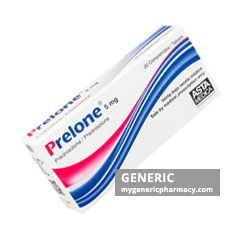
Buy Generic Prelone (Prednisolone) Online
Buy Most Prescribed Prednisolone – Now at 74% Discount.
About Generic Prelone® (Prednisolone)
Key Details
- Generic Prelone™ 5 mg for Asthma & Allergies
- Buy online Generic Prelone™ 5mg (90 Pills), Prelone Cost, Price $23.40 at 74% Discount
- Powerful anti-inflammatory action
- Rapid relief of allergic symptoms
- Useful in asthma exacerbations
How Generic Prelone Works
Generic Prelone reduces inflammation by inhibiting leukocyte migration, capillary permeability, and inflammatory mediator release. This leads to rapid symptom relief in allergic and inflammatory states.
It also suppresses immune responses, which is beneficial in autoimmune diseases but increases infection risk. Because it affects multiple body systems, dosing and duration must be carefully controlled.
Drug Info
PREDNISOLONE– ORAL (pred NIS oh lone)
Common Brand Name(s): Prelone™
Other name brands for this medication
Predisone is a common misspelling of prednisone
Orapred, Predicort RP, Orapred ODT, PediaPred, Bubbli-Pred, Cotolone, Flo-Pred, Millipred, Millipred DP, Veripred 20, Omnipred, Pred Mild, Orapred ODT, Pred Forte, Wysolone, Kidpred, Methpred, Emsolone, Catapred, Delsone, P-Lon.
Uses of Prelone
Prednisolone provides relief for inflamed areas of the body. It is used to treat a number of different conditions, such as inflammation (swelling), severe allergies, adrenal problems, arthritis, asthma, blood or bone marrow problems, eye or vision problems, lupus, skin conditions, kidney problems, ulcerative colitis, and flare-ups of multiple sclerosis. Prednisolone is a corticosteroid (cortisone-like medicine or steroid). It works on the immune system to help relieve swelling, redness, itching, and allergic reactions. This medicine is available only with your doctor's prescription.
Before Using Prelone
Tell your doctor if you have ever had any unusual or allergic reaction to this medicine or any other medicines. Also tell your health care professional if you have any other types of allergies, such as to foods, dyes, preservatives, or animals. For non-prescription products, read the label or package ingredients carefully.
How to Use Prelone
Take this medicine exactly as directed by your doctor. Do not take more of it, do not take it more often, and do not take it for a longer time than your doctor ordered. To do so may increase the chance for unwanted effects. This medicine comes with a patient instruction insert. Read and follow the instructions in the insert carefully. Ask your doctor if you have any questions. This medicine should be taken with food to avoid stomach irritation.
Measure the oral liquid with the special oral syringe that comes with the package. The average household teaspoon may not hold the right amount of liquid. If you use this medicine for a long time, do not suddenly stop using it without checking first with your doctor. You may need to slowly decrease your dose before stopping it completely.
Side Effects of Prelone
Along with its needed effects, a medicine may cause some unwanted effects. Although not all of these side effects may occur, if they do occur they may need medical attention.
Check with your doctor immediately if any of the following side effects occur:
More common
Aggression
agitation
anxiety
blurred vision
decrease in the amount of urine
dizziness
fast, slow, pounding, or irregular heartbeat or pulse
headache
irritability
mental depression
mood changes
nervousness
noisy, rattling breathing
numbness or tingling in the arms or legs
pounding in the ears
shortness of breath
swelling of the fingers, hands, feet, or lower legs
trouble thinking, speaking, or walking
troubled breathing at rest
weight gain
Incidence not known
Abdominal cramping and/or burning (severe)
abdominal pain
backache
bloody, black, or tarry stools
cough or hoarseness
darkening of skin
decrease in height
decreased vision
diarrhea
dry mouth
eye pain
eye tearing
facial hair growth in females
fainting
fatigue
fever or chills
flushed, dry skin
fractures
fruit-like breath odor
full or round face, neck, or trunk
heartburn and/or indigestion (severe and continuous)
increased hunger
increased thirst
increased urination
loss of appetite
loss of sexual desire or ability
lower back or side pain
menstrual irregularities
muscle pain or tenderness
muscle wasting or weakness
nausea
pain in back, ribs, arms, or legs
painful or difficult urination
skin rash
sleeplessness
sweating
trouble healing
trouble sleeping
unexplained weight loss
unusual tiredness or weakness
vision changes
vomiting
vomiting of material that looks like coffee grounds
Some side effects may occur that usually do not need medical attention. These side effects may go away during treatment as your body adjusts to the medicine. Also, your health care professional may be able to tell you about ways to prevent or reduce some of these side effects. Check with your health care professional if any of the following side effects continue or are bothersome or if you have any questions about them.
Precautions
If you will be taking this medicine for a long time, it is very important that your doctor check you at regular visits for any unwanted effects that may be caused by this medicine. Blood or urine tests may be needed to check for unwanted effects.
Using this medicine while you are pregnant can harm your unborn baby. Use an effective form of birth control to keep from getting pregnant. If you think you have become pregnant while using this medicine, tell your doctor right away.
Using too much of this medicine or using it for a long time may increase your risk of having adrenal gland problems. Talk to your doctor right away if you have more than one of these symptoms while you are using this medicine: blurred vision; dizziness or fainting; a fast, irregular, or pounding heartbeat; increased thirst or urination; irritability; or unusual tiredness or weakness.
This medicine may cause you to get more infections than usual. Avoid people who are sick or have infections and wash your hands often. If you are exposed to chickenpox or measles, tell your doctor right away. If you start to have a fever, chills, sore throat, or any other sign of an infection, call your doctor right away.
This medicine may cause changes in mood or behavior for some patients. Tell your doctor right away if you have depression; mood swings; a false or unusual sense of well-being; trouble with sleeping; or personality changes while taking this medicine.
This medicine might cause thinning of the bones (osteoporosis) or slow growth in children if used for a long time. Tell your doctor if you have any bone pain or if you have an increased risk for osteoporosis. If your child is using this medicine, tell the doctor if you think your child is not growing properly.
If you are using this medicine for a long time, tell your doctor about any extra stress or anxiety in your life, including other health concerns and emotional stress. Your dose of this medicine might need to be changed for a short time while you have extra stress.
Check with your doctor right away if blurred vision, difficulty in reading, or any other change in vision occurs during or after treatment. Your doctor may want you to have your eyes checked by an ophthalmologist (eye doctor).
While you are being treated with prednisolone, do not have any immunizations (vaccines) without your doctor's approval. Prednisolone may lower your body's resistance and the vaccine may not work as well or you might get the infection the vaccine is meant to prevent. In addition, you should not be around other persons living in your household who receive live virus vaccines because there is a chance they could pass the virus on to you. Some examples of live vaccines include measles, mumps, influenza (nasal flu vaccine), poliovirus (oral form), rotavirus, and rubella. Do not get close to them and do not stay in the same room with them for very long. If you have questions about this, talk to your doctor.
Make sure any doctor or dentist who treats you knows that you are using this medicine. This medicine may affect the results of certain skin tests.
Do not take other medicines unless they have been discussed with your doctor. This includes prescription or nonprescription (over-the-counter [OTC]) medicines and herbal or vitamin supplements.
Drug Interactions
Although certain medicines should not be used together at all, in other cases two different medicines may be used together even if an interaction might occur. In these cases, your doctor may want to change the dose, or other precautions may be necessary. When you are taking this medicine, it is especially important that your healthcare professional know if you are taking any of the medicines listed below. The following interactions have been selected on the basis of their potential significance and are not necessarily all-inclusive.
Using this medicine with any of the following medicines is not recommended. Your doctor may decide not to treat you with this medication or change some of the other medicines you take.
Rotavirus Vaccine, Live
Using this medicine with any of the following medicines is usually not recommended, but may be required in some cases. If both medicines are prescribed together, your doctor may change the dose or how often you use one or both of the medicines.
Aldesleukin
Apixaban
Asparaginase
Bupropion
Carbamazepine
Ceritinib
Cobicistat
Dabrafenib
Daclatasvir
Darunavir
Donepezil
Eliglustat
Elvitegravir
Eslicarbazepine Acetate
Hydrocodone
Idelalisib
Itraconazole
Mitotane
Nilotinib
Olaparib
Palbociclib
Piperaquine
Pixantrone
Ritonavir
Siltuximab
Sorafenib
Using this medicine with any of the following medicines may cause an increased risk of certain side effects, but using both drugs may be the best treatment for you. If both medicines are prescribed together, your doctor may change the dose or how often you use one or both of the medicines.
Missed Dose
If you miss a dose, take it as soon as you remember. If it is near the time of the next dose, skip the missed dose and resume your usual dosing schedule. Do not double the dose to catch up.
Overdose
If overdose is suspected, contact a poison control center or emergency room immediately.
Storage
Store at room temperature away from light and moisture. Do not store in the bathroom. Keep all medications away from children and pets.
Cost of Prelone
The lowest MyGenericPharmacy.com price for the most common version of Prelone (Prednisolone) is around $0.26, 74% off the average online retailing price of $90.00.
What is Prelone / Prednisolone?
Prelone is an oral corticosteroid used to treat inflammatory, allergic, autoimmune, and immune-mediated conditions. It is commonly prescribed in pediatric and adult patients for asthma, allergic reactions, rheumatic disorders, and certain endocrine conditions.
How Does Prelone Work?
Prednisolone binds to glucocorticoid receptors, altering gene transcription to suppress pro-inflammatory cytokines. This results in potent anti-inflammatory, immunosuppressive, and anti-allergic effects.
Benefits of Prelone
- Powerful anti-inflammatory action
- Rapid relief of allergic symptoms
- Useful in asthma exacerbations
- Treats autoimmune and rheumatic diseases
- Multiple oral formulations (tablet, syrup)
Dosage & How to Use
- Dose varies by condition and severity
- Common range: 5–60 mg/day (single or divided doses)
- Pediatric dosing is weight-based
- Take with food or milk
- Taper dose gradually after long-term use (do not stop abruptly)
Side Effects & Precautions
Common side effects may include:
- Increased appetite
- Weight gain
- Mood changes
- Insomnia
Precautions:
- Use lowest effective dose for shortest duration
- Monitor blood pressure, glucose, and growth in children
- Avoid live vaccines during therapy
- Gradual tapering required after prolonged use
Who Should Not Take Prelone
- Systemic fungal infections
- Hypersensitivity to prednisolone
- Caution in diabetes, peptic ulcer disease, hypertension
- Use in pregnancy only if benefits outweigh risks
Other Information of Prelone :
DO NOT SHARE THIS MEDICINE with others for whom it was not prescribed. DO NOT USE THIS MEDICINE for other health conditions. KEEP THIS MEDICINE out of the reach of children. IF USING THIS MEDICINE FOR AN EXTENDED PERIOD OF TIME, obtain refills before your supply runs out.
MISSPELLINGS OF PRELONE :
Prelon, Pirlone, Prellone, Parelone, Prelonn, Pirelone, Prellon, Prelonee, Prelonn, Prielone, Prednizolone, Prednisolon, Prednisolonee, Prednisolne, Prednisolene, Prednsolone, Prednosolone, Prendisolone, Prednisolne, Prednisoloen.
Buy Generic Prelone (Prednisolone) Online
Buy Most Prescribed Prednisolone – Now at 74% Discount.
About Generic Prelone® (Prednisolone)
Key Details
- Generic Prelone™ 5 mg for Asthma & Allergies
- Buy online Generic Prelone™ 5mg (90 Pills), Prelone Cost, Price $23.40 at 74% Discount
- Powerful anti-inflammatory action
- Rapid relief of allergic symptoms
- Useful in asthma exacerbations
How Generic Prelone Works
Generic Prelone reduces inflammation by inhibiting leukocyte migration, capillary permeability, and inflammatory mediator release. This leads to rapid symptom relief in allergic and inflammatory states.
It also suppresses immune responses, which is beneficial in autoimmune diseases but increases infection risk. Because it affects multiple body systems, dosing and duration must be carefully controlled.
Drug Info
PREDNISOLONE– ORAL (pred NIS oh lone)
Common Brand Name(s): Prelone™
Other name brands for this medication
Predisone is a common misspelling of prednisone
Orapred, Predicort RP, Orapred ODT, PediaPred, Bubbli-Pred, Cotolone, Flo-Pred, Millipred, Millipred DP, Veripred 20, Omnipred, Pred Mild, Orapred ODT, Pred Forte, Wysolone, Kidpred, Methpred, Emsolone, Catapred, Delsone, P-Lon.
Uses of Prelone
Prednisolone provides relief for inflamed areas of the body. It is used to treat a number of different conditions, such as inflammation (swelling), severe allergies, adrenal problems, arthritis, asthma, blood or bone marrow problems, eye or vision problems, lupus, skin conditions, kidney problems, ulcerative colitis, and flare-ups of multiple sclerosis. Prednisolone is a corticosteroid (cortisone-like medicine or steroid). It works on the immune system to help relieve swelling, redness, itching, and allergic reactions. This medicine is available only with your doctor's prescription.
Before Using Prelone
Tell your doctor if you have ever had any unusual or allergic reaction to this medicine or any other medicines. Also tell your health care professional if you have any other types of allergies, such as to foods, dyes, preservatives, or animals. For non-prescription products, read the label or package ingredients carefully.
How to Use Prelone
Take this medicine exactly as directed by your doctor. Do not take more of it, do not take it more often, and do not take it for a longer time than your doctor ordered. To do so may increase the chance for unwanted effects. This medicine comes with a patient instruction insert. Read and follow the instructions in the insert carefully. Ask your doctor if you have any questions. This medicine should be taken with food to avoid stomach irritation.
Measure the oral liquid with the special oral syringe that comes with the package. The average household teaspoon may not hold the right amount of liquid. If you use this medicine for a long time, do not suddenly stop using it without checking first with your doctor. You may need to slowly decrease your dose before stopping it completely.
Side Effects of Prelone
Along with its needed effects, a medicine may cause some unwanted effects. Although not all of these side effects may occur, if they do occur they may need medical attention.
Check with your doctor immediately if any of the following side effects occur:
More common
Aggression
agitation
anxiety
blurred vision
decrease in the amount of urine
dizziness
fast, slow, pounding, or irregular heartbeat or pulse
headache
irritability
mental depression
mood changes
nervousness
noisy, rattling breathing
numbness or tingling in the arms or legs
pounding in the ears
shortness of breath
swelling of the fingers, hands, feet, or lower legs
trouble thinking, speaking, or walking
troubled breathing at rest
weight gain
Incidence not known
Abdominal cramping and/or burning (severe)
abdominal pain
backache
bloody, black, or tarry stools
cough or hoarseness
darkening of skin
decrease in height
decreased vision
diarrhea
dry mouth
eye pain
eye tearing
facial hair growth in females
fainting
fatigue
fever or chills
flushed, dry skin
fractures
fruit-like breath odor
full or round face, neck, or trunk
heartburn and/or indigestion (severe and continuous)
increased hunger
increased thirst
increased urination
loss of appetite
loss of sexual desire or ability
lower back or side pain
menstrual irregularities
muscle pain or tenderness
muscle wasting or weakness
nausea
pain in back, ribs, arms, or legs
painful or difficult urination
skin rash
sleeplessness
sweating
trouble healing
trouble sleeping
unexplained weight loss
unusual tiredness or weakness
vision changes
vomiting
vomiting of material that looks like coffee grounds
Some side effects may occur that usually do not need medical attention. These side effects may go away during treatment as your body adjusts to the medicine. Also, your health care professional may be able to tell you about ways to prevent or reduce some of these side effects. Check with your health care professional if any of the following side effects continue or are bothersome or if you have any questions about them.
Precautions
If you will be taking this medicine for a long time, it is very important that your doctor check you at regular visits for any unwanted effects that may be caused by this medicine. Blood or urine tests may be needed to check for unwanted effects.
Using this medicine while you are pregnant can harm your unborn baby. Use an effective form of birth control to keep from getting pregnant. If you think you have become pregnant while using this medicine, tell your doctor right away.
Using too much of this medicine or using it for a long time may increase your risk of having adrenal gland problems. Talk to your doctor right away if you have more than one of these symptoms while you are using this medicine: blurred vision; dizziness or fainting; a fast, irregular, or pounding heartbeat; increased thirst or urination; irritability; or unusual tiredness or weakness.
This medicine may cause you to get more infections than usual. Avoid people who are sick or have infections and wash your hands often. If you are exposed to chickenpox or measles, tell your doctor right away. If you start to have a fever, chills, sore throat, or any other sign of an infection, call your doctor right away.
This medicine may cause changes in mood or behavior for some patients. Tell your doctor right away if you have depression; mood swings; a false or unusual sense of well-being; trouble with sleeping; or personality changes while taking this medicine.
This medicine might cause thinning of the bones (osteoporosis) or slow growth in children if used for a long time. Tell your doctor if you have any bone pain or if you have an increased risk for osteoporosis. If your child is using this medicine, tell the doctor if you think your child is not growing properly.
If you are using this medicine for a long time, tell your doctor about any extra stress or anxiety in your life, including other health concerns and emotional stress. Your dose of this medicine might need to be changed for a short time while you have extra stress.
Check with your doctor right away if blurred vision, difficulty in reading, or any other change in vision occurs during or after treatment. Your doctor may want you to have your eyes checked by an ophthalmologist (eye doctor).
While you are being treated with prednisolone, do not have any immunizations (vaccines) without your doctor's approval. Prednisolone may lower your body's resistance and the vaccine may not work as well or you might get the infection the vaccine is meant to prevent. In addition, you should not be around other persons living in your household who receive live virus vaccines because there is a chance they could pass the virus on to you. Some examples of live vaccines include measles, mumps, influenza (nasal flu vaccine), poliovirus (oral form), rotavirus, and rubella. Do not get close to them and do not stay in the same room with them for very long. If you have questions about this, talk to your doctor.
Make sure any doctor or dentist who treats you knows that you are using this medicine. This medicine may affect the results of certain skin tests.
Do not take other medicines unless they have been discussed with your doctor. This includes prescription or nonprescription (over-the-counter [OTC]) medicines and herbal or vitamin supplements.
Drug Interactions
Although certain medicines should not be used together at all, in other cases two different medicines may be used together even if an interaction might occur. In these cases, your doctor may want to change the dose, or other precautions may be necessary. When you are taking this medicine, it is especially important that your healthcare professional know if you are taking any of the medicines listed below. The following interactions have been selected on the basis of their potential significance and are not necessarily all-inclusive.
Using this medicine with any of the following medicines is not recommended. Your doctor may decide not to treat you with this medication or change some of the other medicines you take.
Rotavirus Vaccine, Live
Using this medicine with any of the following medicines is usually not recommended, but may be required in some cases. If both medicines are prescribed together, your doctor may change the dose or how often you use one or both of the medicines.
Aldesleukin
Apixaban
Asparaginase
Bupropion
Carbamazepine
Ceritinib
Cobicistat
Dabrafenib
Daclatasvir
Darunavir
Donepezil
Eliglustat
Elvitegravir
Eslicarbazepine Acetate
Hydrocodone
Idelalisib
Itraconazole
Mitotane
Nilotinib
Olaparib
Palbociclib
Piperaquine
Pixantrone
Ritonavir
Siltuximab
Sorafenib
Using this medicine with any of the following medicines may cause an increased risk of certain side effects, but using both drugs may be the best treatment for you. If both medicines are prescribed together, your doctor may change the dose or how often you use one or both of the medicines.
Missed Dose
If you miss a dose, take it as soon as you remember. If it is near the time of the next dose, skip the missed dose and resume your usual dosing schedule. Do not double the dose to catch up.
Overdose
If overdose is suspected, contact a poison control center or emergency room immediately.
Storage
Store at room temperature away from light and moisture. Do not store in the bathroom. Keep all medications away from children and pets.
Cost of Prelone
The lowest MyGenericPharmacy.com price for the most common version of Prelone (Prednisolone) is around $0.26, 74% off the average online retailing price of $90.00.
What is Prelone / Prednisolone?
Prelone is an oral corticosteroid used to treat inflammatory, allergic, autoimmune, and immune-mediated conditions. It is commonly prescribed in pediatric and adult patients for asthma, allergic reactions, rheumatic disorders, and certain endocrine conditions.
How Does Prelone Work?
Prednisolone binds to glucocorticoid receptors, altering gene transcription to suppress pro-inflammatory cytokines. This results in potent anti-inflammatory, immunosuppressive, and anti-allergic effects.
Benefits of Prelone
- Powerful anti-inflammatory action
- Rapid relief of allergic symptoms
- Useful in asthma exacerbations
- Treats autoimmune and rheumatic diseases
- Multiple oral formulations (tablet, syrup)
Dosage & How to Use
- Dose varies by condition and severity
- Common range: 5–60 mg/day (single or divided doses)
- Pediatric dosing is weight-based
- Take with food or milk
- Taper dose gradually after long-term use (do not stop abruptly)
Side Effects & Precautions
Common side effects may include:
- Increased appetite
- Weight gain
- Mood changes
- Insomnia
Precautions:
- Use lowest effective dose for shortest duration
- Monitor blood pressure, glucose, and growth in children
- Avoid live vaccines during therapy
- Gradual tapering required after prolonged use
Who Should Not Take Prelone
- Systemic fungal infections
- Hypersensitivity to prednisolone
- Caution in diabetes, peptic ulcer disease, hypertension
- Use in pregnancy only if benefits outweigh risks
Other Information of Prelone :
DO NOT SHARE THIS MEDICINE with others for whom it was not prescribed. DO NOT USE THIS MEDICINE for other health conditions. KEEP THIS MEDICINE out of the reach of children. IF USING THIS MEDICINE FOR AN EXTENDED PERIOD OF TIME, obtain refills before your supply runs out.
MISSPELLINGS OF PRELONE :
Prelon, Pirlone, Prellone, Parelone, Prelonn, Pirelone, Prellon, Prelonee, Prelonn, Prielone, Prednizolone, Prednisolon, Prednisolonee, Prednisolne, Prednisolene, Prednsolone, Prednosolone, Prendisolone, Prednisolne, Prednisoloen.