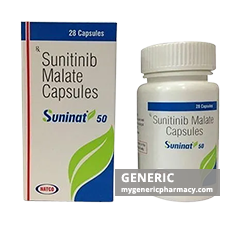
Buy Generic Sutent (Sunitinib) Online
Buy Most Prescribed Sunitinib – Now at 66% Discount.
About Generic Sutent® (Sunitinib)
Key Details
- Generic Sutent™ 50 mg for Cancer
- Buy online Generic Sutent™ 50mg (28 Pills), Sutent Cost, Price $450.80 at 66% Discount
- Effective in RCC and GIST
- Inhibits tumor angiogenesis
- Oral therapy
How Generic Sutent Works
Generic Sutent interferes with signaling pathways essential for cancer cell survival and angiogenesis. By blocking receptor tyrosine kinases, it reduces tumor vascular supply and growth.
It is particularly effective in tumors dependent on KIT and VEGF signaling, such as GIST and RCC. Its broad kinase inhibition provides sustained disease control.
Drug Info
SUNITINIB– ORAL (soo NI ti nib)
Common Brand Name(s): Sutent™
Other name brands for this medication
Nitnib, Rcnet, Tunib, Sunimaps, Sutykine, Healtinib, Mitant, Sunitibenz, Sutib, Sunixar
Uses of Sutent
Certain forms of cancer are treated with this drug (kidney, pancreas, and intestinal). Additionally, it is used to treat patients who have had kidney surgery and are at a high risk of their kidney cancer returning. Sunitinib inhibits or retards the growth of cancerous tumours. Additionally, it slows the development of new blood vessels inside the tumour.
Before Using Sutent
Before taking sunitinib, tell your doctor or pharmacist if you are allergic to it; or if you have any other allergies. This product may contain inactive ingredients, which can cause allergic reactions or other problems. Talk to your pharmacist for more details.
How to Use Sutent
Prior to beginning sunitinib therapy and each time you receive a refill, read the medication guide that your pharmacist has supplied. Ask your physician or pharmacist if you have any queries.
Take this medication by mouth once daily, generally with or without meal, as prescribed by your doctor. For some situations, you could be instructed to take this medication for a predetermined amount of time, then take a break from it. You can be instructed to take sunitinib continuously each day for different conditions. Carefully adhere to your doctor's directions.
Unless otherwise advised by your doctor, stay hydrated while taking this drug.
The dosage is determined by your medical history, treatment response, and any additional medications you may be taking. Inform your physician and pharmacist of all the products you consume (including prescription drugs, nonprescription drugs, and herbal products).
Without your doctor's approval, do not raise your dosage or take this drug more frequently. Your disease won't get better any faster, and there's a chance that you'll experience more severe side effects.
To reap the greatest benefits from this drug, use it frequently. Take it at the same time every day to aid in memory.
If you're taking this medication, stay away from grapefruit and grapefruit juice unless your doctor tells you differently. Certain drugs can circulate in your circulation more frequently if you eat grapefruit. For more information, speak with your doctor or pharmacist.
Side Effects of Sutent
It's possible to have fatigue, an upset stomach, nausea, vomiting, diarrhoea, a change in taste, dry/cracked/thickened skin, watering eyes, swelling around the eyes, and numbness/tingling in the limbs and legs. Drug therapy could be required in some situations to stop or stop nausea, vomiting, or diarrhoea. Limiting activity or eating frequent small meals may assist to mitigate some of these consequences. Inform your doctor or pharmacist right once if these side effects persist or worsen.
Changes in hair/skin colour and spotty or total hair loss are possible side effects of this medicine. These results are not negative. However, as changes in skin tone may potentially be an indication of a more serious condition, consult your doctor for additional information.
Keep in mind that your doctor has recommended this medication because they believe it will benefit you more than it will harm you. Many users of this medicine report no significant negative effects.
Inform your doctor right away if you experience any severe side effects, such as: a headache, rash or blisters on your hands, feet, or palms of your hands, sores or pain in your mouth, easy bruising or bleeding, a cold or heat sensitivity, pain, redness, or swelling in your arms or legs, bloody or black stools, vomit that resembles coffee grounds, coughing up blood, sluggish wound healing, jaw pain, toe or joint pain (such as decreased vision).
Your blood pressure may increase if you take this medication. Regularly check your blood pressure, and let your doctor know if the readings are excessive. Your doctor might prescribe medication to lower your blood pressure.
Sunitinib can occasionally cause negative effects since it quickly kills cancer cells (tumor lysis syndrome). Your doctor may prescribe an additional medication and advise you to drink plenty of fluids to reduce your risk. Inform your doctor straight away if you experience any symptoms, including muscle spasms or weakness, hazy, pink, or bloody urine, painful urination, or changes in the volume of urine.
Get medical attention right away if you experience any very serious side effects, such as difficulty breathing, discomfort in the left arm, jaw, or chest, sudden or severe back pain, difficulty speaking, weakness on one side of the body, fainting, fast or irregular heartbeat, or seizures.
Rarely, sunitinib has resulted in extremely significant (and perhaps fatal) skin responses. If you experience any major skin response symptoms, such as rash, hot/peeling/blistering/painful skin, or red/purple skin, seek medical attention right once.
The body's capacity to fight an infection may be decreased by this medicine. If you experience any infection-related symptoms, such as a persistent sore throat, a fever, or chills, call your doctor right immediately.
Rarely will this medication cause a very serious allergic reaction. However, if you experience any major adverse reaction symptoms, such as a rash, itching or swelling (particularly of the face, tongue, or throat), severe dizziness, or difficulty breathing, seek medical attention right away.
This is not a complete list of possible side effects. If you notice other effects not listed above, contact your doctor or pharmacist.
Precautions
Inform your doctor or pharmacist about your medical history before taking this medication, especially of: bleeding issues, heart issues (such as heart attacks), high blood pressure, liver issues, kidney problems, thyroid issues, diabetes, and blood vessel issues (such as an aneurysm or a tear or break in the aorta or other blood vessels).
A disease that affects the heart rhythm could be brought on by sunitinib (QT prolongation). Rarely, QT prolongation can result in fast/irregular heartbeat that is significant (rarely fatal) and other symptoms including acute dizziness and fainting that require immediate medical intervention.
If you take other medications or have certain medical problems that could raise your risk of QT prolongation, you should consult your doctor. The following conditions should be disclosed to your doctor or pharmacist before to using sunitinib: certain heart issues (heart failure, sluggish heartbeat, QT prolongation in the EKG), family history of certain heart problems (QT prolongation in the EKG, sudden cardiac death).
Your risk of QT prolongation may also increase if your blood contains too little potassium or magnesium. This risk could rise if you take specific medications (such diuretics or "water pills") or experience symptoms like excessive sweating, diarrhoea, or vomiting. Consult your doctor about the safe use of sunitinib.
Avoid contact with anyone who have recently gotten either the flu vaccine administered through the nose or the oral polio vaccine without your doctor's approval.
Use caution while using sharp things like safety razors or nail cutters, and stay away from contact sports to reduce your risk of becoming cut, bruised, or hurt.
In order to stop the transmission of illnesses, thoroughly wash your hands.
Serious jawbone issues may occur in some sunitinib users. Before you start taking this medication, your doctor should examine your mouth. Before getting any dental work done, disclose to your dentist that you are taking this medicine. Regular dental checkups and knowledge of proper oral hygiene practises can help prevent jawbone issues. Inform your dentist and doctor right away if you experience jaw pain.
Inform your doctor or dentist of all the products you consume before having any operation, including dental procedures (including prescription drugs, nonprescription drugs, and herbal products).
Wounds treated with this drug may heal slowly or inadequately. You might be instructed to temporarily cease taking this medicine by your doctor or dentist at least three weeks before to surgery or a dental procedure. For detailed advice on when to stop and continue using this medicine, speak with your doctor or dentist. If you have wounds that are not healing properly, let your doctor or dentist know straight away.
Elderly people might be more sensitive to this medication's adverse effects, particularly QT prolongation (see above).
If you are pregnant or want to become pregnant, let your doctor know. Pregnancy tests should be performed on female patients before taking this medicine. Sunitinib usage should be avoided if trying to conceive. Unborn children could be harmed by sunitinib. Female patients should inquire about effective birth control options both while taking this drug and for four weeks after stopping it. Male patients should discuss dependable birth control options with their female partners while taking this drug and for seven weeks after stopping it. Consult your doctor right away about the dangers and advantages of this drug if you or your partner becomes pregnant.
It is unclear whether this medication enters breast milk. Breastfeeding is not advised for 4 weeks following the last dose of this medication and while using it due to the potential harm to the baby. Before breastfeeding, speak with your doctor.
Drug Interactions
Drug interactions could alter how your medications function or raise the possibility of major negative side effects. All probable medication interactions are not included in this document. Keep a list of everything you use, including herbal products, prescription and over-the-counter medications, and provide it to your doctor and pharmacist. Without your doctor's approval, never start, stop, or change the dosage of any medications.
This medication may interact with bevacizumab and "blood thinners," among other products (anticoagulants such as warfarin, heparins).
In addition to sunitinib, many other medications, such as amiodarone, dofetilide, pimozide, procainamide, quinidine, sotalol, and macrolide antibiotics (such as erythromycin), among others, may influence the cardiac rhythm (QT prolongation). Inform your doctor or pharmacist of all medications you are presently taking before beginning sunitinib.
Other medications can affect the removal of sunitinib from your body, which may affect how sunitinib works. Examples include azole antifungals (such as ketoconazole, itraconazole), cimetidine, HIV protease inhibitors (such as ritonavir, saquinavir), macrolide antibiotics (such as erythromycin), rifamycins (such as rifampin, rifabutin), St. John's wort, certain drugs used to treat seizures (such as phenytoin, phenobarbital), among others.
Missed Dose
If you miss a dose, take it as soon as you remember. If it is near the time of the next dose, skip the missed dose and resume your usual dosing schedule. Do not double the dose to catch up.
Overdose
If overdose is suspected, contact a poison control center or emergency room immediately.
Storage
Store at room temperature away from light and moisture. Do not store in the bathroom. Keep all medications away from children and pets.
Cost of Sutent
The lowest MyGenericPharmacy.com price for the most common version of Sutent (Sunitinib) is around $16.10, 66% off the average online retailing price of $1352.40.
What is Sutent / Sunitinib?
Sutent is an oral targeted anticancer medication used to treat advanced renal cell carcinoma, gastrointestinal stromal tumors (GIST), and pancreatic neuroendocrine tumors. It inhibits tumor growth and angiogenesis.
How Does Sutent Work?
Sunitinib is a multitargeted tyrosine kinase inhibitor that blocks VEGFR, PDGFR, KIT, FLT3, and RET. This disrupts tumor cell proliferation and blood vessel formation.
Benefits of Sutent
- Effective in RCC and GIST
- Inhibits tumor angiogenesis
- Oral therapy
- Improves progression-free survival
- Multiple dosing strategies
Dosage & How to Use
- Taken orally once daily
- Typical dose (RCC/GIST): 50 mg once daily
- Given in 4 weeks on / 2 weeks off cycles
- Alternative dosing: 37.5 mg continuous
- Can be taken with or without food
Side Effects & Precautions
Common side effects may include:
- Fatigue
- Diarrhea
- Hypertension
- Hand–foot syndrome
- Stomatitis
Precautions:
- Monitor blood pressure regularly
- Assess cardiac function
- Monitor thyroid function
- Manage skin and GI toxicity early
Who Should Not Take Sutent
- Hypersensitivity to sunitinib
- Pregnancy and breastfeeding
- Uncontrolled hypertension
- Severe cardiac disease
Other Information of Sutent :
DO NOT SHARE THIS MEDICINE with others for whom it was not prescribed. DO NOT USE THIS MEDICINE for other health conditions. KEEP THIS MEDICINE out of the reach of children.
MISSPELLINGS OF SUTENT :
Sutten, Suten, Sutentt, Sutentx, Sutentte, Suttent, Sutenn, Sutentz, Sutennn, Sutennt, Suttent, Sutennt, Sutentxx, Sutentne, Sutant, Sunitinibb, Sunitinibe, Sunitinibx, Sunitinibb, Sunitnib, Sunitinib, Sunitnib, Sunitnibe, Sunitinibe, Sunitnibx, Sunitinibbe, Sunetinib, Sunitnibb, Sunitinibe, Suninitinib.
Buy Generic Sutent (Sunitinib) Online
Buy Most Prescribed Sunitinib – Now at 66% Discount.
About Generic Sutent® (Sunitinib)
Key Details
- Generic Sutent™ 50 mg for Cancer
- Buy online Generic Sutent™ 50mg (28 Pills), Sutent Cost, Price $450.80 at 66% Discount
- Effective in RCC and GIST
- Inhibits tumor angiogenesis
- Oral therapy
How Generic Sutent Works
Generic Sutent interferes with signaling pathways essential for cancer cell survival and angiogenesis. By blocking receptor tyrosine kinases, it reduces tumor vascular supply and growth.
It is particularly effective in tumors dependent on KIT and VEGF signaling, such as GIST and RCC. Its broad kinase inhibition provides sustained disease control.
Drug Info
SUNITINIB– ORAL (soo NI ti nib)
Common Brand Name(s): Sutent™
Other name brands for this medication
Nitnib, Rcnet, Tunib, Sunimaps, Sutykine, Healtinib, Mitant, Sunitibenz, Sutib, Sunixar
Uses of Sutent
Certain forms of cancer are treated with this drug (kidney, pancreas, and intestinal). Additionally, it is used to treat patients who have had kidney surgery and are at a high risk of their kidney cancer returning. Sunitinib inhibits or retards the growth of cancerous tumours. Additionally, it slows the development of new blood vessels inside the tumour.
Before Using Sutent
Before taking sunitinib, tell your doctor or pharmacist if you are allergic to it; or if you have any other allergies. This product may contain inactive ingredients, which can cause allergic reactions or other problems. Talk to your pharmacist for more details.
How to Use Sutent
Prior to beginning sunitinib therapy and each time you receive a refill, read the medication guide that your pharmacist has supplied. Ask your physician or pharmacist if you have any queries.
Take this medication by mouth once daily, generally with or without meal, as prescribed by your doctor. For some situations, you could be instructed to take this medication for a predetermined amount of time, then take a break from it. You can be instructed to take sunitinib continuously each day for different conditions. Carefully adhere to your doctor's directions.
Unless otherwise advised by your doctor, stay hydrated while taking this drug.
The dosage is determined by your medical history, treatment response, and any additional medications you may be taking. Inform your physician and pharmacist of all the products you consume (including prescription drugs, nonprescription drugs, and herbal products).
Without your doctor's approval, do not raise your dosage or take this drug more frequently. Your disease won't get better any faster, and there's a chance that you'll experience more severe side effects.
To reap the greatest benefits from this drug, use it frequently. Take it at the same time every day to aid in memory.
If you're taking this medication, stay away from grapefruit and grapefruit juice unless your doctor tells you differently. Certain drugs can circulate in your circulation more frequently if you eat grapefruit. For more information, speak with your doctor or pharmacist.
Side Effects of Sutent
It's possible to have fatigue, an upset stomach, nausea, vomiting, diarrhoea, a change in taste, dry/cracked/thickened skin, watering eyes, swelling around the eyes, and numbness/tingling in the limbs and legs. Drug therapy could be required in some situations to stop or stop nausea, vomiting, or diarrhoea. Limiting activity or eating frequent small meals may assist to mitigate some of these consequences. Inform your doctor or pharmacist right once if these side effects persist or worsen.
Changes in hair/skin colour and spotty or total hair loss are possible side effects of this medicine. These results are not negative. However, as changes in skin tone may potentially be an indication of a more serious condition, consult your doctor for additional information.
Keep in mind that your doctor has recommended this medication because they believe it will benefit you more than it will harm you. Many users of this medicine report no significant negative effects.
Inform your doctor right away if you experience any severe side effects, such as: a headache, rash or blisters on your hands, feet, or palms of your hands, sores or pain in your mouth, easy bruising or bleeding, a cold or heat sensitivity, pain, redness, or swelling in your arms or legs, bloody or black stools, vomit that resembles coffee grounds, coughing up blood, sluggish wound healing, jaw pain, toe or joint pain (such as decreased vision).
Your blood pressure may increase if you take this medication. Regularly check your blood pressure, and let your doctor know if the readings are excessive. Your doctor might prescribe medication to lower your blood pressure.
Sunitinib can occasionally cause negative effects since it quickly kills cancer cells (tumor lysis syndrome). Your doctor may prescribe an additional medication and advise you to drink plenty of fluids to reduce your risk. Inform your doctor straight away if you experience any symptoms, including muscle spasms or weakness, hazy, pink, or bloody urine, painful urination, or changes in the volume of urine.
Get medical attention right away if you experience any very serious side effects, such as difficulty breathing, discomfort in the left arm, jaw, or chest, sudden or severe back pain, difficulty speaking, weakness on one side of the body, fainting, fast or irregular heartbeat, or seizures.
Rarely, sunitinib has resulted in extremely significant (and perhaps fatal) skin responses. If you experience any major skin response symptoms, such as rash, hot/peeling/blistering/painful skin, or red/purple skin, seek medical attention right once.
The body's capacity to fight an infection may be decreased by this medicine. If you experience any infection-related symptoms, such as a persistent sore throat, a fever, or chills, call your doctor right immediately.
Rarely will this medication cause a very serious allergic reaction. However, if you experience any major adverse reaction symptoms, such as a rash, itching or swelling (particularly of the face, tongue, or throat), severe dizziness, or difficulty breathing, seek medical attention right away.
This is not a complete list of possible side effects. If you notice other effects not listed above, contact your doctor or pharmacist.
Precautions
Inform your doctor or pharmacist about your medical history before taking this medication, especially of: bleeding issues, heart issues (such as heart attacks), high blood pressure, liver issues, kidney problems, thyroid issues, diabetes, and blood vessel issues (such as an aneurysm or a tear or break in the aorta or other blood vessels).
A disease that affects the heart rhythm could be brought on by sunitinib (QT prolongation). Rarely, QT prolongation can result in fast/irregular heartbeat that is significant (rarely fatal) and other symptoms including acute dizziness and fainting that require immediate medical intervention.
If you take other medications or have certain medical problems that could raise your risk of QT prolongation, you should consult your doctor. The following conditions should be disclosed to your doctor or pharmacist before to using sunitinib: certain heart issues (heart failure, sluggish heartbeat, QT prolongation in the EKG), family history of certain heart problems (QT prolongation in the EKG, sudden cardiac death).
Your risk of QT prolongation may also increase if your blood contains too little potassium or magnesium. This risk could rise if you take specific medications (such diuretics or "water pills") or experience symptoms like excessive sweating, diarrhoea, or vomiting. Consult your doctor about the safe use of sunitinib.
Avoid contact with anyone who have recently gotten either the flu vaccine administered through the nose or the oral polio vaccine without your doctor's approval.
Use caution while using sharp things like safety razors or nail cutters, and stay away from contact sports to reduce your risk of becoming cut, bruised, or hurt.
In order to stop the transmission of illnesses, thoroughly wash your hands.
Serious jawbone issues may occur in some sunitinib users. Before you start taking this medication, your doctor should examine your mouth. Before getting any dental work done, disclose to your dentist that you are taking this medicine. Regular dental checkups and knowledge of proper oral hygiene practises can help prevent jawbone issues. Inform your dentist and doctor right away if you experience jaw pain.
Inform your doctor or dentist of all the products you consume before having any operation, including dental procedures (including prescription drugs, nonprescription drugs, and herbal products).
Wounds treated with this drug may heal slowly or inadequately. You might be instructed to temporarily cease taking this medicine by your doctor or dentist at least three weeks before to surgery or a dental procedure. For detailed advice on when to stop and continue using this medicine, speak with your doctor or dentist. If you have wounds that are not healing properly, let your doctor or dentist know straight away.
Elderly people might be more sensitive to this medication's adverse effects, particularly QT prolongation (see above).
If you are pregnant or want to become pregnant, let your doctor know. Pregnancy tests should be performed on female patients before taking this medicine. Sunitinib usage should be avoided if trying to conceive. Unborn children could be harmed by sunitinib. Female patients should inquire about effective birth control options both while taking this drug and for four weeks after stopping it. Male patients should discuss dependable birth control options with their female partners while taking this drug and for seven weeks after stopping it. Consult your doctor right away about the dangers and advantages of this drug if you or your partner becomes pregnant.
It is unclear whether this medication enters breast milk. Breastfeeding is not advised for 4 weeks following the last dose of this medication and while using it due to the potential harm to the baby. Before breastfeeding, speak with your doctor.
Drug Interactions
Drug interactions could alter how your medications function or raise the possibility of major negative side effects. All probable medication interactions are not included in this document. Keep a list of everything you use, including herbal products, prescription and over-the-counter medications, and provide it to your doctor and pharmacist. Without your doctor's approval, never start, stop, or change the dosage of any medications.
This medication may interact with bevacizumab and "blood thinners," among other products (anticoagulants such as warfarin, heparins).
In addition to sunitinib, many other medications, such as amiodarone, dofetilide, pimozide, procainamide, quinidine, sotalol, and macrolide antibiotics (such as erythromycin), among others, may influence the cardiac rhythm (QT prolongation). Inform your doctor or pharmacist of all medications you are presently taking before beginning sunitinib.
Other medications can affect the removal of sunitinib from your body, which may affect how sunitinib works. Examples include azole antifungals (such as ketoconazole, itraconazole), cimetidine, HIV protease inhibitors (such as ritonavir, saquinavir), macrolide antibiotics (such as erythromycin), rifamycins (such as rifampin, rifabutin), St. John's wort, certain drugs used to treat seizures (such as phenytoin, phenobarbital), among others.
Missed Dose
If you miss a dose, take it as soon as you remember. If it is near the time of the next dose, skip the missed dose and resume your usual dosing schedule. Do not double the dose to catch up.
Overdose
If overdose is suspected, contact a poison control center or emergency room immediately.
Storage
Store at room temperature away from light and moisture. Do not store in the bathroom. Keep all medications away from children and pets.
Cost of Sutent
The lowest MyGenericPharmacy.com price for the most common version of Sutent (Sunitinib) is around $16.10, 66% off the average online retailing price of $1352.40.
What is Sutent / Sunitinib?
Sutent is an oral targeted anticancer medication used to treat advanced renal cell carcinoma, gastrointestinal stromal tumors (GIST), and pancreatic neuroendocrine tumors. It inhibits tumor growth and angiogenesis.
How Does Sutent Work?
Sunitinib is a multitargeted tyrosine kinase inhibitor that blocks VEGFR, PDGFR, KIT, FLT3, and RET. This disrupts tumor cell proliferation and blood vessel formation.
Benefits of Sutent
- Effective in RCC and GIST
- Inhibits tumor angiogenesis
- Oral therapy
- Improves progression-free survival
- Multiple dosing strategies
Dosage & How to Use
- Taken orally once daily
- Typical dose (RCC/GIST): 50 mg once daily
- Given in 4 weeks on / 2 weeks off cycles
- Alternative dosing: 37.5 mg continuous
- Can be taken with or without food
Side Effects & Precautions
Common side effects may include:
- Fatigue
- Diarrhea
- Hypertension
- Hand–foot syndrome
- Stomatitis
Precautions:
- Monitor blood pressure regularly
- Assess cardiac function
- Monitor thyroid function
- Manage skin and GI toxicity early
Who Should Not Take Sutent
- Hypersensitivity to sunitinib
- Pregnancy and breastfeeding
- Uncontrolled hypertension
- Severe cardiac disease
Other Information of Sutent :
DO NOT SHARE THIS MEDICINE with others for whom it was not prescribed. DO NOT USE THIS MEDICINE for other health conditions. KEEP THIS MEDICINE out of the reach of children.
MISSPELLINGS OF SUTENT :
Sutten, Suten, Sutentt, Sutentx, Sutentte, Suttent, Sutenn, Sutentz, Sutennn, Sutennt, Suttent, Sutennt, Sutentxx, Sutentne, Sutant, Sunitinibb, Sunitinibe, Sunitinibx, Sunitinibb, Sunitnib, Sunitinib, Sunitnib, Sunitnibe, Sunitinibe, Sunitnibx, Sunitinibbe, Sunetinib, Sunitnibb, Sunitinibe, Suninitinib.