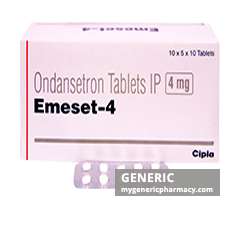
Buy Generic Zofran (Ondansetron) Online
Buy Most Prescribed Ondansetron – Now at 89% Discount.
About Generic Zofran® (Ondansetron)
Key Details
- Generic Zofran™ 4 mg for Cancer
- Buy online Generic Zofran™ 4mg (30 Pills), Zofran Cost, Price $20.40 at 89% Discount
- Effective for chemotherapy-induced nausea and vomiting
- Useful for postoperative nausea and vomiting
- Minimal sedation
How Generic Zofran Works
Generic Zofran prevents nausea by blocking serotonin released from enterochromaffin cells in the gut during chemotherapy or surgery. This stops stimulation of vagal afferent nerves that trigger vomiting.
It also acts centrally at the chemoreceptor trigger zone and vomiting center. This dual action makes ondansetron highly effective with minimal sedation.
Drug Info
ONDANSETRON– ORAL (on DAN seh tron)
Common Brand Name(s): Zofran™
Other name brands for this medication
Zofran ODT, Zuplenz, Ondem, Vomikind, Emeset, Periset, Zofer, Emigo, Ondamac, Ontic
Uses of Zofran
This medication is used alone or with other medications to prevent nausea and vomiting caused by cancer drug treatment (chemotherapy) and radiation therapy. It is also used to prevent and treat nausea and vomiting after surgery. It works by blocking one of the body's natural substances (serotonin) that causes vomiting.
Before Using Zofran
Before taking ondansetron, tell your doctor or pharmacist if you are allergic to it; or to other serotonin blockers (e.g., granisetron); or if you have any other allergies. This product may contain inactive ingredients, which can cause allergic reactions or other problems. Talk to your pharmacist for more details.
How to Use Zofran
To prevent nausea from chemotherapy, take this medication by mouth usually within 30 minutes before treatment begins. To prevent nausea from radiation treatment, take this medication by mouth 1 to 2 hours before the start of your treatment. To prevent nausea after surgery, take ondansetron by mouth 1 hour before the start of surgery. This medication may be taken with or without food. However, your doctor may tell you not to eat before chemotherapy, radiation, or surgery. If you are using the liquid form of this medication, use a special measuring spoon or device to measure out your prescribed dose. Do not use a household spoon because you may not get the correct dose.
Take any other doses as directed by your doctor. Ondansetron may be taken up to 3 times a day for 1 to 2 days after your chemotherapy or radiation treatment is finished. If you are taking this medication on a prescribed schedule, take it regularly in order to get the most benefit from it. To help you remember, take it at the same times each day.
Dosage is based on your medical condition and response to therapy. The dosage for children may also be based on age and weight. The usual maximum dose in patients with severe liver problems is 8 milligrams in 24 hours. Take this medication exactly as directed. Do not take more medication or take it more often than prescribed. Ask your doctor or pharmacist if you have questions. Inform your doctor if your condition does not improve or if it worsens.
Side Effects of Zofran
Headache, lightheadedness, dizziness, drowsiness, tiredness, or constipation may occur. If these effects persist or worsen, notify your doctor promptly. Remember that your doctor has prescribed this medication because he or she has judged that the benefit to you is greater than the risk of side effects. Many people using this medication do not have serious side effects.
Tell your doctor immediately if any of these unlikely but serious side effects occur: stomach pain, muscle spasm/stiffness, vision changes (e.g., temporary loss of vision, blurred vision). Get medical help right away if any of these rare but very serious side effects occur: chest pain, slow/fast/irregular heartbeat, severe dizziness, fainting.
This medication may increase serotonin and rarely cause a very serious condition called serotonin syndrome/toxicity. The risk increases if you are also taking other drugs that increase serotonin, so tell your doctor or pharmacist of all the drugs you take (see Drug Interactions section). Get medical help right away if you develop some of the following symptoms: fast heartbeat, hallucinations, loss of coordination, severe dizziness, severe nausea/vomiting/diarrhea, twitching muscles, unexplained fever, unusual agitation/restlessness.
A very serious allergic reaction to this drug is unlikely, but stop taking this medication and seek immediate medical attention if it occurs. Symptoms of a serious allergic reaction include: rash, itching/swelling (especially of the face/tongue/throat), severe dizziness, trouble breathing. This is not a complete list of possible side effects. If you notice other effects not listed above, contact your doctor or pharmacist.
Precautions
Before using this medication, tell your doctor or pharmacist your medical history, especially of: irregular heartbeat, liver disease, stomach/intestinal problems (e.g., recent abdominal surgery, ileus, swelling). Ondansetron may cause a condition that affects the heart rhythm (QT prolongation). QT prolongation can infrequently result in serious (rarely fatal) fast/irregular heartbeat and other symptoms (such as severe dizziness, fainting) that need medical attention right away.
The risk of QT prolongation may be increased if you have certain medical conditions or are taking other drugs that may cause QT prolongation. Before using ondansetron, tell your doctor or pharmacist of all the drugs you take and if you have any of the following conditions: certain heart problems (heart failure, slow heartbeat, QT prolongation in the EKG), family history of certain heart problems (QT prolongation in the EKG, sudden cardiac death).
Low levels of potassium or magnesium in the blood may also increase your risk of QT prolongation. This risk may increase if you use certain drugs (such as diuretics/"water pills") or if you have conditions such as severe sweating, diarrhea, or vomiting. Talk to your doctor about using ondansetron safely. This drug may make you dizzy or drowsy. Do not drive, use machinery, or do any activity that requires alertness until you are sure you can perform such activities safely. Limit alcoholic beverages.
To minimize dizziness and lightheadedness, get up slowly when rising from a sitting or lying position. Older adults may be more sensitive to the side effects of this drug, especially QT prolongation (see above). This medication should be used only when clearly needed during pregnancy. Discuss the risks and benefits with your doctor. It is not known whether this drug passes into breast milk. Consult your doctor before breast-feeding.
Drug Interactions
Your healthcare professionals (e.g., doctor or pharmacist) may already be aware of any possible drug interactions and may be monitoring you for them. Do not start, stop or change the dosage of any medicine before checking with them first.
This drug should not be used with the following medication because a very serious interaction may occur: apomorphine. If you are currently using the medication listed above, tell your doctor or pharmacist before starting ondansetron. Before using this medication, tell your doctor of all nonprescription and prescription medication you may use, especially of: tramadol. Ask your doctor or pharmacist for more details.
Many drugs besides ondansetron may affect the heart rhythm (QT prolongation), including dofetilide, pimozide, procainamide, amiodarone, quinidine, sotalol, macrolide antibiotics (such as erythromycin), among others. Therefore, before using ondansetron, report all medications you are currently using to your doctor or pharmacist.
The risk of serotonin syndrome/toxicity increases if you are also taking other drugs that increase serotonin. Examples include street drugs such as MDMA/"ecstasy," St. John's wort, certain antidepressants (including SSRIs such as fluoxetine/paroxetine, SNRIs such as duloxetine/venlafaxine), among others. The risk of serotonin syndrome/toxicity may be more likely when you start or increase the dose of these drugs.
This document does not contain all possible interactions. Therefore, before using this product, tell your doctor or pharmacist of all the products you use. Keep a list of all your medications with you, and share the list with your doctor and pharmacist.
Missed Dose
If you miss a dose, take it as soon as you remember. If it is near the time of the next dose, skip the missed dose and resume your usual dosing schedule. Do not double the dose to catch up.
Overdose
If overdose is suspected, contact a poison control center or emergency room immediately.
Storage
Store at room temperature away from light and moisture. Do not store in the bathroom. Keep all medications away from children and pets.
Cost of Zofran
The lowest MyGenericPharmacy.com price for the most common version of Zofran (Ondansetron) is around $0.68, 89% off the average online retailing price of $194.10.
What is Zofran / Ondansetron?
Zofran is a selective serotonin antagonist used to prevent and treat nausea and vomiting caused by chemotherapy, radiotherapy, and surgery. It is widely used for both acute and delayed nausea.
How Does Zofran Work?
Ondansetron blocks 5-HT₃ (serotonin) receptors in the gastrointestinal tract and central nervous system. This prevents serotonin-mediated activation of the vomiting reflex.
Benefits of Zofran
- Effective for chemotherapy-induced nausea and vomiting
- Useful for postoperative nausea and vomiting
- Minimal sedation
- Well tolerated
- Safe for short-term use
Dosage & How to Use
- Taken orally, IV, or IM
- Oral dose: 4–8 mg every 8–12 hours
- IV dose: 4 mg slowly before chemotherapy or surgery
- Can be taken with or without food
- Dose adjustment in severe hepatic impairment
Side Effects & Precautions
Common side effects may include:
- Headache
- Constipation
- Dizziness
- Fatigue
Precautions:
- Monitor ECG in high-risk patients
- Avoid combining with other QT-prolonging drugs
- Use caution with serotonergic medications
- Adjust dose in hepatic impairment
Who Should Not Take Zofran
- Hypersensitivity to ondansetron
- Congenital long QT syndrome
- Concomitant use of apomorphine
- Severe hepatic impairment (dose limits apply)
Other Information of Zofran :
DO NOT SHARE THIS MEDICINE with others for whom it was not prescribed. DO NOT USE THIS MEDICINE for other health conditions. KEEP THIS MEDICINE out of the reach of children. IF USING THIS MEDICINE FOR AN EXTENDED PERIOD OF TIME, obtain refills before your supply runs out.
MISSPELLINGS OF ZOFRAN :
Zofram, Zofranx, Zofranne, Zofranne, Zofranr, Zofranm, Zofranl, Zofranv, Zofranz, Zofrann, Zofranp, Zofrannx, Zofren, Zofraan, Zofrenx, Zofrannz, Zofraan,
Zoffran, Zofranne, Zofron, Zofrahn, Zofranh, Ondansitron, Ondansetronn, Ondansetrone, Ondansetrin, Ondansetronx, Ondansetronne, Ondansetronee, Ondanstetron, Ondansetronz, Ondansetronez, Ondansitone, Ondansettron, Ondanseton, Ondansetroan, Ondanstron, Ondansetrone, Ondansatron,
Ondansetronn, Ondasentrone, Ondasenton, Ondansitron, Ondansitronn,
Ondansotron, Ondansetrone.
Buy Generic Zofran (Ondansetron) Online
Buy Most Prescribed Ondansetron – Now at 89% Discount.
About Generic Zofran® (Ondansetron)
Key Details
- Generic Zofran™ 4 mg for Cancer
- Buy online Generic Zofran™ 4mg (30 Pills), Zofran Cost, Price $20.40 at 89% Discount
- Effective for chemotherapy-induced nausea and vomiting
- Useful for postoperative nausea and vomiting
- Minimal sedation
How Generic Zofran Works
Generic Zofran prevents nausea by blocking serotonin released from enterochromaffin cells in the gut during chemotherapy or surgery. This stops stimulation of vagal afferent nerves that trigger vomiting.
It also acts centrally at the chemoreceptor trigger zone and vomiting center. This dual action makes ondansetron highly effective with minimal sedation.
Drug Info
ONDANSETRON– ORAL (on DAN seh tron)
Common Brand Name(s): Zofran™
Other name brands for this medication
Zofran ODT, Zuplenz, Ondem, Vomikind, Emeset, Periset, Zofer, Emigo, Ondamac, Ontic
Uses of Zofran
This medication is used alone or with other medications to prevent nausea and vomiting caused by cancer drug treatment (chemotherapy) and radiation therapy. It is also used to prevent and treat nausea and vomiting after surgery. It works by blocking one of the body's natural substances (serotonin) that causes vomiting.
Before Using Zofran
Before taking ondansetron, tell your doctor or pharmacist if you are allergic to it; or to other serotonin blockers (e.g., granisetron); or if you have any other allergies. This product may contain inactive ingredients, which can cause allergic reactions or other problems. Talk to your pharmacist for more details.
How to Use Zofran
To prevent nausea from chemotherapy, take this medication by mouth usually within 30 minutes before treatment begins. To prevent nausea from radiation treatment, take this medication by mouth 1 to 2 hours before the start of your treatment. To prevent nausea after surgery, take ondansetron by mouth 1 hour before the start of surgery. This medication may be taken with or without food. However, your doctor may tell you not to eat before chemotherapy, radiation, or surgery. If you are using the liquid form of this medication, use a special measuring spoon or device to measure out your prescribed dose. Do not use a household spoon because you may not get the correct dose.
Take any other doses as directed by your doctor. Ondansetron may be taken up to 3 times a day for 1 to 2 days after your chemotherapy or radiation treatment is finished. If you are taking this medication on a prescribed schedule, take it regularly in order to get the most benefit from it. To help you remember, take it at the same times each day.
Dosage is based on your medical condition and response to therapy. The dosage for children may also be based on age and weight. The usual maximum dose in patients with severe liver problems is 8 milligrams in 24 hours. Take this medication exactly as directed. Do not take more medication or take it more often than prescribed. Ask your doctor or pharmacist if you have questions. Inform your doctor if your condition does not improve or if it worsens.
Side Effects of Zofran
Headache, lightheadedness, dizziness, drowsiness, tiredness, or constipation may occur. If these effects persist or worsen, notify your doctor promptly. Remember that your doctor has prescribed this medication because he or she has judged that the benefit to you is greater than the risk of side effects. Many people using this medication do not have serious side effects.
Tell your doctor immediately if any of these unlikely but serious side effects occur: stomach pain, muscle spasm/stiffness, vision changes (e.g., temporary loss of vision, blurred vision). Get medical help right away if any of these rare but very serious side effects occur: chest pain, slow/fast/irregular heartbeat, severe dizziness, fainting.
This medication may increase serotonin and rarely cause a very serious condition called serotonin syndrome/toxicity. The risk increases if you are also taking other drugs that increase serotonin, so tell your doctor or pharmacist of all the drugs you take (see Drug Interactions section). Get medical help right away if you develop some of the following symptoms: fast heartbeat, hallucinations, loss of coordination, severe dizziness, severe nausea/vomiting/diarrhea, twitching muscles, unexplained fever, unusual agitation/restlessness.
A very serious allergic reaction to this drug is unlikely, but stop taking this medication and seek immediate medical attention if it occurs. Symptoms of a serious allergic reaction include: rash, itching/swelling (especially of the face/tongue/throat), severe dizziness, trouble breathing. This is not a complete list of possible side effects. If you notice other effects not listed above, contact your doctor or pharmacist.
Precautions
Before using this medication, tell your doctor or pharmacist your medical history, especially of: irregular heartbeat, liver disease, stomach/intestinal problems (e.g., recent abdominal surgery, ileus, swelling). Ondansetron may cause a condition that affects the heart rhythm (QT prolongation). QT prolongation can infrequently result in serious (rarely fatal) fast/irregular heartbeat and other symptoms (such as severe dizziness, fainting) that need medical attention right away.
The risk of QT prolongation may be increased if you have certain medical conditions or are taking other drugs that may cause QT prolongation. Before using ondansetron, tell your doctor or pharmacist of all the drugs you take and if you have any of the following conditions: certain heart problems (heart failure, slow heartbeat, QT prolongation in the EKG), family history of certain heart problems (QT prolongation in the EKG, sudden cardiac death).
Low levels of potassium or magnesium in the blood may also increase your risk of QT prolongation. This risk may increase if you use certain drugs (such as diuretics/"water pills") or if you have conditions such as severe sweating, diarrhea, or vomiting. Talk to your doctor about using ondansetron safely. This drug may make you dizzy or drowsy. Do not drive, use machinery, or do any activity that requires alertness until you are sure you can perform such activities safely. Limit alcoholic beverages.
To minimize dizziness and lightheadedness, get up slowly when rising from a sitting or lying position. Older adults may be more sensitive to the side effects of this drug, especially QT prolongation (see above). This medication should be used only when clearly needed during pregnancy. Discuss the risks and benefits with your doctor. It is not known whether this drug passes into breast milk. Consult your doctor before breast-feeding.
Drug Interactions
Your healthcare professionals (e.g., doctor or pharmacist) may already be aware of any possible drug interactions and may be monitoring you for them. Do not start, stop or change the dosage of any medicine before checking with them first.
This drug should not be used with the following medication because a very serious interaction may occur: apomorphine. If you are currently using the medication listed above, tell your doctor or pharmacist before starting ondansetron. Before using this medication, tell your doctor of all nonprescription and prescription medication you may use, especially of: tramadol. Ask your doctor or pharmacist for more details.
Many drugs besides ondansetron may affect the heart rhythm (QT prolongation), including dofetilide, pimozide, procainamide, amiodarone, quinidine, sotalol, macrolide antibiotics (such as erythromycin), among others. Therefore, before using ondansetron, report all medications you are currently using to your doctor or pharmacist.
The risk of serotonin syndrome/toxicity increases if you are also taking other drugs that increase serotonin. Examples include street drugs such as MDMA/"ecstasy," St. John's wort, certain antidepressants (including SSRIs such as fluoxetine/paroxetine, SNRIs such as duloxetine/venlafaxine), among others. The risk of serotonin syndrome/toxicity may be more likely when you start or increase the dose of these drugs.
This document does not contain all possible interactions. Therefore, before using this product, tell your doctor or pharmacist of all the products you use. Keep a list of all your medications with you, and share the list with your doctor and pharmacist.
Missed Dose
If you miss a dose, take it as soon as you remember. If it is near the time of the next dose, skip the missed dose and resume your usual dosing schedule. Do not double the dose to catch up.
Overdose
If overdose is suspected, contact a poison control center or emergency room immediately.
Storage
Store at room temperature away from light and moisture. Do not store in the bathroom. Keep all medications away from children and pets.
Cost of Zofran
The lowest MyGenericPharmacy.com price for the most common version of Zofran (Ondansetron) is around $0.68, 89% off the average online retailing price of $194.10.
What is Zofran / Ondansetron?
Zofran is a selective serotonin antagonist used to prevent and treat nausea and vomiting caused by chemotherapy, radiotherapy, and surgery. It is widely used for both acute and delayed nausea.
How Does Zofran Work?
Ondansetron blocks 5-HT₃ (serotonin) receptors in the gastrointestinal tract and central nervous system. This prevents serotonin-mediated activation of the vomiting reflex.
Benefits of Zofran
- Effective for chemotherapy-induced nausea and vomiting
- Useful for postoperative nausea and vomiting
- Minimal sedation
- Well tolerated
- Safe for short-term use
Dosage & How to Use
- Taken orally, IV, or IM
- Oral dose: 4–8 mg every 8–12 hours
- IV dose: 4 mg slowly before chemotherapy or surgery
- Can be taken with or without food
- Dose adjustment in severe hepatic impairment
Side Effects & Precautions
Common side effects may include:
- Headache
- Constipation
- Dizziness
- Fatigue
Precautions:
- Monitor ECG in high-risk patients
- Avoid combining with other QT-prolonging drugs
- Use caution with serotonergic medications
- Adjust dose in hepatic impairment
Who Should Not Take Zofran
- Hypersensitivity to ondansetron
- Congenital long QT syndrome
- Concomitant use of apomorphine
- Severe hepatic impairment (dose limits apply)
Other Information of Zofran :
DO NOT SHARE THIS MEDICINE with others for whom it was not prescribed. DO NOT USE THIS MEDICINE for other health conditions. KEEP THIS MEDICINE out of the reach of children. IF USING THIS MEDICINE FOR AN EXTENDED PERIOD OF TIME, obtain refills before your supply runs out.
MISSPELLINGS OF ZOFRAN :
Zofram, Zofranx, Zofranne, Zofranne, Zofranr, Zofranm, Zofranl, Zofranv, Zofranz, Zofrann, Zofranp, Zofrannx, Zofren, Zofraan, Zofrenx, Zofrannz, Zofraan,
Zoffran, Zofranne, Zofron, Zofrahn, Zofranh, Ondansitron, Ondansetronn, Ondansetrone, Ondansetrin, Ondansetronx, Ondansetronne, Ondansetronee, Ondanstetron, Ondansetronz, Ondansetronez, Ondansitone, Ondansettron, Ondanseton, Ondansetroan, Ondanstron, Ondansetrone, Ondansatron,
Ondansetronn, Ondasentrone, Ondasenton, Ondansitron, Ondansitronn,
Ondansotron, Ondansetrone.