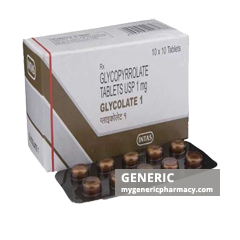
Buy Generic Cuvposa (Glycopyrrolate) Online
Buy Most Prescribed Glycopyrrolate – Now at 51% Discount.
About Generic Cuvposa® (Glycopyrrolate)
Key Details
- Generic Cuvposa™ 1 mg for Muscle Relaxants
- Buy online Generic Cuvposa™ 1mg (30 Pills), Cuvposa Cost, Price $21.00 at 51% Discount
- Reduces chronic drooling
- Improves oral hygiene and comfort
- Decreases skin irritation and infections
How Generic Cuvposa Works
Generic Cuvposa reduces excessive salivation by inhibiting parasympathetic stimulation of the salivary glands. Because glycopyrrolate poorly crosses the blood–brain barrier, it causes fewer CNS side effects than other anticholinergics.
With consistent dosing, Cuvposa improves comfort, speech, skin integrity, and quality of life in patients with neurologic drooling. Dose titration helps balance effectiveness with tolerability.
Drug Info
GLYCOPYRROLATE – ORAL (glye koe PYE roe late)
Common Brand Name(s): Cuvposa™
Other name brands for this medication
Robinul, Cuvposa, Robinul Forte, Seebri Neohaler, Lonhala Magnair, Dartisla ODT, Glycate, Glyrx-PF, Airz Glycolate, Pyrolate, Gcolate, Pyrolin, Lycolate, Glynium
Uses of Cuvposa
Medical diseases that induce excessive drooling can be treated with glycopyrrolate solution (such as cerebral palsy). Your production of saliva is reduced as a result of this medicine. Glycopyrrolate is a member of the anticholinergic drug subclass of medications.
Before Using Cuvposa
Before taking glycopyrrolate, tell your doctor or pharmacist if you are allergic to it; or if you have any other allergies. This product may contain inactive ingredients, which can cause allergic reactions or other problems. Talk to your pharmacist for more details.
How to Use Cuvposa
Before starting to take glycopyrrolate and each time you get a refill, read the Patient and Caregiver Information Leaflet, if one is provided by your pharmacist. Ask your physician or pharmacist if you have any queries.
Take this drug by mouth, often three times daily, as prescribed by your doctor. Take it empty-handed, at least an hour or two before or after eating. Utilize a professional measuring tool or spoon to precisely measure the dosage. Avoid using a regular spoon because you could not get the right dosage.
Your medical condition and treatment response will determine your dosage. The dosage for children is also determined by weight. Your doctor might advise you to begin taking this medicine at a low dose and gradually raise it in order to lower the chance of side effects. Carefully adhere to your doctor's directions.
Without your doctor's approval, do not raise the dosage or take this medication more frequently. Your condition won't get better any faster, and your chance of experiencing negative effects will rise.
If your disease doesn't get better or gets worse, let your doctor know.
Side Effects of Cuvposa
It's possible to experience constipation, dry mouth, stuffy nose, drowsiness, dizziness, and blurred vision. Inform your doctor or pharmacist as soon as possible if any of these side effects persist or get worse.
Consume dietary fibre, get adequate water, and exercise to avoid constipation. You might also require a laxative. Find out which kind of laxative is best for you by asking your pharmacist.
Keep in mind that your doctor has recommended this medication because they believe it will benefit you more than it will harm you. Many users of this medicine report no significant negative effects.
Any serious side effects, such as stomach/abdominal bloating or pain, persistent constipation, persistent nausea, vomiting, or diarrhoea, decreased sweating, dry/hot/flushed skin, a fast or irregular heartbeat, mental/mood changes (such as confusion, hallucinations, agitation, nervousness, or unusual excitement), or difficulty urinating or inability to urinate, should be reported to your doctor right away.
If you have any very serious adverse effects, such as eye pain, edoema, or redness, or if your vision changes, seek medical attention right away (such as seeing rainbows around lights at night).
Rarely will this medication cause a very serious allergic reaction. However, if you experience any major adverse reaction symptoms, such as a rash, itching or swelling (particularly of the face, tongue, or throat), severe dizziness, or difficulty breathing, seek medical attention right away.
The list of potential negative effects is not exhaustive. Contact your doctor or pharmacist if you have any other side effects not covered above
Precautions
Tell your doctor or pharmacist about all of your medical conditions before taking this medication, especially glaucoma (angle-closure type), problems urinating (such as a blocked urinary tract or a significantly enlarged prostate), stomach/intestinal issues (such as chronic constipation, a slow gut, an infection or blockage in the intestines, ulcerative colitis), myasthenia gravis, and kidney issues.
This medicine may cause you to feel groggy, sleepy, or have blurred vision. You may become more woozy or sleepy after consuming alcohol or marijuana (cannabis). Until you can do something safely, avoid using machinery, driving, or doing anything else that requires attentiveness or sharp vision. Limit your alcohol consumption. Consult your physician if you use marijuana (cannabis).
You can stop sweating as a result of this medicine, increasing your risk of heat stroke. Avoid engaging in activities that could make you overheat, such as strenuous exercise in warm weather or hot tub use. When it's hot outside, stay hydrated and wear loose clothing. Find a cool location to rest and cool off right away if you start to get too hot. If you experience a fever that won't go away, mental or mood changes, a headache, or dizziness, seek medical attention immediately once.
Inform your surgeon or dentist of all the products you use prior to surgery (including prescription drugs, nonprescription drugs, and herbal products).
The adverse effects of this medication, particularly drowsiness, disorientation, unexpected excitation, constipation, and urinary issues, may be more noticeable in older persons.
This drug should only be taken during pregnancy if absolutely necessary. Describe the advantages and disadvantages to your doctor.
It is unclear whether this medication enters breast milk. Before breastfeeding, speak with your doctor.
Drug Interactions
Drug interactions could alter how your medications function or raise the possibility of major negative side effects. All probable medication interactions are not included in this document. Keep a list of everything you use, including herbal products, prescription and over-the-counter medications, and provide it to your doctor and pharmacist. Without your doctor's approval, never start, stop, or change the dosage of any medications.
Pramlintide and tablets or capsules containing potassium chloride are a few of products that may interact with this medication.
Missed Dose
If you miss a dose, take it as soon as you remember. If it is near the time of the next dose, skip the missed dose and resume your usual dosing schedule. Do not double the dose to catch up.
Overdose
If overdose is suspected, contact a poison control center or emergency room immediately.
Storage
Store at room temperature away from light and moisture. Do not store in the bathroom. Keep all medications away from children and pets.
Cost of Cuvposa
The lowest MyGenericPharmacy.com price for the most common version of Cuvposa (Glycopyrrolate) is around $0.70, 51% off the average online retailing price of $43.50.
What is Cuvposa / Glycopyrrolate?
Cuvposa is an anticholinergic medication used to treat chronic severe drooling (sialorrhea) in children aged 3–16 years with neurological conditions such as cerebral palsy. It reduces excessive saliva production.
How Does Cuvposa Work?
Glycopyrrolate works by blocking muscarinic acetylcholine receptors in salivary glands. This decreases saliva secretion without significant central nervous system penetration.
Benefits of Cuvposa
- Reduces chronic drooling
- Improves oral hygiene and comfort
- Decreases skin irritation and infections
- Liquid form suitable for children
- Minimal CNS effects
Dosage & How to Use
- Taken orally as a liquid solution
- Initial dose: 0.02 mg/kg three times daily
- Dose may be increased gradually
- Maximum dose based on body weight
- Give 1 hour before or 2 hours after meals
- Measure dose accurately
Side Effects & Precautions
Common side effects may include:
- Dry mouth
- Constipation
- Flushing
- Nasal congestion
- Decreased sweating
Precautions:
- Ensure adequate hydration
- Avoid overheating
- Use caution in kidney disease
- Monitor bowel and urinary function
Who Should Not Take Cuvposa
- Allergy to glycopyrrolate
- Glaucoma
- Urinary retention
- Severe gastrointestinal obstruction
- Myasthenia gravis
Additional information for Cuvposa :
DO NOT SHARE THIS MEDICINE with others for whom it was not prescribed. DO NOT USE THIS MEDICINE for other health conditions. KEEP THIS MEDICINE out of the reach of children. IF YOU WILL BE TAKING THIS MEDICINE FOR AN EXTENDED PERIOD OF TIME, be sure to obtain necessary refills before your supply runs out.
MISSPELLINGS OF CUVPOSA :
cuvposa, cuvpossa, cuvposa, cuvpsa, cuvposa, cuvpoza, cuvposaa, cuvpossa, cuvposaa, cuvpsosa, cuvposza, cuvposaex, cuvposas, Kuvposa, Cuvpasa,
Kuvpasa, Cuvpusa, Cuvposa, Kuvpasa, glycopyrrolate, glycopyrolate, glycopyrrolate, glycopyrrolate, glycopryrolate, glycopyrrolate, glycoprrolate, glycopyrllate, glycopyrllate, glycopyrrolatte, glycopryllate, glycoprrolatte, glycopyrrolat, Glycopirolate, Glycopirrolate, Glycopyrulate, Glycopyrrolat,
Glycopyerrolate, Glycopyrrolet, Glycopyrrolette.
Buy Generic Cuvposa (Glycopyrrolate) Online
Buy Most Prescribed Glycopyrrolate – Now at 51% Discount.
About Generic Cuvposa® (Glycopyrrolate)
Key Details
- Generic Cuvposa™ 1 mg for Muscle Relaxants
- Buy online Generic Cuvposa™ 1mg (30 Pills), Cuvposa Cost, Price $21.00 at 51% Discount
- Reduces chronic drooling
- Improves oral hygiene and comfort
- Decreases skin irritation and infections
How Generic Cuvposa Works
Generic Cuvposa reduces excessive salivation by inhibiting parasympathetic stimulation of the salivary glands. Because glycopyrrolate poorly crosses the blood–brain barrier, it causes fewer CNS side effects than other anticholinergics.
With consistent dosing, Cuvposa improves comfort, speech, skin integrity, and quality of life in patients with neurologic drooling. Dose titration helps balance effectiveness with tolerability.
Drug Info
GLYCOPYRROLATE – ORAL (glye koe PYE roe late)
Common Brand Name(s): Cuvposa™
Other name brands for this medication
Robinul, Cuvposa, Robinul Forte, Seebri Neohaler, Lonhala Magnair, Dartisla ODT, Glycate, Glyrx-PF, Airz Glycolate, Pyrolate, Gcolate, Pyrolin, Lycolate, Glynium
Uses of Cuvposa
Medical diseases that induce excessive drooling can be treated with glycopyrrolate solution (such as cerebral palsy). Your production of saliva is reduced as a result of this medicine. Glycopyrrolate is a member of the anticholinergic drug subclass of medications.
Before Using Cuvposa
Before taking glycopyrrolate, tell your doctor or pharmacist if you are allergic to it; or if you have any other allergies. This product may contain inactive ingredients, which can cause allergic reactions or other problems. Talk to your pharmacist for more details.
How to Use Cuvposa
Before starting to take glycopyrrolate and each time you get a refill, read the Patient and Caregiver Information Leaflet, if one is provided by your pharmacist. Ask your physician or pharmacist if you have any queries.
Take this drug by mouth, often three times daily, as prescribed by your doctor. Take it empty-handed, at least an hour or two before or after eating. Utilize a professional measuring tool or spoon to precisely measure the dosage. Avoid using a regular spoon because you could not get the right dosage.
Your medical condition and treatment response will determine your dosage. The dosage for children is also determined by weight. Your doctor might advise you to begin taking this medicine at a low dose and gradually raise it in order to lower the chance of side effects. Carefully adhere to your doctor's directions.
Without your doctor's approval, do not raise the dosage or take this medication more frequently. Your condition won't get better any faster, and your chance of experiencing negative effects will rise.
If your disease doesn't get better or gets worse, let your doctor know.
Side Effects of Cuvposa
It's possible to experience constipation, dry mouth, stuffy nose, drowsiness, dizziness, and blurred vision. Inform your doctor or pharmacist as soon as possible if any of these side effects persist or get worse.
Consume dietary fibre, get adequate water, and exercise to avoid constipation. You might also require a laxative. Find out which kind of laxative is best for you by asking your pharmacist.
Keep in mind that your doctor has recommended this medication because they believe it will benefit you more than it will harm you. Many users of this medicine report no significant negative effects.
Any serious side effects, such as stomach/abdominal bloating or pain, persistent constipation, persistent nausea, vomiting, or diarrhoea, decreased sweating, dry/hot/flushed skin, a fast or irregular heartbeat, mental/mood changes (such as confusion, hallucinations, agitation, nervousness, or unusual excitement), or difficulty urinating or inability to urinate, should be reported to your doctor right away.
If you have any very serious adverse effects, such as eye pain, edoema, or redness, or if your vision changes, seek medical attention right away (such as seeing rainbows around lights at night).
Rarely will this medication cause a very serious allergic reaction. However, if you experience any major adverse reaction symptoms, such as a rash, itching or swelling (particularly of the face, tongue, or throat), severe dizziness, or difficulty breathing, seek medical attention right away.
The list of potential negative effects is not exhaustive. Contact your doctor or pharmacist if you have any other side effects not covered above
Precautions
Tell your doctor or pharmacist about all of your medical conditions before taking this medication, especially glaucoma (angle-closure type), problems urinating (such as a blocked urinary tract or a significantly enlarged prostate), stomach/intestinal issues (such as chronic constipation, a slow gut, an infection or blockage in the intestines, ulcerative colitis), myasthenia gravis, and kidney issues.
This medicine may cause you to feel groggy, sleepy, or have blurred vision. You may become more woozy or sleepy after consuming alcohol or marijuana (cannabis). Until you can do something safely, avoid using machinery, driving, or doing anything else that requires attentiveness or sharp vision. Limit your alcohol consumption. Consult your physician if you use marijuana (cannabis).
You can stop sweating as a result of this medicine, increasing your risk of heat stroke. Avoid engaging in activities that could make you overheat, such as strenuous exercise in warm weather or hot tub use. When it's hot outside, stay hydrated and wear loose clothing. Find a cool location to rest and cool off right away if you start to get too hot. If you experience a fever that won't go away, mental or mood changes, a headache, or dizziness, seek medical attention immediately once.
Inform your surgeon or dentist of all the products you use prior to surgery (including prescription drugs, nonprescription drugs, and herbal products).
The adverse effects of this medication, particularly drowsiness, disorientation, unexpected excitation, constipation, and urinary issues, may be more noticeable in older persons.
This drug should only be taken during pregnancy if absolutely necessary. Describe the advantages and disadvantages to your doctor.
It is unclear whether this medication enters breast milk. Before breastfeeding, speak with your doctor.
Drug Interactions
Drug interactions could alter how your medications function or raise the possibility of major negative side effects. All probable medication interactions are not included in this document. Keep a list of everything you use, including herbal products, prescription and over-the-counter medications, and provide it to your doctor and pharmacist. Without your doctor's approval, never start, stop, or change the dosage of any medications.
Pramlintide and tablets or capsules containing potassium chloride are a few of products that may interact with this medication.
Missed Dose
If you miss a dose, take it as soon as you remember. If it is near the time of the next dose, skip the missed dose and resume your usual dosing schedule. Do not double the dose to catch up.
Overdose
If overdose is suspected, contact a poison control center or emergency room immediately.
Storage
Store at room temperature away from light and moisture. Do not store in the bathroom. Keep all medications away from children and pets.
Cost of Cuvposa
The lowest MyGenericPharmacy.com price for the most common version of Cuvposa (Glycopyrrolate) is around $0.70, 51% off the average online retailing price of $43.50.
What is Cuvposa / Glycopyrrolate?
Cuvposa is an anticholinergic medication used to treat chronic severe drooling (sialorrhea) in children aged 3–16 years with neurological conditions such as cerebral palsy. It reduces excessive saliva production.
How Does Cuvposa Work?
Glycopyrrolate works by blocking muscarinic acetylcholine receptors in salivary glands. This decreases saliva secretion without significant central nervous system penetration.
Benefits of Cuvposa
- Reduces chronic drooling
- Improves oral hygiene and comfort
- Decreases skin irritation and infections
- Liquid form suitable for children
- Minimal CNS effects
Dosage & How to Use
- Taken orally as a liquid solution
- Initial dose: 0.02 mg/kg three times daily
- Dose may be increased gradually
- Maximum dose based on body weight
- Give 1 hour before or 2 hours after meals
- Measure dose accurately
Side Effects & Precautions
Common side effects may include:
- Dry mouth
- Constipation
- Flushing
- Nasal congestion
- Decreased sweating
Precautions:
- Ensure adequate hydration
- Avoid overheating
- Use caution in kidney disease
- Monitor bowel and urinary function
Who Should Not Take Cuvposa
- Allergy to glycopyrrolate
- Glaucoma
- Urinary retention
- Severe gastrointestinal obstruction
- Myasthenia gravis
Additional information for Cuvposa :
DO NOT SHARE THIS MEDICINE with others for whom it was not prescribed. DO NOT USE THIS MEDICINE for other health conditions. KEEP THIS MEDICINE out of the reach of children. IF YOU WILL BE TAKING THIS MEDICINE FOR AN EXTENDED PERIOD OF TIME, be sure to obtain necessary refills before your supply runs out.
MISSPELLINGS OF CUVPOSA :
cuvposa, cuvpossa, cuvposa, cuvpsa, cuvposa, cuvpoza, cuvposaa, cuvpossa, cuvposaa, cuvpsosa, cuvposza, cuvposaex, cuvposas, Kuvposa, Cuvpasa,
Kuvpasa, Cuvpusa, Cuvposa, Kuvpasa, glycopyrrolate, glycopyrolate, glycopyrrolate, glycopyrrolate, glycopryrolate, glycopyrrolate, glycoprrolate, glycopyrllate, glycopyrllate, glycopyrrolatte, glycopryllate, glycoprrolatte, glycopyrrolat, Glycopirolate, Glycopirrolate, Glycopyrulate, Glycopyrrolat,
Glycopyerrolate, Glycopyrrolet, Glycopyrrolette.