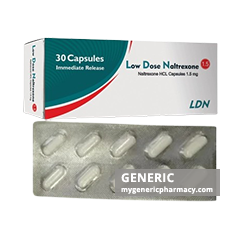
Buy Generic LDN (Naltrexone) Online
Buy Most Prescribed Naltrexone – Now at 100% Discount.
About Generic LDN® (Naltrexone)
Key Details
- Generic LDN™ 1.5 mg for Alcoholism
- Buy online Generic Antabuse™ 1.5 mg (30 Pills), Antabuse Cost, Price $16.50 at 100% Discount.
- May reduce chronic pain and inflammation
- Helps regulate immune system activity
- Low risk of dependence
How Generic LDN Works
When taken in low doses, naltrexone briefly blocks opioid receptors for a short period. This temporary blockade stimulates the body to produce higher levels of natural endorphins once the drug effect wears off.
The increased endorphin activity helps regulate immune function and reduce inflammatory responses. Because of these effects, LDN has been studied in several chronic inflammatory and autoimmune disorders.
Drug Info
NALTREXONE – ORAL (nal TREKS one)
Common Brand Name(s): LDN™
Uses of LDN
Using a low dosage of naltrexone has helped treat:
Thyroid autoimmune diseases
Cancer
syndrome of chronic fatigue
persistent discomfort
Crohn's disease
The fibromyalgia
Gulf War syndrome
Multiple sclerosis
encephalomyelitis myalgic.
It is considered "off-label" therapy to use low dose naltrexone for these conditions; this means that while the FDA hasn't approved the use, it is still recognized.
The benefits of low dose naltrexone became evident when patients on a tapering schedule reported improvement in pain and fatigue symptoms with lower dosages of naltrexone rather than higher dosages. In fact, there haven't been many large trials looking into low dose naltrexone. Limited experiments have demonstrated the potential benefits of low dosage naltrexone for a number of ailments, including pain, Crohn's disease, and fibromyalgia.
Before Using LDN
Before taking low dose naltrexone, tell your doctor or pharmacist if you are allergic to it; or if you have any other allergies. This product may contain inactive ingredients, which can cause allergic reactions or other problems. Talk to your pharmacist for more details.
How to Use LDN
Take low dose naltrexone (LDN) at bedtime on an empty stomach, usually in capsule form. Start with a low dose prescribed by your healthcare provider, typically 1.5 to 4.5 milligrams per day. Stay consistent with timing and dosage. Report any side effects to your healthcare provider and avoid interactions with opioid-containing medications.
Precautions When Using Naltrexone :
It is vital that you avoid taking any opioid (narcotic) painkillers concurrently with low dose naltrexone since it can cause opioid withdrawal by blocking opioid receptors. Low dose naltrexone therapy should not be used if you:
Are you taking opioids for pain relief?
possess an opioid addiction
Are you quitting opioids or do you exhibit signs of opioid withdrawal?
possess a positive opioid urine screen result or have failed a naloxone challenge test.
possess acute hepatitis, but after weighing the risks and benefits, patients with stable or compensated cirrhosis may be permitted to
Have an allergy to naltrexone, polylactide-co-glycolide (PLG), or any other diluent/inactive ingredient in the product? Have you ever experienced a hypersensitivity reaction to any of these substances?
Before beginning low dose naltrexone, disclose to your doctor or other healthcare provider any recent opioid use or history of opioid dependence in order to prevent experiencing an opioid withdrawal. Before starting low dose naltrexone, your doctor might ask you to pass a naloxone challenge test and/or a urine opioid screen.
Before beginning low dose naltrexone, if you have been taking opioids of any kind, wait at least 7 days after your last short-acting opioid dose or 10 to 14 days after your last long-acting opioid dose.
You cannot take low dose naltrexone if you are taking opioids for a long time for a condition like chronic fatigue and do not want to stop taking them. Certain sources claim that low dose naltrexone does not seem to interfere with low dose tramadol (50 mg two to three times per day).
Stopping low-dose naltrexone at least seven days prior to surgery is also recommended.
Side Effects of LDN
SIDE EFFECTS, that may go away during treatment, include mild drowsiness, headache, or a metallic or garlic-like taste in the mouth. If they continue or are bothersome, check with your doctor. CHECK WITH YOUR DOCTOR AS SOON AS POSSIBLE if you experience numbness or tingling of arms or legs, blurred vision, or changes in color vision. If you notice other effects not listed above, contact your doctor, nurse, or pharmacist.
Precautions
It is vital that you avoid taking any opioid (narcotic) painkillers concurrently with low dose naltrexone since it can cause opioid withdrawal by blocking opioid receptors. Low dose naltrexone therapy should not be used if you:
Are you taking opioids for pain relief?
possess an opioid addiction
Are you quitting opioids or do you exhibit signs of opioid withdrawal?
possess a positive opioid urine screen result or have failed a naloxone challenge test.
possess acute hepatitis, but after weighing the risks and benefits, patients with stable or compensated cirrhosis may be permitted to
Have an allergy to naltrexone, polylactide-co-glycolide (PLG), or any other diluent/inactive ingredient in the product? Have you ever experienced a hypersensitivity reaction to any of these substances?
Before beginning low dose naltrexone, disclose to your doctor or other healthcare provider any recent opioid use or history of opioid dependence in order to prevent experiencing an opioid withdrawal. Before starting low dose naltrexone, your doctor might ask you to pass a naloxone challenge test and/or a urine opioid screen.
Before beginning low dose naltrexone, if you have been taking opioids of any kind, wait at least 7 days after your last short-acting opioid dose or 10 to 14 days after your last long-acting opioid dose.
You cannot take low dose naltrexone if you are taking opioids for a long time for a condition like chronic fatigue and do not want to stop taking them. Certain sources claim that low dose naltrexone does not seem to interfere with low dose tramadol (50 mg two to three times per day).
Stopping low-dose naltrexone at least seven days prior to surgery is also recommended.
Drug Interactions
Low dose naltrexone (LDN) can interact with certain medications, potentially affecting their effectiveness or increasing the risk of side effects. Some important drug interactions to be aware of include:
1. Opioid-containing medications: Naltrexone, even in low doses, is an opioid antagonist, so it can block the effects of opioid medications used for pain management or addiction treatment. Combining LDN with opioid medications can lead to withdrawal symptoms or reduced effectiveness of the opioids.
2. Immunosuppressants: LDN may enhance immune function, so it's important to use caution when combining it with immunosuppressive medications, as it could potentially counteract their effects.
3. Thyroid medications: LDN may affect thyroid function, particularly in individuals with autoimmune thyroid disorders. Combining LDN with thyroid medications may require adjustments in dosage, so close monitoring by a healthcare provider is essential.
4. Certain antidepressants: There is limited data on interactions between LDN and antidepressant medications, but some antidepressants, particularly those that affect serotonin levels, may interact with LDN. It's important to monitor for potential serotonin syndrome or other adverse effects when combining these medications.
5. Other medications: LDN may interact with other medications metabolized by the liver or affecting liver enzymes. Always inform your healthcare provider about all medications, supplements, and herbal products you are taking before starting LDN to prevent potential interactions.
It's crucial to discuss potential drug interactions with your healthcare provider before starting LDN, and to inform them of any changes in medications during treatment. Your healthcare provider can help adjust dosages or monitor for adverse effects to ensure safe and effective treatment.
Missed Dose
If you miss a dose, take it as soon as you remember. If it is near the time of the next dose, skip the missed dose and resume your usual dosing schedule. Do not double the dose to catch up.
Overdose
If overdose is suspected, contact a poison control center or emergency room immediately.
Storage
Store at room temperature away from light and moisture. Do not store in the bathroom. Keep all medications away from children and pets.
Cost of LDN
The lowest MyGenericPharmacy.com price for the most common version of Low Dose Naltrexone (Naltrexone) is around $0.55, 100% off the average online retailing price of $33.00.
What is LDN / Naltrexone?
Low Dose Naltrexone (LDN) refers to very small doses of naltrexone, typically 1–4.5 mg, used to modulate the immune system and reduce inflammation. It is used off-label for conditions such as autoimmune diseases, chronic pain disorders, and some neurological conditions.
How Does LDN Work?
At low doses, naltrexone temporarily blocks opioid receptors, which leads the body to increase production of endorphins and enkephalins. These natural opioids help regulate the immune system and reduce inflammation.
Benefits of LDN
- May reduce chronic pain and inflammation
- Helps regulate immune system activity
- Low risk of dependence
- Generally well tolerated at low doses
- Being studied for several chronic diseases
Dosage & How to Use
- Typical dose: 1 mg – 4.5 mg once daily
- Usually taken at bedtime
- Dose often started low and increased gradually
- Often prepared as compounded capsules
- Must be prescribed and monitored by a healthcare professional
Side Effects & Precautions
Common side effects may include:
- Sleep disturbances
- Vivid dreams
- Headache
- Mild nausea
Precautions:
- Avoid using with opioid pain medications
- Liver function may need monitoring
- Should only be used under medical supervision
Who Should Not Take LDN
- Patients currently taking opioid medications
- Individuals with acute opioid withdrawal
- Patients with severe liver disease
- People allergic to naltrexone
Additional information :
DO NOT SHARE THIS MEDICINE with others for whom it was not prescribed. DO NOT USE THIS MEDICINE for other health conditions. KEEP THIS MEDICINE out of the reach of children. IF USING THIS MEDICINE FOR AN EXTENDED PERIOD OF TIME, obtain refills before your supply runs out.
MISSPELLINGS OF NALTREXONE :
natrexone, naltrexon, naltroxone, naltrexene, naltroxin, naltrexin, neltrexone, naltrexonr, maltrexone, naltrozone
Buy Generic LDN (Naltrexone) Online
Buy Most Prescribed Naltrexone – Now at 100% Discount.
About Generic LDN® (Naltrexone)
Key Details
- Generic LDN™ 1.5 mg for Alcoholism
- Buy online Generic Antabuse™ 1.5 mg (30 Pills), Antabuse Cost, Price $16.50 at 100% Discount.
- May reduce chronic pain and inflammation
- Helps regulate immune system activity
- Low risk of dependence
How Generic LDN Works
When taken in low doses, naltrexone briefly blocks opioid receptors for a short period. This temporary blockade stimulates the body to produce higher levels of natural endorphins once the drug effect wears off.
The increased endorphin activity helps regulate immune function and reduce inflammatory responses. Because of these effects, LDN has been studied in several chronic inflammatory and autoimmune disorders.
Drug Info
NALTREXONE – ORAL (nal TREKS one)
Common Brand Name(s): LDN™
Uses of LDN
Using a low dosage of naltrexone has helped treat:
Thyroid autoimmune diseases
Cancer
syndrome of chronic fatigue
persistent discomfort
Crohn's disease
The fibromyalgia
Gulf War syndrome
Multiple sclerosis
encephalomyelitis myalgic.
It is considered "off-label" therapy to use low dose naltrexone for these conditions; this means that while the FDA hasn't approved the use, it is still recognized.
The benefits of low dose naltrexone became evident when patients on a tapering schedule reported improvement in pain and fatigue symptoms with lower dosages of naltrexone rather than higher dosages. In fact, there haven't been many large trials looking into low dose naltrexone. Limited experiments have demonstrated the potential benefits of low dosage naltrexone for a number of ailments, including pain, Crohn's disease, and fibromyalgia.
Before Using LDN
Before taking low dose naltrexone, tell your doctor or pharmacist if you are allergic to it; or if you have any other allergies. This product may contain inactive ingredients, which can cause allergic reactions or other problems. Talk to your pharmacist for more details.
How to Use LDN
Take low dose naltrexone (LDN) at bedtime on an empty stomach, usually in capsule form. Start with a low dose prescribed by your healthcare provider, typically 1.5 to 4.5 milligrams per day. Stay consistent with timing and dosage. Report any side effects to your healthcare provider and avoid interactions with opioid-containing medications.
Precautions When Using Naltrexone :
It is vital that you avoid taking any opioid (narcotic) painkillers concurrently with low dose naltrexone since it can cause opioid withdrawal by blocking opioid receptors. Low dose naltrexone therapy should not be used if you:
Are you taking opioids for pain relief?
possess an opioid addiction
Are you quitting opioids or do you exhibit signs of opioid withdrawal?
possess a positive opioid urine screen result or have failed a naloxone challenge test.
possess acute hepatitis, but after weighing the risks and benefits, patients with stable or compensated cirrhosis may be permitted to
Have an allergy to naltrexone, polylactide-co-glycolide (PLG), or any other diluent/inactive ingredient in the product? Have you ever experienced a hypersensitivity reaction to any of these substances?
Before beginning low dose naltrexone, disclose to your doctor or other healthcare provider any recent opioid use or history of opioid dependence in order to prevent experiencing an opioid withdrawal. Before starting low dose naltrexone, your doctor might ask you to pass a naloxone challenge test and/or a urine opioid screen.
Before beginning low dose naltrexone, if you have been taking opioids of any kind, wait at least 7 days after your last short-acting opioid dose or 10 to 14 days after your last long-acting opioid dose.
You cannot take low dose naltrexone if you are taking opioids for a long time for a condition like chronic fatigue and do not want to stop taking them. Certain sources claim that low dose naltrexone does not seem to interfere with low dose tramadol (50 mg two to three times per day).
Stopping low-dose naltrexone at least seven days prior to surgery is also recommended.
Side Effects of LDN
SIDE EFFECTS, that may go away during treatment, include mild drowsiness, headache, or a metallic or garlic-like taste in the mouth. If they continue or are bothersome, check with your doctor. CHECK WITH YOUR DOCTOR AS SOON AS POSSIBLE if you experience numbness or tingling of arms or legs, blurred vision, or changes in color vision. If you notice other effects not listed above, contact your doctor, nurse, or pharmacist.
Precautions
It is vital that you avoid taking any opioid (narcotic) painkillers concurrently with low dose naltrexone since it can cause opioid withdrawal by blocking opioid receptors. Low dose naltrexone therapy should not be used if you:
Are you taking opioids for pain relief?
possess an opioid addiction
Are you quitting opioids or do you exhibit signs of opioid withdrawal?
possess a positive opioid urine screen result or have failed a naloxone challenge test.
possess acute hepatitis, but after weighing the risks and benefits, patients with stable or compensated cirrhosis may be permitted to
Have an allergy to naltrexone, polylactide-co-glycolide (PLG), or any other diluent/inactive ingredient in the product? Have you ever experienced a hypersensitivity reaction to any of these substances?
Before beginning low dose naltrexone, disclose to your doctor or other healthcare provider any recent opioid use or history of opioid dependence in order to prevent experiencing an opioid withdrawal. Before starting low dose naltrexone, your doctor might ask you to pass a naloxone challenge test and/or a urine opioid screen.
Before beginning low dose naltrexone, if you have been taking opioids of any kind, wait at least 7 days after your last short-acting opioid dose or 10 to 14 days after your last long-acting opioid dose.
You cannot take low dose naltrexone if you are taking opioids for a long time for a condition like chronic fatigue and do not want to stop taking them. Certain sources claim that low dose naltrexone does not seem to interfere with low dose tramadol (50 mg two to three times per day).
Stopping low-dose naltrexone at least seven days prior to surgery is also recommended.
Drug Interactions
Low dose naltrexone (LDN) can interact with certain medications, potentially affecting their effectiveness or increasing the risk of side effects. Some important drug interactions to be aware of include:
1. Opioid-containing medications: Naltrexone, even in low doses, is an opioid antagonist, so it can block the effects of opioid medications used for pain management or addiction treatment. Combining LDN with opioid medications can lead to withdrawal symptoms or reduced effectiveness of the opioids.
2. Immunosuppressants: LDN may enhance immune function, so it's important to use caution when combining it with immunosuppressive medications, as it could potentially counteract their effects.
3. Thyroid medications: LDN may affect thyroid function, particularly in individuals with autoimmune thyroid disorders. Combining LDN with thyroid medications may require adjustments in dosage, so close monitoring by a healthcare provider is essential.
4. Certain antidepressants: There is limited data on interactions between LDN and antidepressant medications, but some antidepressants, particularly those that affect serotonin levels, may interact with LDN. It's important to monitor for potential serotonin syndrome or other adverse effects when combining these medications.
5. Other medications: LDN may interact with other medications metabolized by the liver or affecting liver enzymes. Always inform your healthcare provider about all medications, supplements, and herbal products you are taking before starting LDN to prevent potential interactions.
It's crucial to discuss potential drug interactions with your healthcare provider before starting LDN, and to inform them of any changes in medications during treatment. Your healthcare provider can help adjust dosages or monitor for adverse effects to ensure safe and effective treatment.
Missed Dose
If you miss a dose, take it as soon as you remember. If it is near the time of the next dose, skip the missed dose and resume your usual dosing schedule. Do not double the dose to catch up.
Overdose
If overdose is suspected, contact a poison control center or emergency room immediately.
Storage
Store at room temperature away from light and moisture. Do not store in the bathroom. Keep all medications away from children and pets.
Cost of LDN
The lowest MyGenericPharmacy.com price for the most common version of Low Dose Naltrexone (Naltrexone) is around $0.55, 100% off the average online retailing price of $33.00.
What is LDN / Naltrexone?
Low Dose Naltrexone (LDN) refers to very small doses of naltrexone, typically 1–4.5 mg, used to modulate the immune system and reduce inflammation. It is used off-label for conditions such as autoimmune diseases, chronic pain disorders, and some neurological conditions.
How Does LDN Work?
At low doses, naltrexone temporarily blocks opioid receptors, which leads the body to increase production of endorphins and enkephalins. These natural opioids help regulate the immune system and reduce inflammation.
Benefits of LDN
- May reduce chronic pain and inflammation
- Helps regulate immune system activity
- Low risk of dependence
- Generally well tolerated at low doses
- Being studied for several chronic diseases
Dosage & How to Use
- Typical dose: 1 mg – 4.5 mg once daily
- Usually taken at bedtime
- Dose often started low and increased gradually
- Often prepared as compounded capsules
- Must be prescribed and monitored by a healthcare professional
Side Effects & Precautions
Common side effects may include:
- Sleep disturbances
- Vivid dreams
- Headache
- Mild nausea
Precautions:
- Avoid using with opioid pain medications
- Liver function may need monitoring
- Should only be used under medical supervision
Who Should Not Take LDN
- Patients currently taking opioid medications
- Individuals with acute opioid withdrawal
- Patients with severe liver disease
- People allergic to naltrexone
Additional information :
DO NOT SHARE THIS MEDICINE with others for whom it was not prescribed. DO NOT USE THIS MEDICINE for other health conditions. KEEP THIS MEDICINE out of the reach of children. IF USING THIS MEDICINE FOR AN EXTENDED PERIOD OF TIME, obtain refills before your supply runs out.
MISSPELLINGS OF NALTREXONE :
natrexone, naltrexon, naltroxone, naltrexene, naltroxin, naltrexin, neltrexone, naltrexonr, maltrexone, naltrozone