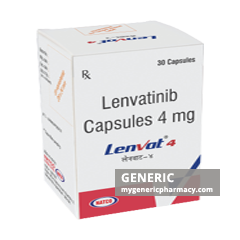
Buy Generic Lenvima (Lenvatinib) Online
Buy Most Prescribed Lenvatinib – Now at 46% Discount.
About Generic Lenvima® (Lenvatinib)
Key Details
- Generic Lenvima™ 4 mg for Cancer
- Buy online Generic Lenvima™ 4mg (10 Pills), Lenvima Cost, Price $42.50 at 46% Discount
- Broad-spectrum kinase inhibition
- Effective in thyroid and liver cancers
- Oral targeted therapy
How Generic Lenvima Works
Generic Lenvima reduces blood supply to tumors by inhibiting VEGF and FGF signaling pathways. This limits oxygen and nutrient delivery essential for tumor growth.
It also directly suppresses cancer cell proliferation through inhibition of oncogenic kinases. Its broad target profile provides activity across multiple tumor types.
Drug Info
LENVATINIB– ORAL (len VA ti nib)
Common Brand Name(s): Lenvima™
Other name brands for this medication
Lenvenib, Lentykine, Glenvas, Lenvanib, Lenvatinib, Lenta, Lenva, Avnalit, Lentris
Uses of Lenvima
The purpose of this drug is to treat cancer. Tyrosine kinase inhibitors are a group of medications that includes lentivinib. It inhibits or stops the development of cancer cells.
Before Using Lenvima
Before taking lenvatinib, tell your doctor or pharmacist if you are allergic to it; or if you have any other allergies. This product may contain inactive ingredients, which can cause allergic reactions or other problems. Talk to your pharmacist for more details.
How to Use Lenvima
Read the Patient Information Leaflet if available from your pharmacist before you start taking lenvatinib and each time you get a refill. If you have any questions, ask your doctor or pharmacist.
Take this medication by mouth once daily, generally with or without meal, as prescribed by your doctor. Completely inhale the capsules. Place the capsules in a glass with 1 tablespoon (15 millilitres) of water or apple juice if you have problems taking the pills whole. Give the capsules 10 minutes to float in the solution. Avoid breaking or crushing the capsules. Stir the contents of the glass for at least three minutes after the 10-minute mark. Immediately consume the entire combination. To make sure you've consumed the complete dose, rinse the glass once more with some water or apple juice and then sip it. Don't make a supply ahead of time.
Depending on your medical condition, lenvatinib may come in a different package and require different dose instructions. Consult your pharmacist about appropriate use to avoid dosage mistakes. For the treatment of liver cancer, the dosage is also determined by your weight, laboratory test results, and your reaction to treatment.
To reap the greatest benefits from this drug, take it frequently. Take it at the same time every day to aid in memory.
Usage this medication just as directed and never up the dosage, frequency, or duration of use. Your disease won't get better any faster, and you'll be at a higher risk for negative side effects.
Women who are or may become pregnant should not handle this medication or breathe the dust from the capsules since it can be absorbed through the skin and lungs and may harm an unborn child.
Side Effects of Lenvima
It's possible to experience dry mouth, hoarseness, nose bleeds, exhaustion, weight loss, headache, muscle/joint discomfort, difficulty sleeping, change in taste, constipation, upset stomach, nausea, vomiting, or loss of appetite. Severe nausea and vomiting are possible. Your doctor may occasionally recommend medicine to treat or prevent nausea and vomiting. Some of these effects may be mitigated by eating frequent short meals, skipping meals before to therapy, or restricting activity. Inform your doctor or pharmacist as soon as possible if any of these side effects persist or get worse.
Dehydration may occur as a result of persistent vomiting or diarrhoea. If you have any dehydration symptoms, such as unusual thirst, dizziness, or lightheadedness, call your doctor right away.
Suck (sugar-free) hard candies or ice chips, chew (sugar-free) gum, drink water, or use a saliva substitute to treat dry mouth.
It's possible to get throat and mouth pain or sores. Brush your teeth gently and thoroughly, refrain from using mouthwash that contains alcohol, and frequently rinse your mouth with cool water that has been seasoned with baking soda or salt. Eating soft, moist foods could also be recommended.
Hair loss may be temporary. After therapy, normal hair growth should resume.
Serious side effects are possible for those taking this medicine. However, your doctor has recommended this medication to you because they believe that it will benefit you more than it will harm you. Your risk may be reduced by your doctor performing careful monitoring.
Your blood pressure may increase if you take this medication. Regularly check your blood pressure, and let your doctor know if the readings are excessive. Your doctor might prescribe medication to lower your blood pressure.
Low blood calcium levels could result from lenvatinib. Throughout your treatment, your doctor will review lab results and may advise you to take calcium and vitamin D.
Inform your doctor right away if you experience any severe side effects, such as muscle spasms, redness, pain, swelling, or blisters on the palms of your hands or soles of your feet, heart failure symptoms (such as shortness of breath, swelling ankles or feet, unusual fatigue, sudden weight gain), or signs of an underactive thyroid (such as weight gain, cold intolerance, slow heartbeat).
Get medical attention right away if you experience any very serious side effects, such as signs of a heart attack (chest/jaw/left arm pain, shortness of breath, unusual sweating), symptoms of a stroke (weakness on one side of the body, difficulty speaking, sudden vision changes, confusion), symptoms of stomach/intestinal problems (bloody/black/tarry stools, stomach/abdominal pain, bloody vomit, vomit that resembles coffee grounds), sudden/severe
Rarely, the drug lenvatinib can result in significant liver damage that can be fatal. If you experience any signs of liver damage, such as persistent nausea or vomiting, lack of appetite, stomach or abdominal discomfort, yellowing of the skin or eyes, or dark urine, get immediate medical attention.
Lenvatinib may infrequently cause RPLS, a severe brain disorder (reversible posterior leukoencephalopathy syndrome). If you experience any RPLS symptoms, such as ongoing headaches, seizures, sudden vision abnormalities, or mental/mood disorders, seek medical attention straight once (such as confusion).
Rarely will this medication cause a very serious allergic reaction. However, if you experience any major adverse reaction symptoms, such as a rash, itching or swelling (particularly of the face, tongue, or throat), severe dizziness, or difficulty breathing, seek medical attention right away.
This is not a complete list of possible side effects. If you notice other effects not listed above, contact your doctor or pharmacist.
Precautions
Tell your doctor or pharmacist about all of your medical conditions before taking this medication, especially if you have: liver disease, kidney disease, high blood pressure, a history of heart attack or stroke, blood vessel issues (such as an aneurysm or a tear or break in the aorta or other blood vessels), dehydration, or any other conditions.
A disorder that alters the heart rhythm could be brought on by lenvatinib (QT prolongation). Rarely, QT prolongation can result in fast/irregular heartbeat that is significant (rarely fatal) and other symptoms including acute dizziness and fainting that require immediate medical intervention.
If you take other medications or have certain medical problems that could raise your risk of QT prolongation, you should consult your doctor. Tell your doctor or pharmacist before beginning treatment with lenvatinib if you have any of the following conditions: a history of certain heart issues in your family, heart failure, a slow heartbeat, or QT prolongation on an EKG (QT prolongation in the EKG, sudden cardiac death).
Your risk of QT prolongation may also increase if your blood contains too little potassium or magnesium. This risk could rise if you take specific medications (such diuretics or "water pills") or experience symptoms like excessive sweating, diarrhoea, or vomiting. Consult your doctor about the safe use of lenvatinib.
Lenvatinib users can get severe jawbone issues. Before you start taking this medication, your doctor should examine your mouth. Before getting any dental work done, disclose to your dentist that you are taking this medicine. Regular dental checkups and knowledge of proper oral hygiene practises can help prevent jawbone issues. Inform your dentist and doctor right away if you experience jaw pain.
Inform your doctor or dentist about all of the products you consume before having any surgery, especially any dental treatments (including prescription drugs, nonprescription drugs, and herbal products).
Wounds treated with this drug may heal slowly or inadequately. Consult your doctor about the advantages and disadvantages of this drug before undergoing surgery. At least one week prior to surgery, your doctor might advise you to temporarily cease using this medicine. For further advice on when to stop and restart lenvatinib therapy, consult your doctor. If you have wounds that are not healing properly, tell your doctor as soon as possible.
Elderly people might be more sensitive to this medication's adverse effects, particularly QT prolongation (see above).
Women who are or may become pregnant should not handle this medication or breathe the dust from the capsules since it can be absorbed through the skin and lungs and may harm an unborn child.
If you are pregnant or want to become pregnant, let your doctor know. Lenvatinib usage should be avoided if trying to conceive. Unborn children could be harmed by lentitinib. A pregnancy test should be requested by your doctor before you start taking this medicine. While using this drug and for at least 30 days after ending therapy, inquire about effective birth control methods. Consult your doctor as soon as possible about the dangers and advantages of this drug if you find out you're pregnant.
It is unclear whether this medication enters breast milk. Breastfeeding is not advised while using this medication and for at least a week after finishing therapy due to the potential risk to the baby. Before breastfeeding, speak with your doctor.
Drug Interactions
Drug interactions could alter how your medications function or raise the possibility of major negative side effects. All probable medication interactions are not included in this document. Keep a list of everything you use, including herbal products, prescription and over-the-counter medications, and provide it to your doctor and pharmacist. Without your doctor's approval, never start, stop, or change the dosage of any medications.
Missed Dose
If you miss a dose, take it as soon as you remember. If it is near the time of the next dose, skip the missed dose and resume your usual dosing schedule. Do not double the dose to catch up.
Overdose
If overdose is suspected, contact a poison control center or emergency room immediately.
Storage
Store at room temperature away from light and moisture. Do not store in the bathroom. Keep all medications away from children and pets.
Cost of Lenvima
The lowest MyGenericPharmacy.com price for the most common version of Lenvima (Lenvatinib) is around $4.25, 46% off the average online retailing price of $80.00.
What is Lenvima / Lenvatinib?
Lenvima is an oral targeted anticancer medication used to treat differentiated thyroid cancer, hepatocellular carcinoma, renal cell carcinoma (in combination), and endometrial cancer. It works by inhibiting tumor growth and angiogenesis.
How Does Lenvima Work?
Lenvatinib is a multikinase inhibitor that blocks VEGFR, FGFR, PDGFR-α, RET, and KIT. This disrupts tumor angiogenesis and cancer cell proliferation pathways.
Benefits of Lenvima
- Broad-spectrum kinase inhibition
- Effective in thyroid and liver cancers
- Oral targeted therapy
- Inhibits tumor angiogenesis
- Improves progression-free survival
Dosage & How to Use
- Taken orally once daily
- Typical dose (thyroid cancer): 24 mg once daily
- HCC dose: 8–12 mg once daily (weight-based)
- RCC/endometrial cancer: 20 mg once daily (with everolimus or pembrolizumab)
- Can be taken with or without food
Side Effects & Precautions
Common side effects may include:
- Hypertension
- Diarrhea
- Fatigue
- Decreased appetite
- Weight loss
Precautions:
- Monitor blood pressure closely
- Monitor liver and renal function
- Manage diarrhea and weight loss early
- Assess cardiac status
Who Should Not Take Lenvima
- Hypersensitivity to lenvatinib
- Pregnancy and breastfeeding
- Uncontrolled hypertension
- Severe hepatic impairment (dose adjustment required)
Other Information of Lenvima :
DO NOT SHARE THIS MEDICINE with others for whom it was not prescribed. DO NOT USE THIS MEDICINE for other health conditions. KEEP THIS MEDICINE out of the reach of children.
MISSPELLINGS OF LENVIMA :
Lenvimaa, Lenvimma, Lenvimma, Lenvimaz, Lenvimma, Lenvimaax, Lenvimaa, Lenvimmae, Lenvimah, Lenviima, Lenvimma, Lenvimae, Lenvimae, Lenviima, Lenvimmaax, Lenvatinibb, Lenvatinibe, Lenvatinibx, Lenvatinibz, Lenvatnib, Lenvatnibb, Lenvatinibe, Lenvatinibb, Lenvatnibx, Lenvatinbe, Lenvatibin, Lenvatnibe, Lenvatnibz, Lenvatinib, Lenvatinibb.
Buy Generic Lenvima (Lenvatinib) Online
Buy Most Prescribed Lenvatinib – Now at 46% Discount.
About Generic Lenvima® (Lenvatinib)
Key Details
- Generic Lenvima™ 4 mg for Cancer
- Buy online Generic Lenvima™ 4mg (10 Pills), Lenvima Cost, Price $42.50 at 46% Discount
- Broad-spectrum kinase inhibition
- Effective in thyroid and liver cancers
- Oral targeted therapy
How Generic Lenvima Works
Generic Lenvima reduces blood supply to tumors by inhibiting VEGF and FGF signaling pathways. This limits oxygen and nutrient delivery essential for tumor growth.
It also directly suppresses cancer cell proliferation through inhibition of oncogenic kinases. Its broad target profile provides activity across multiple tumor types.
Drug Info
LENVATINIB– ORAL (len VA ti nib)
Common Brand Name(s): Lenvima™
Other name brands for this medication
Lenvenib, Lentykine, Glenvas, Lenvanib, Lenvatinib, Lenta, Lenva, Avnalit, Lentris
Uses of Lenvima
The purpose of this drug is to treat cancer. Tyrosine kinase inhibitors are a group of medications that includes lentivinib. It inhibits or stops the development of cancer cells.
Before Using Lenvima
Before taking lenvatinib, tell your doctor or pharmacist if you are allergic to it; or if you have any other allergies. This product may contain inactive ingredients, which can cause allergic reactions or other problems. Talk to your pharmacist for more details.
How to Use Lenvima
Read the Patient Information Leaflet if available from your pharmacist before you start taking lenvatinib and each time you get a refill. If you have any questions, ask your doctor or pharmacist.
Take this medication by mouth once daily, generally with or without meal, as prescribed by your doctor. Completely inhale the capsules. Place the capsules in a glass with 1 tablespoon (15 millilitres) of water or apple juice if you have problems taking the pills whole. Give the capsules 10 minutes to float in the solution. Avoid breaking or crushing the capsules. Stir the contents of the glass for at least three minutes after the 10-minute mark. Immediately consume the entire combination. To make sure you've consumed the complete dose, rinse the glass once more with some water or apple juice and then sip it. Don't make a supply ahead of time.
Depending on your medical condition, lenvatinib may come in a different package and require different dose instructions. Consult your pharmacist about appropriate use to avoid dosage mistakes. For the treatment of liver cancer, the dosage is also determined by your weight, laboratory test results, and your reaction to treatment.
To reap the greatest benefits from this drug, take it frequently. Take it at the same time every day to aid in memory.
Usage this medication just as directed and never up the dosage, frequency, or duration of use. Your disease won't get better any faster, and you'll be at a higher risk for negative side effects.
Women who are or may become pregnant should not handle this medication or breathe the dust from the capsules since it can be absorbed through the skin and lungs and may harm an unborn child.
Side Effects of Lenvima
It's possible to experience dry mouth, hoarseness, nose bleeds, exhaustion, weight loss, headache, muscle/joint discomfort, difficulty sleeping, change in taste, constipation, upset stomach, nausea, vomiting, or loss of appetite. Severe nausea and vomiting are possible. Your doctor may occasionally recommend medicine to treat or prevent nausea and vomiting. Some of these effects may be mitigated by eating frequent short meals, skipping meals before to therapy, or restricting activity. Inform your doctor or pharmacist as soon as possible if any of these side effects persist or get worse.
Dehydration may occur as a result of persistent vomiting or diarrhoea. If you have any dehydration symptoms, such as unusual thirst, dizziness, or lightheadedness, call your doctor right away.
Suck (sugar-free) hard candies or ice chips, chew (sugar-free) gum, drink water, or use a saliva substitute to treat dry mouth.
It's possible to get throat and mouth pain or sores. Brush your teeth gently and thoroughly, refrain from using mouthwash that contains alcohol, and frequently rinse your mouth with cool water that has been seasoned with baking soda or salt. Eating soft, moist foods could also be recommended.
Hair loss may be temporary. After therapy, normal hair growth should resume.
Serious side effects are possible for those taking this medicine. However, your doctor has recommended this medication to you because they believe that it will benefit you more than it will harm you. Your risk may be reduced by your doctor performing careful monitoring.
Your blood pressure may increase if you take this medication. Regularly check your blood pressure, and let your doctor know if the readings are excessive. Your doctor might prescribe medication to lower your blood pressure.
Low blood calcium levels could result from lenvatinib. Throughout your treatment, your doctor will review lab results and may advise you to take calcium and vitamin D.
Inform your doctor right away if you experience any severe side effects, such as muscle spasms, redness, pain, swelling, or blisters on the palms of your hands or soles of your feet, heart failure symptoms (such as shortness of breath, swelling ankles or feet, unusual fatigue, sudden weight gain), or signs of an underactive thyroid (such as weight gain, cold intolerance, slow heartbeat).
Get medical attention right away if you experience any very serious side effects, such as signs of a heart attack (chest/jaw/left arm pain, shortness of breath, unusual sweating), symptoms of a stroke (weakness on one side of the body, difficulty speaking, sudden vision changes, confusion), symptoms of stomach/intestinal problems (bloody/black/tarry stools, stomach/abdominal pain, bloody vomit, vomit that resembles coffee grounds), sudden/severe
Rarely, the drug lenvatinib can result in significant liver damage that can be fatal. If you experience any signs of liver damage, such as persistent nausea or vomiting, lack of appetite, stomach or abdominal discomfort, yellowing of the skin or eyes, or dark urine, get immediate medical attention.
Lenvatinib may infrequently cause RPLS, a severe brain disorder (reversible posterior leukoencephalopathy syndrome). If you experience any RPLS symptoms, such as ongoing headaches, seizures, sudden vision abnormalities, or mental/mood disorders, seek medical attention straight once (such as confusion).
Rarely will this medication cause a very serious allergic reaction. However, if you experience any major adverse reaction symptoms, such as a rash, itching or swelling (particularly of the face, tongue, or throat), severe dizziness, or difficulty breathing, seek medical attention right away.
This is not a complete list of possible side effects. If you notice other effects not listed above, contact your doctor or pharmacist.
Precautions
Tell your doctor or pharmacist about all of your medical conditions before taking this medication, especially if you have: liver disease, kidney disease, high blood pressure, a history of heart attack or stroke, blood vessel issues (such as an aneurysm or a tear or break in the aorta or other blood vessels), dehydration, or any other conditions.
A disorder that alters the heart rhythm could be brought on by lenvatinib (QT prolongation). Rarely, QT prolongation can result in fast/irregular heartbeat that is significant (rarely fatal) and other symptoms including acute dizziness and fainting that require immediate medical intervention.
If you take other medications or have certain medical problems that could raise your risk of QT prolongation, you should consult your doctor. Tell your doctor or pharmacist before beginning treatment with lenvatinib if you have any of the following conditions: a history of certain heart issues in your family, heart failure, a slow heartbeat, or QT prolongation on an EKG (QT prolongation in the EKG, sudden cardiac death).
Your risk of QT prolongation may also increase if your blood contains too little potassium or magnesium. This risk could rise if you take specific medications (such diuretics or "water pills") or experience symptoms like excessive sweating, diarrhoea, or vomiting. Consult your doctor about the safe use of lenvatinib.
Lenvatinib users can get severe jawbone issues. Before you start taking this medication, your doctor should examine your mouth. Before getting any dental work done, disclose to your dentist that you are taking this medicine. Regular dental checkups and knowledge of proper oral hygiene practises can help prevent jawbone issues. Inform your dentist and doctor right away if you experience jaw pain.
Inform your doctor or dentist about all of the products you consume before having any surgery, especially any dental treatments (including prescription drugs, nonprescription drugs, and herbal products).
Wounds treated with this drug may heal slowly or inadequately. Consult your doctor about the advantages and disadvantages of this drug before undergoing surgery. At least one week prior to surgery, your doctor might advise you to temporarily cease using this medicine. For further advice on when to stop and restart lenvatinib therapy, consult your doctor. If you have wounds that are not healing properly, tell your doctor as soon as possible.
Elderly people might be more sensitive to this medication's adverse effects, particularly QT prolongation (see above).
Women who are or may become pregnant should not handle this medication or breathe the dust from the capsules since it can be absorbed through the skin and lungs and may harm an unborn child.
If you are pregnant or want to become pregnant, let your doctor know. Lenvatinib usage should be avoided if trying to conceive. Unborn children could be harmed by lentitinib. A pregnancy test should be requested by your doctor before you start taking this medicine. While using this drug and for at least 30 days after ending therapy, inquire about effective birth control methods. Consult your doctor as soon as possible about the dangers and advantages of this drug if you find out you're pregnant.
It is unclear whether this medication enters breast milk. Breastfeeding is not advised while using this medication and for at least a week after finishing therapy due to the potential risk to the baby. Before breastfeeding, speak with your doctor.
Drug Interactions
Drug interactions could alter how your medications function or raise the possibility of major negative side effects. All probable medication interactions are not included in this document. Keep a list of everything you use, including herbal products, prescription and over-the-counter medications, and provide it to your doctor and pharmacist. Without your doctor's approval, never start, stop, or change the dosage of any medications.
Missed Dose
If you miss a dose, take it as soon as you remember. If it is near the time of the next dose, skip the missed dose and resume your usual dosing schedule. Do not double the dose to catch up.
Overdose
If overdose is suspected, contact a poison control center or emergency room immediately.
Storage
Store at room temperature away from light and moisture. Do not store in the bathroom. Keep all medications away from children and pets.
Cost of Lenvima
The lowest MyGenericPharmacy.com price for the most common version of Lenvima (Lenvatinib) is around $4.25, 46% off the average online retailing price of $80.00.
What is Lenvima / Lenvatinib?
Lenvima is an oral targeted anticancer medication used to treat differentiated thyroid cancer, hepatocellular carcinoma, renal cell carcinoma (in combination), and endometrial cancer. It works by inhibiting tumor growth and angiogenesis.
How Does Lenvima Work?
Lenvatinib is a multikinase inhibitor that blocks VEGFR, FGFR, PDGFR-α, RET, and KIT. This disrupts tumor angiogenesis and cancer cell proliferation pathways.
Benefits of Lenvima
- Broad-spectrum kinase inhibition
- Effective in thyroid and liver cancers
- Oral targeted therapy
- Inhibits tumor angiogenesis
- Improves progression-free survival
Dosage & How to Use
- Taken orally once daily
- Typical dose (thyroid cancer): 24 mg once daily
- HCC dose: 8–12 mg once daily (weight-based)
- RCC/endometrial cancer: 20 mg once daily (with everolimus or pembrolizumab)
- Can be taken with or without food
Side Effects & Precautions
Common side effects may include:
- Hypertension
- Diarrhea
- Fatigue
- Decreased appetite
- Weight loss
Precautions:
- Monitor blood pressure closely
- Monitor liver and renal function
- Manage diarrhea and weight loss early
- Assess cardiac status
Who Should Not Take Lenvima
- Hypersensitivity to lenvatinib
- Pregnancy and breastfeeding
- Uncontrolled hypertension
- Severe hepatic impairment (dose adjustment required)
Other Information of Lenvima :
DO NOT SHARE THIS MEDICINE with others for whom it was not prescribed. DO NOT USE THIS MEDICINE for other health conditions. KEEP THIS MEDICINE out of the reach of children.
MISSPELLINGS OF LENVIMA :
Lenvimaa, Lenvimma, Lenvimma, Lenvimaz, Lenvimma, Lenvimaax, Lenvimaa, Lenvimmae, Lenvimah, Lenviima, Lenvimma, Lenvimae, Lenvimae, Lenviima, Lenvimmaax, Lenvatinibb, Lenvatinibe, Lenvatinibx, Lenvatinibz, Lenvatnib, Lenvatnibb, Lenvatinibe, Lenvatinibb, Lenvatnibx, Lenvatinbe, Lenvatibin, Lenvatnibe, Lenvatnibz, Lenvatinib, Lenvatinibb.