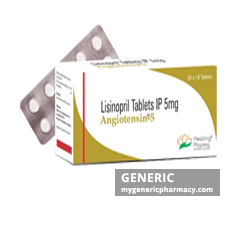
Buy Generic Prinivil (Lisinopril) Online
Buy Most Prescribed Lisinopril – Now at 62% Discount.
About Generic Prinivil® (Lisinopril)
Key Details
- Generic Prinivil™ 5mg for Blood Pressure
- Buy online Generic Prinivil™ 5 mg (30 Pills), Prinivil Cost, Price $10.80 at 62% Discount
- Effectively lowers high blood pressure
- Protects the heart and reduces risk of heart attack and stroke
- Improves survival after a heart attack
How Generic Prinivil Works
Generic Prinivil (Lisinopril) works by blocking the enzyme responsible for producing angiotensin II, a powerful chemical that causes blood vessels to tighten and narrow. When angiotensin II is reduced, the blood vessels relax and widen, allowing blood to flow more easily. This lowering of vascular resistance reduces overall blood pressure and decreases the workload on the heart.
Additionally, Lisinopril helps protect vital organs such as the heart and kidneys. In heart failure patients, it improves the pumping ability of the heart by reducing strain and preventing fluid buildup. In diabetic patients or those with long-standing hypertension, it slows the progression of kidney damage by improving blood flow to the kidneys and reducing pressure inside blood vessels.
Drug Info
LISINOPRIL– ORAL (lyse-IN-oh-pril)
Common Brand Name(s): Prinivil™
Other name brands for this medication
Listril, Lipril, Lisoril, Hipril, Normopril, Lisnop Zestoretic, Zestril, Qbrelis
Uses of Prinivil
This medicine is an angiotensin converting enzyme (ACE) inhibitor used to treat high blood pressure. It may also be used with other medicine to treat congestive heart disease or to improve survival in some patients after a heart attack. This medicine may be used to treat other conditions as determined by your doctor.
Before Using Prinivil
WARNING: This drug can cause serious fetal harm if used during the last six months of pregnancy. If pregnancy occurs, stop using this drug and immediately contact your physician. Some medicines or medical conditions may interact with this medicine. INFORM YOUR DOCTOR OR PHARMACIST of all prescription and over-the-counter medicine that you are taking. ADDITIONAL MONITORING OF YOUR DOSE OR CONDITION may be needed if you are taking non-steroidal anti-inflammatory medicine (such as ibuprofen, naproxen, or celecoxib), salicylates (such as aspirin), phenothiazines (such as thioridazine or chlorpromazine), diuretics (such as hydrochlorothiazide, furosemide, spironolactone, or triamterene), certain medicines for diabetes (such as glyburide, glipizide, tolbutamide, or insulin), pergolide, clozapine, eplerenone, indomethacin, lithium, potassium, azathioprine, or trimethoprim. Inform your doctor of any other medical conditions including a recent heart attack or other heart problems; blood vessel problems (such as aortic stenosis or stroke); kidney problems; hemodialysis; liver problems; electrolyte problems; a salt-restricted diet; lupus or scleroderma; diabetes; blood or bone marrow problems; allergies; pregnancy; or breast-feeding. USE OF THIS MEDICINE IS NOT RECOMMENDED if you have a history of unusual swelling of your face, neck, throat, tongue, lips, or trunk (angioedema). Use of this medicine in children who have severe kidney problems or are under age 6 is not recommended. Discuss with your doctor the risks and benefits of giving this medicine to your child. Contact your doctor or pharmacist if you have any questions or concerns about taking this medicine.
How to Use Prinivil
Follow the directions for using this medicine provided by your doctor. This medicine may be taken on an empty stomach or with food. STORE THIS MEDICINE at room temperature in a tightly-closed container away from heat, moisture, and light. Do not freeze. Take this medicine regularly to receive the most benefit from it. Taking this medicine at the same times each day will help you to remember. CONTINUE TO TAKE THIS MEDICINE even if you feel well. Do not miss any doses. IF YOU MISS A DOSE OF THIS MEDICINE and you are taking 1 dose daily, take the missed dose if you remember the same day. Skip the missed dose if you do not remember until the next day. DO NOT take 2 doses at once.
Side Effects of Prinivil
SIDE EFFECTS, that may occur while taking this medicine include headache, drowsiness, dizziness or lightheadedness, tiredness, weakness, and cough. If they continue or are bothersome, check with your doctor. CHECK WITH YOUR DOCTOR AS SOON AS POSSIBLE if you experience fast or irregular heartbeat; prolonged nausea, vomiting, or diarrhea; a change in the amount of your urine; unusual joint pain; or unusual muscle pain, cramps, or weakness. CONTACT YOUR DOCTOR IMMEDIATELY if you experience swelling of hands, legs, face, lips, eyes, throat, tongue, or trunk; difficulty swallowing or breathing; severe dizziness; lightheadedness; fainting; hoarseness; chest pain; unusual stomach pain; yellowing of the skin or eyes; darkening of your urine; sore throat; or fever. AN ALLERGIC REACTION to this medicine is unlikely, but seek immediate medical attention if it occurs. Symptoms of an allergic reaction include rash, itching, swelling, severe dizziness, or trouble breathing. If you notice other effects not listed above, contact your doctor, nurse, or pharmacist.
Precautions
DO NOT TAKE THIS MEDICINE if you have had an allergic reaction to it, to other ACE inhibitors, or if you are allergic to any ingredient in this product. DO NOT EXCEED THE RECOMMENDED DOSE without checking with your doctor. IT MAY TAKE 2 TO 4 WEEKS for this medicine to work. Do not stop using this medicine without checking with your doctor. Laboratory and/or medical tests including liver function, kidney function, blood pressure, blood counts, and blood electrolytes may be performed to monitor your progress or to check for side effects. KEEP ALL DOCTOR AND LABORATORY APPOINTMENTS while you are taking this medicine. BEFORE YOU HAVE ANY MEDICAL OR DENTAL TREATMENTS, EMERGENCY CARE, OR SURGERY, tell the doctor or dentist that you are using this medicine. THIS MEDICINE MAY CAUSE dizziness, lightheadedness, or fainting, especially when you begin taking this medicine. DO NOT DRIVE, OPERATE MACHINERY, OR DO ANYTHING ELSE THAT COULD BE DANGEROUS until you know how you react to this medicine. Using this medicine alone, with other medicines, or with alcohol may lessen your ability to drive or to perform other potentially dangerous tasks. If dizziness occurs, sit up or stand slowly. DRINK PLENTY OF FLUIDS during exercise or other activities where excessive sweating may occur. THIS MEDICINE MAY CAUSE increased sensitivity to the sun. Avoid exposure to the sun, sunlamps, or tanning booths until you know how you react to this medicine. Use a sunscreen or protective clothing if you must be outside for a prolonged period. IF YOU EXPERIENCE difficulty breathing; tightness of chest; swelling of eyelids, face, or lips; or if you develop a rash or hives, tell your doctor immediately. Do not take any more of this medicine unless your doctor tells you to do so. RARELY, THIS MEDICINE MAY LOWER YOUR RESISTANCE TO INFECTION. This risk may be increased if you have certain other health problems (such as kidney problems or collagen vascular disease). Prevent infection by avoiding contact with people with colds or other infections. Do not touch your eyes or the inside of your nose unless you have thoroughly washed your hands first. DO NOT USE A SALT SUBSTITUTE or other potassium supplement without checking with your doctor. BEFORE YOU BEGIN TAKING ANY NEW MEDICINE, either prescription or over-the-counter, check with your doctor or pharmacist. CAUTION IS ADVISED WHEN USING THIS MEDICINE IN THE ELDERLY because they may be more sensitive to the effects of the medicine. FOR WOMEN: USE OF THIS MEDICINE DURING PREGNANCY has resulted in fetal and newborn death. If you think you may be pregnant, contact your doctor immediately. IT IS UNKNOWN IF THIS MEDICINE IS EXCRETED in breast milk. DO NOT BREAST-FEED while taking this medicine. IF YOU HAVE DIABETES, this medicine may affect your blood sugar. Check blood sugar levels closely and ask your doctor before adjusting the dose of your diabetes medicine. MONITOR BLOOD GLUCOSE on a regular basis, as directed by your doctor.
Drug Interactions
Drug interactions can result in unwanted side effects or prevent a medicine from doing its job. Use our drug interaction checker to find out if your medicines interact with each other. Check drug interactions
Missed Dose
If you miss a dose, take it as soon as you remember. If it is near the time of the next dose, skip the missed dose and resume your usual dosing schedule. Do not double the dose to catch up.
Overdose
If overdose is suspected, contact a poison control center or emergency room immediately.
Storage
Store at room temperature away from light and moisture. Do not store in the bathroom. Keep all medications away from children and pets.
Cost of Prinivil
The lowest MyGenericPharmacy.com price for the most common version of Prinivil (Lisinopril) is around $0.36, 62% off the average online retailing price of $28.99.
What is Prinivil / Lisinopril?
Prinivil is a medication containing Lisinopril, an ACE inhibitor used to treat high blood pressure, heart failure, and improve survival after a heart attack. It works by relaxing blood vessels and allowing easier blood flow.
How Does Prinivil Work?
Prinivil blocks the production of angiotensin II, a hormone that causes blood vessels to tighten. By relaxing and widening the vessels, it lowers blood pressure and reduces strain on the heart.
Benefits of Prinivil
- Effectively lowers high blood pressure
- Protects the heart and reduces risk of heart attack and stroke
- Improves survival after a heart attack
- Helps treat and manage heart failure
- Protects kidneys, especially in patients with diabetes
- Long-acting, once-daily dosing
- Reduces strain on the heart and blood vessels
- Well-tolerated and widely used
- Reduces fluid buildup in heart failure patients
Dosage & How to Use
- Typically taken once daily, with or without food.
- Common doses: 5 mg, 10 mg, 20 mg, depending on the condition.
- Hypertension: usually 10–20 mg daily.
- Heart failure: usually 5 mg daily, adjusted as needed.
- After a heart attack: usually started at 5 mg, then adjusted.
- Take at the same time every day for best results.
- Do not double your dose if you miss one—take it when remembered unless close to next dose.
- Regular monitoring of blood pressure, kidney function, and potassium levels is important.
Side Effects & Precautions
Common side effects may include:
- Dry, persistent cough
- Dizziness or lightheadedness
- Headache
- Fatigue
- Nausea
- Low blood pressure
Precautions:
- Avoid potassium supplements or salt substitutes unless advised.
- Rise slowly to prevent dizziness.
- Avoid alcohol (can enhance blood pressure lowering).
- Monitor kidneys and potassium regularly.
- Not safe during pregnancy—can harm the baby.
- Notify doctor if you develop severe rash, swelling, or trouble breathing.
Who Should Not Take Prinivil
- Pregnant women or those planning pregnancy
- People with a history of angioedema (especially from ACE inhibitors)
- Individuals with severe kidney disease
- Those allergic to Lisinopril or ACE inhibitors
- People taking aliskiren with diabetes
- Patients with dangerously low blood pressure
- Those with severe dehydration or electrolyte imbalance
Other Information of Prinivil :
DO NOT SHARE THIS MEDICINE with others for whom it was not prescribed. DO NOT USE THIS MEDICINE for other health conditions. KEEP THIS MEDICINE out of the reach of children. IF YOU WILL BE TAKING THIS MEDICINE FOR AN EXTENDED PERIOD OF TIME, be sure to obtain necessary refills before your supply runs out.
MISSPELLINGS OF PRINIVIL :
Prinzivil, Prinivill, Prinivel, Prnivil, Prinizil, Prindivil, Privil, Prinizil, Prinivell, Prinivl, Prinvil, Prinnivil, Prinavil, Prinevill, Prinivyl, Prinnivill, Priniville, Prinival, Prinevyl, Lisinopril, Lisnopril, Lisonopril, Lisinoprl, Lisenopril, Lisnopril, Lisinopril, Lissinopril, Lisinopil, Lisinoopril, Lisinoprill, Lisnoprill, Lisinapril, Lisinopryl, Lysinopril,
Lisinoprill, Lysinapril, Lisenopril, Lisinoprial, Lisinoprel, Lisinopiryl.
Buy Generic Prinivil (Lisinopril) Online
Buy Most Prescribed Lisinopril – Now at 62% Discount.
About Generic Prinivil® (Lisinopril)
Key Details
- Generic Prinivil™ 5mg for Blood Pressure
- Buy online Generic Prinivil™ 5 mg (30 Pills), Prinivil Cost, Price $10.80 at 62% Discount
- Effectively lowers high blood pressure
- Protects the heart and reduces risk of heart attack and stroke
- Improves survival after a heart attack
How Generic Prinivil Works
Generic Prinivil (Lisinopril) works by blocking the enzyme responsible for producing angiotensin II, a powerful chemical that causes blood vessels to tighten and narrow. When angiotensin II is reduced, the blood vessels relax and widen, allowing blood to flow more easily. This lowering of vascular resistance reduces overall blood pressure and decreases the workload on the heart.
Additionally, Lisinopril helps protect vital organs such as the heart and kidneys. In heart failure patients, it improves the pumping ability of the heart by reducing strain and preventing fluid buildup. In diabetic patients or those with long-standing hypertension, it slows the progression of kidney damage by improving blood flow to the kidneys and reducing pressure inside blood vessels.
Drug Info
LISINOPRIL– ORAL (lyse-IN-oh-pril)
Common Brand Name(s): Prinivil™
Other name brands for this medication
Listril, Lipril, Lisoril, Hipril, Normopril, Lisnop Zestoretic, Zestril, Qbrelis
Uses of Prinivil
This medicine is an angiotensin converting enzyme (ACE) inhibitor used to treat high blood pressure. It may also be used with other medicine to treat congestive heart disease or to improve survival in some patients after a heart attack. This medicine may be used to treat other conditions as determined by your doctor.
Before Using Prinivil
WARNING: This drug can cause serious fetal harm if used during the last six months of pregnancy. If pregnancy occurs, stop using this drug and immediately contact your physician. Some medicines or medical conditions may interact with this medicine. INFORM YOUR DOCTOR OR PHARMACIST of all prescription and over-the-counter medicine that you are taking. ADDITIONAL MONITORING OF YOUR DOSE OR CONDITION may be needed if you are taking non-steroidal anti-inflammatory medicine (such as ibuprofen, naproxen, or celecoxib), salicylates (such as aspirin), phenothiazines (such as thioridazine or chlorpromazine), diuretics (such as hydrochlorothiazide, furosemide, spironolactone, or triamterene), certain medicines for diabetes (such as glyburide, glipizide, tolbutamide, or insulin), pergolide, clozapine, eplerenone, indomethacin, lithium, potassium, azathioprine, or trimethoprim. Inform your doctor of any other medical conditions including a recent heart attack or other heart problems; blood vessel problems (such as aortic stenosis or stroke); kidney problems; hemodialysis; liver problems; electrolyte problems; a salt-restricted diet; lupus or scleroderma; diabetes; blood or bone marrow problems; allergies; pregnancy; or breast-feeding. USE OF THIS MEDICINE IS NOT RECOMMENDED if you have a history of unusual swelling of your face, neck, throat, tongue, lips, or trunk (angioedema). Use of this medicine in children who have severe kidney problems or are under age 6 is not recommended. Discuss with your doctor the risks and benefits of giving this medicine to your child. Contact your doctor or pharmacist if you have any questions or concerns about taking this medicine.
How to Use Prinivil
Follow the directions for using this medicine provided by your doctor. This medicine may be taken on an empty stomach or with food. STORE THIS MEDICINE at room temperature in a tightly-closed container away from heat, moisture, and light. Do not freeze. Take this medicine regularly to receive the most benefit from it. Taking this medicine at the same times each day will help you to remember. CONTINUE TO TAKE THIS MEDICINE even if you feel well. Do not miss any doses. IF YOU MISS A DOSE OF THIS MEDICINE and you are taking 1 dose daily, take the missed dose if you remember the same day. Skip the missed dose if you do not remember until the next day. DO NOT take 2 doses at once.
Side Effects of Prinivil
SIDE EFFECTS, that may occur while taking this medicine include headache, drowsiness, dizziness or lightheadedness, tiredness, weakness, and cough. If they continue or are bothersome, check with your doctor. CHECK WITH YOUR DOCTOR AS SOON AS POSSIBLE if you experience fast or irregular heartbeat; prolonged nausea, vomiting, or diarrhea; a change in the amount of your urine; unusual joint pain; or unusual muscle pain, cramps, or weakness. CONTACT YOUR DOCTOR IMMEDIATELY if you experience swelling of hands, legs, face, lips, eyes, throat, tongue, or trunk; difficulty swallowing or breathing; severe dizziness; lightheadedness; fainting; hoarseness; chest pain; unusual stomach pain; yellowing of the skin or eyes; darkening of your urine; sore throat; or fever. AN ALLERGIC REACTION to this medicine is unlikely, but seek immediate medical attention if it occurs. Symptoms of an allergic reaction include rash, itching, swelling, severe dizziness, or trouble breathing. If you notice other effects not listed above, contact your doctor, nurse, or pharmacist.
Precautions
DO NOT TAKE THIS MEDICINE if you have had an allergic reaction to it, to other ACE inhibitors, or if you are allergic to any ingredient in this product. DO NOT EXCEED THE RECOMMENDED DOSE without checking with your doctor. IT MAY TAKE 2 TO 4 WEEKS for this medicine to work. Do not stop using this medicine without checking with your doctor. Laboratory and/or medical tests including liver function, kidney function, blood pressure, blood counts, and blood electrolytes may be performed to monitor your progress or to check for side effects. KEEP ALL DOCTOR AND LABORATORY APPOINTMENTS while you are taking this medicine. BEFORE YOU HAVE ANY MEDICAL OR DENTAL TREATMENTS, EMERGENCY CARE, OR SURGERY, tell the doctor or dentist that you are using this medicine. THIS MEDICINE MAY CAUSE dizziness, lightheadedness, or fainting, especially when you begin taking this medicine. DO NOT DRIVE, OPERATE MACHINERY, OR DO ANYTHING ELSE THAT COULD BE DANGEROUS until you know how you react to this medicine. Using this medicine alone, with other medicines, or with alcohol may lessen your ability to drive or to perform other potentially dangerous tasks. If dizziness occurs, sit up or stand slowly. DRINK PLENTY OF FLUIDS during exercise or other activities where excessive sweating may occur. THIS MEDICINE MAY CAUSE increased sensitivity to the sun. Avoid exposure to the sun, sunlamps, or tanning booths until you know how you react to this medicine. Use a sunscreen or protective clothing if you must be outside for a prolonged period. IF YOU EXPERIENCE difficulty breathing; tightness of chest; swelling of eyelids, face, or lips; or if you develop a rash or hives, tell your doctor immediately. Do not take any more of this medicine unless your doctor tells you to do so. RARELY, THIS MEDICINE MAY LOWER YOUR RESISTANCE TO INFECTION. This risk may be increased if you have certain other health problems (such as kidney problems or collagen vascular disease). Prevent infection by avoiding contact with people with colds or other infections. Do not touch your eyes or the inside of your nose unless you have thoroughly washed your hands first. DO NOT USE A SALT SUBSTITUTE or other potassium supplement without checking with your doctor. BEFORE YOU BEGIN TAKING ANY NEW MEDICINE, either prescription or over-the-counter, check with your doctor or pharmacist. CAUTION IS ADVISED WHEN USING THIS MEDICINE IN THE ELDERLY because they may be more sensitive to the effects of the medicine. FOR WOMEN: USE OF THIS MEDICINE DURING PREGNANCY has resulted in fetal and newborn death. If you think you may be pregnant, contact your doctor immediately. IT IS UNKNOWN IF THIS MEDICINE IS EXCRETED in breast milk. DO NOT BREAST-FEED while taking this medicine. IF YOU HAVE DIABETES, this medicine may affect your blood sugar. Check blood sugar levels closely and ask your doctor before adjusting the dose of your diabetes medicine. MONITOR BLOOD GLUCOSE on a regular basis, as directed by your doctor.
Drug Interactions
Drug interactions can result in unwanted side effects or prevent a medicine from doing its job. Use our drug interaction checker to find out if your medicines interact with each other. Check drug interactions
Missed Dose
If you miss a dose, take it as soon as you remember. If it is near the time of the next dose, skip the missed dose and resume your usual dosing schedule. Do not double the dose to catch up.
Overdose
If overdose is suspected, contact a poison control center or emergency room immediately.
Storage
Store at room temperature away from light and moisture. Do not store in the bathroom. Keep all medications away from children and pets.
Cost of Prinivil
The lowest MyGenericPharmacy.com price for the most common version of Prinivil (Lisinopril) is around $0.36, 62% off the average online retailing price of $28.99.
What is Prinivil / Lisinopril?
Prinivil is a medication containing Lisinopril, an ACE inhibitor used to treat high blood pressure, heart failure, and improve survival after a heart attack. It works by relaxing blood vessels and allowing easier blood flow.
How Does Prinivil Work?
Prinivil blocks the production of angiotensin II, a hormone that causes blood vessels to tighten. By relaxing and widening the vessels, it lowers blood pressure and reduces strain on the heart.
Benefits of Prinivil
- Effectively lowers high blood pressure
- Protects the heart and reduces risk of heart attack and stroke
- Improves survival after a heart attack
- Helps treat and manage heart failure
- Protects kidneys, especially in patients with diabetes
- Long-acting, once-daily dosing
- Reduces strain on the heart and blood vessels
- Well-tolerated and widely used
- Reduces fluid buildup in heart failure patients
Dosage & How to Use
- Typically taken once daily, with or without food.
- Common doses: 5 mg, 10 mg, 20 mg, depending on the condition.
- Hypertension: usually 10–20 mg daily.
- Heart failure: usually 5 mg daily, adjusted as needed.
- After a heart attack: usually started at 5 mg, then adjusted.
- Take at the same time every day for best results.
- Do not double your dose if you miss one—take it when remembered unless close to next dose.
- Regular monitoring of blood pressure, kidney function, and potassium levels is important.
Side Effects & Precautions
Common side effects may include:
- Dry, persistent cough
- Dizziness or lightheadedness
- Headache
- Fatigue
- Nausea
- Low blood pressure
Precautions:
- Avoid potassium supplements or salt substitutes unless advised.
- Rise slowly to prevent dizziness.
- Avoid alcohol (can enhance blood pressure lowering).
- Monitor kidneys and potassium regularly.
- Not safe during pregnancy—can harm the baby.
- Notify doctor if you develop severe rash, swelling, or trouble breathing.
Who Should Not Take Prinivil
- Pregnant women or those planning pregnancy
- People with a history of angioedema (especially from ACE inhibitors)
- Individuals with severe kidney disease
- Those allergic to Lisinopril or ACE inhibitors
- People taking aliskiren with diabetes
- Patients with dangerously low blood pressure
- Those with severe dehydration or electrolyte imbalance
Other Information of Prinivil :
DO NOT SHARE THIS MEDICINE with others for whom it was not prescribed. DO NOT USE THIS MEDICINE for other health conditions. KEEP THIS MEDICINE out of the reach of children. IF YOU WILL BE TAKING THIS MEDICINE FOR AN EXTENDED PERIOD OF TIME, be sure to obtain necessary refills before your supply runs out.
MISSPELLINGS OF PRINIVIL :
Prinzivil, Prinivill, Prinivel, Prnivil, Prinizil, Prindivil, Privil, Prinizil, Prinivell, Prinivl, Prinvil, Prinnivil, Prinavil, Prinevill, Prinivyl, Prinnivill, Priniville, Prinival, Prinevyl, Lisinopril, Lisnopril, Lisonopril, Lisinoprl, Lisenopril, Lisnopril, Lisinopril, Lissinopril, Lisinopil, Lisinoopril, Lisinoprill, Lisnoprill, Lisinapril, Lisinopryl, Lysinopril,
Lisinoprill, Lysinapril, Lisenopril, Lisinoprial, Lisinoprel, Lisinopiryl.
FAQ
1. What is Lisinopril (Prinivil) and what is it used for?
Lisinopril is a medical drug available to us under the name Prinivil which belongs to a class of medication called Angiotensin converting Enzymes(ACE) inhibitors. This medicine is used to treat high blood pressure, heart failure and after effects of heart attacks. It is also used to prevent strokes and treats diabetic kidney disease.
2. When and how to use Lisinopril?
Lisinopril is available to us in a form of pill that must be taken by mouth with or without food as per your doctor's prescription. It is usually taken once a day daily. The dosage and length of the treatment is based on your medical condition, response to the treatment and other medicine that you may be taking for the same or different reason. Swallow the tablet whole rather than chewing or crushing it in your mouth as it may release all the drug in your mouth which increases the risk of side effects. Your doctor may start you with a low dose which will increase gradually. Take the medicine daily at the same time to get the most benefits from it. Do not increase your dose or take it more often than prescribed as this may also increase the risk of side effects without any improvement in your condition. Discuss all the other medicines that you might be taking along with Lisinopril for the same or different reasons. Follow the medical prescription carefully and inform your doctor in case of any exception or confusion.
3. What are the side effects of Lisinopril?
Common side effects observed while medicating with Lisinopril are lightheadedness, tiredness, headache, dizziness or dry cough may occur. Inform your doctor if these conditions persist or get worse. There are some serious side effects which must be informed to the doctor right away if observed such as fainting, symptoms of a high potassium blood level (muscle weakness, slow/irregular heartbeat), change in the amount of urine etc. There are also some severe allergic reactions involved with these medications which require immediate medical attention if observed such as rash, itching/swelling (especially of the face/tongue/throat), trouble breathing, severe dizziness, nausea/vomiting that doesn't stop, loss of appetite, stomach/abdominal pain, yellowing eyes/skin, dark urine etc.
4. Is lisinopril an effective medicine?
For the treatment of mild to moderate hypertension, lisinopril has proven to be an effective and safe medicine as an antihypertensive medical drug. According to the clinical trial, the total efficacy demonstrated by lisinopril was excellent in reduction of blood pressure. However if used for a long time, lisinopril may cause malfunctioning of heart and arteries. This can damage blood vessels of several vital organs of the body which include the heart and brain.
5. How long does lisinopril take to work?
lisinopril is a kind of medicine that is quick enough to start working within a couple of hours after the intake of medicine. However, it may take a couple of weeks to deliver its maximum effects on your condition. Also for treating heart failure, lisinopril may take a few weeks or a couple of months to improve your condition and make you feel better.
6. Is lisinopril better in reducing blood pressure than any other medicine?
The reduction of systolic and diastolic blood pressure is greater in lisinopril than Hydrochlorothiazide. The reduction of diastolic blood pressure by lisinopril is equivalent to metoprolol and atenolol but is greater in reducing diastolic BP. Also lisinopril and Nifedipine share similar reduction in systolic and diastolic BP according to a comparative trial.
7. What is Lisinopril used for?
Lisinopril is a medicinal drug to deal with excessive blood stress and coronary heart failure. It is also prescribed after a heart attack and in diabetic kidney disorder. Lisinopril helps save you future strokes and heart attacks. It also improves your survival if you're taking it after a latest heart assault or for heart failure.
8. What is the side effect of lisinopril?
There are some common side effects such as headache, nausea, diarrhea, common cold, vomiting, difficulty breathing, abdominal or stomach pain, fever, body aches or pain, cloudy urine, Blurred vision may occur. If any of these effects persist or worsen, tell your doctor or pharmacist promptly.
9. Does Lisinopril help the kidneys?
In human beings with diabetes, lisinopril facilitates save you kidney ailment from progressing and decreases the amount of protein that goes unfiltered with the aid of the kidneys and ends up in urine (a.k.a. proteinuria).
10. How quickly does Lisinopril lower blood pressure?
Lisinopril starts offevolved to art work inside some hours to reduce excessive blood stress, however it can take some weeks for it to take whole impact. In case you're taking lisinopril for coronary heart failure, it can take weeks, even months, earlier than you experience higher.
11. Is Lisinopril safe during pregnancy?
Lisinopril is a kind of medicine that is not recommended to be used during pregnancy. One must consult the doctor before medicating with Lisinopril during pregnancy. Also, it is unknown whether the components of products get passed on to breast milk or not. Kindly consult the doctor before breastfeeding your baby.
12. What precautions must be taken before using Lisinopril?
Before starting the medication with Lisinopril, one must inform the doctor regarding allergies related to any component of the medicine, drugs allergies of the same class, or any other allergies as these products may contain some ingredient that causes an allergic reaction inside your body. Tell your doctor if you have any medical history related to liver disease, kidney disease, facial/throat/tongue swelling, high level of potassium in the blood, blood-filtering procedure, etc. Use of alcohol and marijuana while medicating with Lisinopril will make you dizzier than usual which must be avoided.
13. Which medicine interacts with Lisinopril?
Interaction with a medicine generally refers to a change of effectiveness and potential risk that can develop in the body when two or more different drugs come into contact with one another inside the body. Medicines interacting with Lisinopril include Aliskiren. Some products weaken the immune system while medicating with Lisinopril such as Lithium, sirolimus, everolimus, etc. Some drugs increase the potassium level in the body such as ARBs, birth control pills, sacubitril There are also certain drugs that the blood pressure or worsen your heart failure condition such as cough, and cold products, NSAIDs such as ibuprofen, diet aids, etc.
14. Which food must be avoided while medicating with Lisinopril?
Food consisting of high potassium may increase the potassium in the level of blood in the body which includes salty products. Foods that must be avoided are oranges, bananas, potatoes, squash, tomatoes, dark leafy greens, etc.
15. Can Lisinopril cause bowel problems?
Lisinopril is used to treat antihypertensive, cardiovascular disorders but sometimes could be involved with mild bowel problems. It may cause swelling of the intestines leading to bowel obstruction. Thi condition could be life-threatening too.
16. Does lisinopril cause hair loss?
Lisinopril is a medicine of ACE inhibitor class that could unusually cause hair loss. However, the probability of occurrence of hair loss is about 1% of the total use of Lisinopril as per the report.