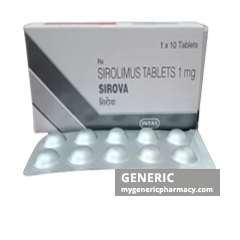
Buy Generic Rapamune (Sirolimus) Online
Buy Most Prescribed Sirolimus – Now at 33% Discount.
About Generic Rapamune® (Sirolimus)
Key Details
- Generic Rapamune™ 1 mg for Immuno Suppressant
- Buy online Generic Rapamune™ 1 mg (30 Pills), Rapamune Cost, Price $159.00 at 33% Discount
- Prevents organ transplant rejection
- Useful alternative to calcineurin inhibitors
- Less nephrotoxicity compared to some other immunosuppressants
How Generic Rapamune Works
After oral administration, sirolimus binds to an intracellular protein (FKBP-12), forming a complex that inhibits the mTOR pathway. Unlike tacrolimus, it does not inhibit calcineurin but instead blocks cell cycle progression of immune cells.
By preventing T-cell proliferation, sirolimus suppresses the immune system’s ability to attack transplanted organs. This helps maintain graft function and reduces the risk of rejection.
Drug Info
SIROLIMUS – ORAL (sye RO li mus)
Common Brand Name(s): Rapamune™
Other name brands for this medication
Siromus, Siropan, Rocas, Rapacan, Sirova, Limus, Raparen, Sirotrend, Siroglob, Sirotag
Uses of Rapamune
Sirolimus is used with other medications to prevent rejection of a kidney transplant. This medication belongs to a class of drugs known as immunosuppressants. It works by weakening your body's defense system (immune system) to help your body accept the new organ as if it were your own.
Before Using Rapamune
Before taking sirolimus, tell your doctor or pharmacist if you are allergic to it; or to other macrolide medications (e.g., tacrolimus, erythromycin); or if you have any other allergies. This product may contain inactive ingredients, which can cause allergic reactions or other problems. Talk to your pharmacist for more details.
How to Use Rapamune
Read the Medication Guide provided by your pharmacist before you start taking sirolimus and each time you get a refill. If you have any questions, ask your doctor or pharmacist.
Take this medication by mouth, usually once daily or as directed by your doctor. Swallow this medication whole. Do not crush, chew, or break the tablets. If you have nausea or an upset stomach, you may take this drug with food. However, you must choose one way (with food or without food) and always take this medication the same way so that your body always absorbs the same amount of drug. Consult your doctor or pharmacist for more details.
Dosage is based on your weight, medical condition, blood test results (e.g., sirolimus trough levels), and response to treatment. Do not take more than 40 milligrams in any 24-hour period. Do not increase your dose or take this medication more often without your doctor's approval. Your condition will not improve any faster and the risk of serious side effects may be increased. Also, do not stop taking this medication without your doctor's approval.
Take this medication regularly in order to get the most benefit from it. It is important to take all doses on time to keep the amount of medicine in your body at a constant level. Remember to take it at the same time each day. The tablet and solution forms of this medication may deliver different amounts of medication. Do not switch between the tablet and solution forms without your doctor's permission and directions.
Other medications (e.g., antibiotics, immunosuppressants) may also be prescribed to help prevent infection in your body and to help prevent rejection of the transplanted organ. Take these additional medications exactly as prescribed by your doctor. Avoid eating grapefruit or drinking grapefruit juice while being treated with this medication unless your doctor instructs you otherwise. Grapefruit can increase the amount of certain medications in your bloodstream. Consult your doctor or pharmacist for more details. Inform your doctor if your condition worsens.
Side Effects of Rapamune
Diarrhea, joint pain, shaking, acne, or trouble sleeping may occur. If any of these effects persist or worsen, notify your doctor promptly. Remember that your doctor has prescribed this medication because he or she has judged that the benefit to you is greater than the risk of side effects. Many people using this medication do not have serious side effects.
Tell your doctor immediately if any of these unlikely but serious side effects occur: muscle pain/cramps, bone pain, increased thirst/hunger, frequent urination, vision changes, hearing problems (e.g., hearing loss, ringing in the ears), unusual tiredness/weakness, fast/slow/irregular heartbeat, easy bruising/bleeding, mental/mood changes, swelling ankles/feet, severe headache, dizziness, stomach/abdominal pain, missed/heavy/painful periods.
This drug increases the risk of a possibly fatal brain infection (PML - progressive multifocal leukoencephalopathy). Tell your doctor right away if you have any of these symptoms: clumsiness, sudden change in your thinking (such as confusion, difficulty concentrating), difficulty moving muscles, seizure, difficulty speaking.
Tell your doctor immediately if any of these rare but very serious side effects occur: change in the amount of urine, frothy urine, chest pain, shortness of breath, pain/redness/swelling of arms or legs, swelling abdomen, dark urine, yellowing eyes/skin, persistent nausea/vomiting.
Sirolimus may slow wound healing after surgery. Tell your doctor immediately if you have signs that your surgery wound is not healing well (e.g., redness, swelling, pain). The risk of poor wound healing is higher if you are obese. Sirolimus may cause your cholesterol/triglycerides to increase. You may be required to have your cholesterol/triglycerides checked periodically and/or take another medication to control your cholesterol/triglycerides.
A very serious allergic reaction to this drug is rare. However, seek immediate medical attention if you notice any of the following symptoms of a serious allergic reaction: rash, itching/swelling (especially of the face/tongue/throat), severe dizziness, trouble breathing. Sirolimus can commonly cause a mild rash that is usually not serious. However, you may not be able to tell it apart from a rare rash that could be a sign of a severe allergic reaction. Therefore, seek immediate medical attention if you develop any rash. This is not a complete list of possible side effects. If you notice other effects not listed above, contact your doctor or pharmacist.
Precautions
Before using this medication, tell your doctor or pharmacist your medical history, especially of: liver disease, kidney disease, high cholesterol/triglyceride levels, any recent/current infections, cancer. This medication may increase your risk of developing skin cancer. Avoid prolonged sun exposure, tanning booths, and sunlamps. Use a sunscreen with a high protection factor and wear protective clothing when outdoors.
Do not have immunizations/vaccinations without the consent of your doctor, and avoid contact with people who have recently received oral polio vaccine or flu vaccine inhaled through the nose. Since this medication can increase your risk of developing serious infections, wash your hands well to prevent the spread of infections. Avoid contact with people who have illnesses that may spread to others (e.g., flu, chickenpox).
This medication is not recommended for use during pregnancy. It may harm an unborn baby. It is important to prevent pregnancy while taking this medication and for 12 weeks after treatment. Therefore, women must use reliable forms of birth control (such as condoms, birth control pills) before starting treatment, during treatment, and for 12 weeks after the end of treatment. This drug may pass into breast milk and could have undesirable effects on a nursing infant. Therefore, breast-feeding is not recommended while using this drug. Consult your doctor before breast-feeding.
Drug Interactions
Your doctor or pharmacist may already be aware of any possible drug interactions and may be monitoring you for them. Do not start, stop, or change the dosage of any medicine before checking with your doctor or pharmacist first. This drug should not be used with the following medications because very serious interactions may occur: voriconazole, other drugs that weaken the immune system/increase the risk of infection (such as natalizumab, rituximab). If you are currently using any of the medications listed above, tell your doctor or pharmacist before starting sirolimus.
Before using this medication, tell your doctor or pharmacist of all prescription and nonprescription/herbal products you may use, especially of: cisapride, drugs affecting liver enzymes that remove sirolimus from your body (such as certain azole antifungals including itraconazole, ketoconazole, certain calcium channel blockers including nifedipine, diltiazem, verapamil, macrolide antibiotics including erythromycin, cimetidine, danazol, bromocriptine, nefazodone, protease inhibitors including boceprevir, nelfinavir, ritonavir, telaprevir, rifamycins including rifampin, rifabutin, St. John's wort, certain anti-seizure medicines including carbamazepine, phenytoin), drugs affecting the kidneys (e.g., amphotericin B, cisplatin, ganciclovir, aminoglycosides such as gentamicin), metoclopramide, tacrolimus, temsirolimus.
If you are also taking cyclosporine, then take sirolimus 4 hours after your cyclosporine dose. Consult your pharmacist for more information. Studies have shown when this drug is given with other specific immunosuppressants (mycophenolate, basiliximab) immediately after kidney transplant surgery, there is a greater risk of rejection. Therefore, this combination of drugs is not recommended. Discuss the details with your doctor. This document does not contain all possible interactions. Therefore, before using this product, tell your doctor or pharmacist of all the products you use. Keep a list of all your medications with you, and share the list with your doctor and pharmacist.
Missed Dose
If you miss a dose, take it as soon as you remember. If it is near the time of the next dose, skip the missed dose and resume your usual dosing schedule. Do not double the dose to catch up.
Overdose
If overdose is suspected, contact your local poison control center or emergency room immediately. Symptoms of overdose may include nausea, vomiting, fast or irregular heartbeat, unusual drowsiness or dizziness, and loss of consciousness.
Storage
Store at room temperature away from light and moisture. Do not store in the bathroom. Keep all medications away from children and pets.
Cost of Rapamune
The lowest MyGenericPharmacy.com price for the most common version of Rapamune (Sirolimus) is around $5.30, 33% off the average online retailing price of $362.90.
What is Rapamune / Sirolimus?
Rapamune is an immunosuppressant medication containing sirolimus, used to prevent organ transplant rejection, especially in kidney transplant patients. It works by inhibiting immune cell proliferation.
How Does Rapamune Work?
Sirolimus works by inhibiting the mTOR (mammalian target of rapamycin) pathway. This blocks T-cell activation and proliferation, reducing immune response.
Benefits of Rapamune
- Prevents organ transplant rejection
- Useful alternative to calcineurin inhibitors
- Less nephrotoxicity compared to some other immunosuppressants
- Can be used in combination therapy
- Long-term immunosuppression option
Dosage & How to Use
- Taken orally as tablets or oral solution
- Dose is individualized based on blood levels
- Usually taken once daily
- Take consistently with or without food
- Requires regular monitoring of drug levels
Side Effects & Precautions
Common side effects may include:
- Mouth ulcers
- Diarrhea
- Headache
- Edema
- High cholesterol
Precautions:
- Monitor blood levels regularly
- Avoid grapefruit juice
- Monitor lipid levels
- Increased risk of infections and delayed healing
Who Should Not Take Rapamune
- Patients allergic to sirolimus
- Individuals with active infections
- Use cautiously after recent surgery (delayed wound healing)
- Use carefully in liver disease
Other Information of Rapacan :
DO NOT SHARE THIS MEDICINE with others for whom it was not prescribed. DO NOT USE THIS MEDICINE for other health conditions. KEEP THIS MEDICINE out of the reach of children. IF USING THIS MEDICINE FOR AN EXTENDED PERIOD OF TIME, obtain refills before your supply runs out.
MISSPELLINGS OF RAPACAN :
Rapamune, Rapamunee, Rapamun, Rapamunez, Rapamuneh, Rapanune, Rapamunn, Rappamune, Rappamune, Rapamuneo, Rapamunee, Rapamnune, Rapamune, Rapamoon, Rapamoonn, Rapemyune, Rapamoune, Rapamewn,
Rapamun, Sirlimus, Sirulimus, Sirolimus, Sironimus, Sirolemus, Sirolimus, Sirolimus, Sirolmius, Siorlimus, Siroimus, Sirolimusx, Siroliimus, Sirlomus,
Sirolymus, Serolimus, Syrolimus, Sirolymous, Siralimus, Syrolemus, Sirolimose.
Buy Generic Rapamune (Sirolimus) Online
Buy Most Prescribed Sirolimus – Now at 33% Discount.
About Generic Rapamune® (Sirolimus)
Key Details
- Generic Rapamune™ 1 mg for Immuno Suppressant
- Buy online Generic Rapamune™ 1 mg (30 Pills), Rapamune Cost, Price $159.00 at 33% Discount
- Prevents organ transplant rejection
- Useful alternative to calcineurin inhibitors
- Less nephrotoxicity compared to some other immunosuppressants
How Generic Rapamune Works
After oral administration, sirolimus binds to an intracellular protein (FKBP-12), forming a complex that inhibits the mTOR pathway. Unlike tacrolimus, it does not inhibit calcineurin but instead blocks cell cycle progression of immune cells.
By preventing T-cell proliferation, sirolimus suppresses the immune system’s ability to attack transplanted organs. This helps maintain graft function and reduces the risk of rejection.
Drug Info
SIROLIMUS – ORAL (sye RO li mus)
Common Brand Name(s): Rapamune™
Other name brands for this medication
Siromus, Siropan, Rocas, Rapacan, Sirova, Limus, Raparen, Sirotrend, Siroglob, Sirotag
Uses of Rapamune
Sirolimus is used with other medications to prevent rejection of a kidney transplant. This medication belongs to a class of drugs known as immunosuppressants. It works by weakening your body's defense system (immune system) to help your body accept the new organ as if it were your own.
Before Using Rapamune
Before taking sirolimus, tell your doctor or pharmacist if you are allergic to it; or to other macrolide medications (e.g., tacrolimus, erythromycin); or if you have any other allergies. This product may contain inactive ingredients, which can cause allergic reactions or other problems. Talk to your pharmacist for more details.
How to Use Rapamune
Read the Medication Guide provided by your pharmacist before you start taking sirolimus and each time you get a refill. If you have any questions, ask your doctor or pharmacist.
Take this medication by mouth, usually once daily or as directed by your doctor. Swallow this medication whole. Do not crush, chew, or break the tablets. If you have nausea or an upset stomach, you may take this drug with food. However, you must choose one way (with food or without food) and always take this medication the same way so that your body always absorbs the same amount of drug. Consult your doctor or pharmacist for more details.
Dosage is based on your weight, medical condition, blood test results (e.g., sirolimus trough levels), and response to treatment. Do not take more than 40 milligrams in any 24-hour period. Do not increase your dose or take this medication more often without your doctor's approval. Your condition will not improve any faster and the risk of serious side effects may be increased. Also, do not stop taking this medication without your doctor's approval.
Take this medication regularly in order to get the most benefit from it. It is important to take all doses on time to keep the amount of medicine in your body at a constant level. Remember to take it at the same time each day. The tablet and solution forms of this medication may deliver different amounts of medication. Do not switch between the tablet and solution forms without your doctor's permission and directions.
Other medications (e.g., antibiotics, immunosuppressants) may also be prescribed to help prevent infection in your body and to help prevent rejection of the transplanted organ. Take these additional medications exactly as prescribed by your doctor. Avoid eating grapefruit or drinking grapefruit juice while being treated with this medication unless your doctor instructs you otherwise. Grapefruit can increase the amount of certain medications in your bloodstream. Consult your doctor or pharmacist for more details. Inform your doctor if your condition worsens.
Side Effects of Rapamune
Diarrhea, joint pain, shaking, acne, or trouble sleeping may occur. If any of these effects persist or worsen, notify your doctor promptly. Remember that your doctor has prescribed this medication because he or she has judged that the benefit to you is greater than the risk of side effects. Many people using this medication do not have serious side effects.
Tell your doctor immediately if any of these unlikely but serious side effects occur: muscle pain/cramps, bone pain, increased thirst/hunger, frequent urination, vision changes, hearing problems (e.g., hearing loss, ringing in the ears), unusual tiredness/weakness, fast/slow/irregular heartbeat, easy bruising/bleeding, mental/mood changes, swelling ankles/feet, severe headache, dizziness, stomach/abdominal pain, missed/heavy/painful periods.
This drug increases the risk of a possibly fatal brain infection (PML - progressive multifocal leukoencephalopathy). Tell your doctor right away if you have any of these symptoms: clumsiness, sudden change in your thinking (such as confusion, difficulty concentrating), difficulty moving muscles, seizure, difficulty speaking.
Tell your doctor immediately if any of these rare but very serious side effects occur: change in the amount of urine, frothy urine, chest pain, shortness of breath, pain/redness/swelling of arms or legs, swelling abdomen, dark urine, yellowing eyes/skin, persistent nausea/vomiting.
Sirolimus may slow wound healing after surgery. Tell your doctor immediately if you have signs that your surgery wound is not healing well (e.g., redness, swelling, pain). The risk of poor wound healing is higher if you are obese. Sirolimus may cause your cholesterol/triglycerides to increase. You may be required to have your cholesterol/triglycerides checked periodically and/or take another medication to control your cholesterol/triglycerides.
A very serious allergic reaction to this drug is rare. However, seek immediate medical attention if you notice any of the following symptoms of a serious allergic reaction: rash, itching/swelling (especially of the face/tongue/throat), severe dizziness, trouble breathing. Sirolimus can commonly cause a mild rash that is usually not serious. However, you may not be able to tell it apart from a rare rash that could be a sign of a severe allergic reaction. Therefore, seek immediate medical attention if you develop any rash. This is not a complete list of possible side effects. If you notice other effects not listed above, contact your doctor or pharmacist.
Precautions
Before using this medication, tell your doctor or pharmacist your medical history, especially of: liver disease, kidney disease, high cholesterol/triglyceride levels, any recent/current infections, cancer. This medication may increase your risk of developing skin cancer. Avoid prolonged sun exposure, tanning booths, and sunlamps. Use a sunscreen with a high protection factor and wear protective clothing when outdoors.
Do not have immunizations/vaccinations without the consent of your doctor, and avoid contact with people who have recently received oral polio vaccine or flu vaccine inhaled through the nose. Since this medication can increase your risk of developing serious infections, wash your hands well to prevent the spread of infections. Avoid contact with people who have illnesses that may spread to others (e.g., flu, chickenpox).
This medication is not recommended for use during pregnancy. It may harm an unborn baby. It is important to prevent pregnancy while taking this medication and for 12 weeks after treatment. Therefore, women must use reliable forms of birth control (such as condoms, birth control pills) before starting treatment, during treatment, and for 12 weeks after the end of treatment. This drug may pass into breast milk and could have undesirable effects on a nursing infant. Therefore, breast-feeding is not recommended while using this drug. Consult your doctor before breast-feeding.
Drug Interactions
Your doctor or pharmacist may already be aware of any possible drug interactions and may be monitoring you for them. Do not start, stop, or change the dosage of any medicine before checking with your doctor or pharmacist first. This drug should not be used with the following medications because very serious interactions may occur: voriconazole, other drugs that weaken the immune system/increase the risk of infection (such as natalizumab, rituximab). If you are currently using any of the medications listed above, tell your doctor or pharmacist before starting sirolimus.
Before using this medication, tell your doctor or pharmacist of all prescription and nonprescription/herbal products you may use, especially of: cisapride, drugs affecting liver enzymes that remove sirolimus from your body (such as certain azole antifungals including itraconazole, ketoconazole, certain calcium channel blockers including nifedipine, diltiazem, verapamil, macrolide antibiotics including erythromycin, cimetidine, danazol, bromocriptine, nefazodone, protease inhibitors including boceprevir, nelfinavir, ritonavir, telaprevir, rifamycins including rifampin, rifabutin, St. John's wort, certain anti-seizure medicines including carbamazepine, phenytoin), drugs affecting the kidneys (e.g., amphotericin B, cisplatin, ganciclovir, aminoglycosides such as gentamicin), metoclopramide, tacrolimus, temsirolimus.
If you are also taking cyclosporine, then take sirolimus 4 hours after your cyclosporine dose. Consult your pharmacist for more information. Studies have shown when this drug is given with other specific immunosuppressants (mycophenolate, basiliximab) immediately after kidney transplant surgery, there is a greater risk of rejection. Therefore, this combination of drugs is not recommended. Discuss the details with your doctor. This document does not contain all possible interactions. Therefore, before using this product, tell your doctor or pharmacist of all the products you use. Keep a list of all your medications with you, and share the list with your doctor and pharmacist.
Missed Dose
If you miss a dose, take it as soon as you remember. If it is near the time of the next dose, skip the missed dose and resume your usual dosing schedule. Do not double the dose to catch up.
Overdose
If overdose is suspected, contact your local poison control center or emergency room immediately. Symptoms of overdose may include nausea, vomiting, fast or irregular heartbeat, unusual drowsiness or dizziness, and loss of consciousness.
Storage
Store at room temperature away from light and moisture. Do not store in the bathroom. Keep all medications away from children and pets.
Cost of Rapamune
The lowest MyGenericPharmacy.com price for the most common version of Rapamune (Sirolimus) is around $5.30, 33% off the average online retailing price of $362.90.
What is Rapamune / Sirolimus?
Rapamune is an immunosuppressant medication containing sirolimus, used to prevent organ transplant rejection, especially in kidney transplant patients. It works by inhibiting immune cell proliferation.
How Does Rapamune Work?
Sirolimus works by inhibiting the mTOR (mammalian target of rapamycin) pathway. This blocks T-cell activation and proliferation, reducing immune response.
Benefits of Rapamune
- Prevents organ transplant rejection
- Useful alternative to calcineurin inhibitors
- Less nephrotoxicity compared to some other immunosuppressants
- Can be used in combination therapy
- Long-term immunosuppression option
Dosage & How to Use
- Taken orally as tablets or oral solution
- Dose is individualized based on blood levels
- Usually taken once daily
- Take consistently with or without food
- Requires regular monitoring of drug levels
Side Effects & Precautions
Common side effects may include:
- Mouth ulcers
- Diarrhea
- Headache
- Edema
- High cholesterol
Precautions:
- Monitor blood levels regularly
- Avoid grapefruit juice
- Monitor lipid levels
- Increased risk of infections and delayed healing
Who Should Not Take Rapamune
- Patients allergic to sirolimus
- Individuals with active infections
- Use cautiously after recent surgery (delayed wound healing)
- Use carefully in liver disease
Other Information of Rapacan :
DO NOT SHARE THIS MEDICINE with others for whom it was not prescribed. DO NOT USE THIS MEDICINE for other health conditions. KEEP THIS MEDICINE out of the reach of children. IF USING THIS MEDICINE FOR AN EXTENDED PERIOD OF TIME, obtain refills before your supply runs out.
MISSPELLINGS OF RAPACAN :
Rapamune, Rapamunee, Rapamun, Rapamunez, Rapamuneh, Rapanune, Rapamunn, Rappamune, Rappamune, Rapamuneo, Rapamunee, Rapamnune, Rapamune, Rapamoon, Rapamoonn, Rapemyune, Rapamoune, Rapamewn,
Rapamun, Sirlimus, Sirulimus, Sirolimus, Sironimus, Sirolemus, Sirolimus, Sirolimus, Sirolmius, Siorlimus, Siroimus, Sirolimusx, Siroliimus, Sirlomus,
Sirolymus, Serolimus, Syrolimus, Sirolymous, Siralimus, Syrolemus, Sirolimose.