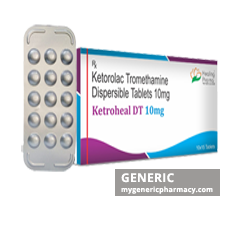
Buy Generic Toradol (Ketorolac) Online
Buy Most Prescribed Ketorolac – Now at 67% Discount.
About Generic Toradol® (Ketorolac)
Key Details
- Generic Toradol™ 10 mg for Anti-Inflammatory
- Buy online Generic Toradol™ 10mg (90 Pills), Toradol Cost, Price $30.00 at 67% Discount
- Strong non-opioid pain relief
- Rapid onset of action
- Useful for acute severe pain
How Generic Toradol Works
Generic Toradol rapidly relieves pain by suppressing inflammatory mediators responsible for nociception. It is especially effective for postoperative, renal colic, and musculoskeletal pain.
Because of its high potency, ketorolac is restricted to short-term use only. Prolonged therapy significantly increases the risk of gastrointestinal bleeding and renal toxicity.
Drug Info
KETOROLAC– ORAL (ke TOE roe lak)
Common Brand Name(s): Toradol™
Other name brands for this medication
Toradol IV/IM, Toradol IM, Sprix, Ketorol, Ketanov, Acular, Dentaforce, Acuvail, Cadolac, Kelac
Uses of Toradol
Ketorolac is used for the short-term treatment of moderate to severe pain in adults. It is usually used before or after medical procedures or after surgery. Reducing pain helps you recover more comfortably so that you can return to your normal daily activities. This medication is a nonsteroidal anti-inflammatory drug (NSAID). It works by blocking your body's production of certain natural substances that cause inflammation. This effect helps to decrease swelling, pain, or fever.
Ketorolac should not be used for mild or long-term painful conditions (such as arthritis).
Before Using Toradol
Before taking ketorolac, tell your doctor or pharmacist if you are allergic to it; or to aspirin or other nonsteroidal anti-inflammatory drugs-NSAIDs (such as ibuprofen, naproxen, celecoxib); or if you have any other allergies. This product may contain inactive ingredients, which can cause allergic reactions or other problems. Talk to your pharmacist for more details.
How to Use Toradol
Read the Medication Guide and, if available, the Patient Information Leaflet provided by your pharmacist before you start taking ketorolac and each time you get a refill. If you have any questions, ask your doctor or pharmacist.
Take this medication by mouth, usually every 4 to 6 hours with a full glass of water (8 ounces or 240 milliliters), or as directed by your doctor. Do not lie down for at least 10 minutes after taking this drug. If stomach upset occurs while taking this medication, take it with food, milk, or an antacid.
Dosage is based on your medical condition and response to treatment. To reduce your risk of stomach bleeding and other side effects, take this medication at the lowest effective dose for the shortest possible time. Do not increase your dose, take it more frequently, or take it for longer than 5 days. If you still have pain after 5 days, talk with your doctor about other medications you may use. Do not take more than 40 milligrams in a 24-hour period.
If you are taking this drug "as needed" (not on a regular schedule), remember that pain medications work best if they are used as the first signs of pain occur. If you wait until the pain has worsened, the medicine may not work as well. Tell your doctor if your condition worsens or if your pain is not relieved.
Side Effects of Toradol
Upset stomach, nausea, vomiting, constipation, diarrhea, gas, dizziness, or drowsiness may occur. If any of these effects persist or worsen, tell your doctor or pharmacist promptly. Remember that your doctor has prescribed this medication because he or she has judged that the benefit to you is greater than the risk of side effects. Many people using this medication do not have serious side effects.
Tell your doctor immediately if any of these unlikely but serious side effects occur: fainting, fast/pounding heartbeat, hearing changes (such as ringing in the ears), mental/mood changes (such as confusion, depression), persistent/severe headache, stomach pain, sudden/unexplained weight gain, swelling of the hands or feet, vision changes (such as blurred vision), unusual tiredness.
Tell your doctor immediately if any of these rare but serious side effects occur: easy bruising/bleeding, change in amount of urine, signs of infection (such as fever, chills, persistent sore throat), symptoms of meningitis (such as unexplained stiff neck, fever). This drug may rarely cause serious (possibly fatal) liver disease. Seek immediate medical attention if you have any symptoms of liver damage, including: dark urine, stomach/abdominal pain, persistent nausea/vomiting, yellowing eyes/skin.
A very serious allergic reaction to this drug is rare. However, seek immediate medical attention if you notice any symptoms of a serious allergic reaction, including: rash, itching/swelling (especially of the face/tongue/throat), severe dizziness, trouble breathing. This is not a complete list of possible side effects. If you notice other effects not listed above, contact your doctor or pharmacist.
Precautions
Before taking this medication, tell your doctor or pharmacist your medical history, especially of: asthma (including a history of worsening breathing after taking aspirin or other NSAIDs), bleeding or clotting problems, blood disorders (such as anemia), heart disease (such as previous heart attack), high blood pressure, liver disease, growths in the nose (nasal polyps), throat/stomach/intestinal problems (such as bleeding, heartburn, ulcers), stroke, swelling of the ankles/feet/hands.
Kidney problems can sometimes occur with the use of NSAID medications, including ketorolac. Problems are more likely to occur if you are dehydrated, have heart failure or kidney disease, are an older adult, or if you take certain medications (see also Drug Interactions section). Drink plenty of fluids as directed by your doctor to prevent dehydration and tell your doctor right away if you have any unusual change in the amount of urine. This drug may make you dizzy or drowsy. Do not drive, use machinery, or do any activity that requires alertness until you are sure you can perform such activities safely. Avoid alcoholic beverages.
This medicine may cause stomach/intestinal bleeding. Daily use of alcohol and tobacco, especially when combined with this medicine, may increase your risk for stomach bleeding. Limit alcohol and stop smoking. Consult your doctor or pharmacist for more information. This medication may infrequently make you more sensitive to the sun. Avoid prolonged sun exposure, tanning booths, and sunlamps. Use a sunscreen and wear protective clothing when outdoors.
Before having surgery, tell your doctor or dentist about all the products you use (including prescription drugs, nonprescription drugs, and herbal products). Older adults may be more sensitive to the effects of the drug, especially bleeding in the stomach/intestines or kidney problems. Using high doses for a long time may increase this risk.
Before using this medication, women of childbearing age should talk with their doctor(s) about the benefits and risks (such as miscarriage). Tell your doctor if you are pregnant or if you plan to become pregnant. During pregnancy, this medication should be used only when clearly needed. It is not recommended for use during the first and last trimesters of pregnancy due to possible harm to the unborn baby and interference with normal labor/delivery. This medication passes into breast milk. Consult your doctor before breast-feeding.
Drug Interactions
Drug interactions may change how your medications work or increase your risk for serious side effects. This document does not contain all possible drug interactions. Keep a list of all the products you use (including prescription/nonprescription drugs and herbal products) and share it with your doctor and pharmacist. Do not start, stop, or change the dosage of any medicines without your doctor's approval.
Some products that may interact with this drug include: aliskiren, ACE inhibitors (such as captopril, lisinopril), angiotensin II receptor blockers (such as losartan, valsartan), lithium, methotrexate, probenecid, corticosteroids (such as prednisone), other medications that may affect the kidneys (including cidofovir, "water pills"/diuretics such as furosemide).
This medication may increase the risk of bleeding when taken with other drugs that also may cause bleeding. Examples include anti-platelet drugs such as clopidogrel, "blood thinners" such as dabigatran/enoxaparin/warfarin, among others.
Check all prescription and nonprescription medicine labels carefully since many medications contain pain relievers/fever reducers (aspirin, NSAIDs such as ibuprofen or naproxen). These drugs are similar to ketorolac and may increase your risk of side effects if taken together. However, if your doctor has directed you to take low-dose aspirin to prevent heart attack or stroke (usually at dosages of 81-325 milligrams a day), you should continue taking the aspirin unless your doctor instructs you otherwise. Ask your doctor or pharmacist for more details.
Missed Dose
If you miss a dose, take it as soon as you remember. If it is near the time of the next dose, skip the missed dose and resume your usual dosing schedule. Do not double the dose to catch up.
Overdose
If overdose is suspected, contact a poison control center or emergency room immediately.
Storage
Store at room temperature away from light and moisture. Do not store in the bathroom. Keep all medications away from children and pets.
Cost of Toradol
The lowest MyGenericPharmacy.com price for the most common version of Toradol (Ketorolac) is around $0.33, 67% off the average online retailing price of $81.90.
What is Toradol / Ketorolac?
Toradol is a potent nonsteroidal anti-inflammatory drug (NSAID) used for short-term management of moderate to severe acute pain, often post-operative. It provides opioid-level analgesia without opioid dependence.
How Does Toradol Work?
Ketorolac inhibits cyclooxygenase (COX-1 and COX-2) enzymes, reducing prostaglandin synthesis. This results in strong analgesic and anti-inflammatory effects.
Benefits of Toradol
- Strong non-opioid pain relief
- Rapid onset of action
- Useful for acute severe pain
- Reduces opioid requirement
- Available IV, IM, and oral
Dosage & How to Use
- IV/IM: 15–30 mg every 6 hours
- Oral: 10 mg every 4–6 hours
- Maximum duration: ≤ 5 days (all routes combined)
- Maximum daily dose: 40 mg (oral)
- Use lowest effective dose
Side Effects & Precautions
Common side effects may include:
- Nausea
- Abdominal pain
- Dizziness
- Headache
Precautions:
- Do not exceed 5 days of therapy
- Avoid with other NSAIDs
- Ensure adequate hydration
- Monitor renal function
- Use caution in elderly
Who Should Not Take Toradol
- Active or history of GI bleeding or peptic ulcer
- Severe renal impairment
- Bleeding disorders or high bleeding risk
- Concurrent NSAID use
- Third trimester of pregnancy
- Hypersensitivity to ketorolac
Other Information of Toradol : DO NOT SHARE THIS MEDICINE with others for whom it was not prescribed. DO NOT USE THIS MEDICINE for other health conditions. KEEP THIS MEDICINE out of the reach of children. IF USING THIS MEDICINE FOR AN EXTENDED PERIOD OF TIME, obtain refills before your supply runs out.
MISSPELLINGS OF TORADOL :
Toradoll, Toradole, Toradial, Toradool, Toradul, Toradoc, Toradolx, Toradolz, Toradollz, Toradov, Toradul, Toradool, Toradale, Toradolc, Toradul, Toradolz,
Toradlo, Toradell, Toradulz, Toradale, Toradoln, Ketorolacc, Ketorolack, Ketorolacx, Ketorolace, Ketorolic, Ketorolak, Ketorollac, Ketorolacz, Ketorolacd, Ketoralac, Ketorolac, Ketorolacee, Ketorolacx, Ketorolacc, Keterolak,
Keterolack, Ketterolac, Kotorilac.
Buy Generic Toradol (Ketorolac) Online
Buy Most Prescribed Ketorolac – Now at 67% Discount.
About Generic Toradol® (Ketorolac)
Key Details
- Generic Toradol™ 10 mg for Anti-Inflammatory
- Buy online Generic Toradol™ 10mg (90 Pills), Toradol Cost, Price $30.00 at 67% Discount
- Strong non-opioid pain relief
- Rapid onset of action
- Useful for acute severe pain
How Generic Toradol Works
Generic Toradol rapidly relieves pain by suppressing inflammatory mediators responsible for nociception. It is especially effective for postoperative, renal colic, and musculoskeletal pain.
Because of its high potency, ketorolac is restricted to short-term use only. Prolonged therapy significantly increases the risk of gastrointestinal bleeding and renal toxicity.
Drug Info
KETOROLAC– ORAL (ke TOE roe lak)
Common Brand Name(s): Toradol™
Other name brands for this medication
Toradol IV/IM, Toradol IM, Sprix, Ketorol, Ketanov, Acular, Dentaforce, Acuvail, Cadolac, Kelac
Uses of Toradol
Ketorolac is used for the short-term treatment of moderate to severe pain in adults. It is usually used before or after medical procedures or after surgery. Reducing pain helps you recover more comfortably so that you can return to your normal daily activities. This medication is a nonsteroidal anti-inflammatory drug (NSAID). It works by blocking your body's production of certain natural substances that cause inflammation. This effect helps to decrease swelling, pain, or fever.
Ketorolac should not be used for mild or long-term painful conditions (such as arthritis).
Before Using Toradol
Before taking ketorolac, tell your doctor or pharmacist if you are allergic to it; or to aspirin or other nonsteroidal anti-inflammatory drugs-NSAIDs (such as ibuprofen, naproxen, celecoxib); or if you have any other allergies. This product may contain inactive ingredients, which can cause allergic reactions or other problems. Talk to your pharmacist for more details.
How to Use Toradol
Read the Medication Guide and, if available, the Patient Information Leaflet provided by your pharmacist before you start taking ketorolac and each time you get a refill. If you have any questions, ask your doctor or pharmacist.
Take this medication by mouth, usually every 4 to 6 hours with a full glass of water (8 ounces or 240 milliliters), or as directed by your doctor. Do not lie down for at least 10 minutes after taking this drug. If stomach upset occurs while taking this medication, take it with food, milk, or an antacid.
Dosage is based on your medical condition and response to treatment. To reduce your risk of stomach bleeding and other side effects, take this medication at the lowest effective dose for the shortest possible time. Do not increase your dose, take it more frequently, or take it for longer than 5 days. If you still have pain after 5 days, talk with your doctor about other medications you may use. Do not take more than 40 milligrams in a 24-hour period.
If you are taking this drug "as needed" (not on a regular schedule), remember that pain medications work best if they are used as the first signs of pain occur. If you wait until the pain has worsened, the medicine may not work as well. Tell your doctor if your condition worsens or if your pain is not relieved.
Side Effects of Toradol
Upset stomach, nausea, vomiting, constipation, diarrhea, gas, dizziness, or drowsiness may occur. If any of these effects persist or worsen, tell your doctor or pharmacist promptly. Remember that your doctor has prescribed this medication because he or she has judged that the benefit to you is greater than the risk of side effects. Many people using this medication do not have serious side effects.
Tell your doctor immediately if any of these unlikely but serious side effects occur: fainting, fast/pounding heartbeat, hearing changes (such as ringing in the ears), mental/mood changes (such as confusion, depression), persistent/severe headache, stomach pain, sudden/unexplained weight gain, swelling of the hands or feet, vision changes (such as blurred vision), unusual tiredness.
Tell your doctor immediately if any of these rare but serious side effects occur: easy bruising/bleeding, change in amount of urine, signs of infection (such as fever, chills, persistent sore throat), symptoms of meningitis (such as unexplained stiff neck, fever). This drug may rarely cause serious (possibly fatal) liver disease. Seek immediate medical attention if you have any symptoms of liver damage, including: dark urine, stomach/abdominal pain, persistent nausea/vomiting, yellowing eyes/skin.
A very serious allergic reaction to this drug is rare. However, seek immediate medical attention if you notice any symptoms of a serious allergic reaction, including: rash, itching/swelling (especially of the face/tongue/throat), severe dizziness, trouble breathing. This is not a complete list of possible side effects. If you notice other effects not listed above, contact your doctor or pharmacist.
Precautions
Before taking this medication, tell your doctor or pharmacist your medical history, especially of: asthma (including a history of worsening breathing after taking aspirin or other NSAIDs), bleeding or clotting problems, blood disorders (such as anemia), heart disease (such as previous heart attack), high blood pressure, liver disease, growths in the nose (nasal polyps), throat/stomach/intestinal problems (such as bleeding, heartburn, ulcers), stroke, swelling of the ankles/feet/hands.
Kidney problems can sometimes occur with the use of NSAID medications, including ketorolac. Problems are more likely to occur if you are dehydrated, have heart failure or kidney disease, are an older adult, or if you take certain medications (see also Drug Interactions section). Drink plenty of fluids as directed by your doctor to prevent dehydration and tell your doctor right away if you have any unusual change in the amount of urine. This drug may make you dizzy or drowsy. Do not drive, use machinery, or do any activity that requires alertness until you are sure you can perform such activities safely. Avoid alcoholic beverages.
This medicine may cause stomach/intestinal bleeding. Daily use of alcohol and tobacco, especially when combined with this medicine, may increase your risk for stomach bleeding. Limit alcohol and stop smoking. Consult your doctor or pharmacist for more information. This medication may infrequently make you more sensitive to the sun. Avoid prolonged sun exposure, tanning booths, and sunlamps. Use a sunscreen and wear protective clothing when outdoors.
Before having surgery, tell your doctor or dentist about all the products you use (including prescription drugs, nonprescription drugs, and herbal products). Older adults may be more sensitive to the effects of the drug, especially bleeding in the stomach/intestines or kidney problems. Using high doses for a long time may increase this risk.
Before using this medication, women of childbearing age should talk with their doctor(s) about the benefits and risks (such as miscarriage). Tell your doctor if you are pregnant or if you plan to become pregnant. During pregnancy, this medication should be used only when clearly needed. It is not recommended for use during the first and last trimesters of pregnancy due to possible harm to the unborn baby and interference with normal labor/delivery. This medication passes into breast milk. Consult your doctor before breast-feeding.
Drug Interactions
Drug interactions may change how your medications work or increase your risk for serious side effects. This document does not contain all possible drug interactions. Keep a list of all the products you use (including prescription/nonprescription drugs and herbal products) and share it with your doctor and pharmacist. Do not start, stop, or change the dosage of any medicines without your doctor's approval.
Some products that may interact with this drug include: aliskiren, ACE inhibitors (such as captopril, lisinopril), angiotensin II receptor blockers (such as losartan, valsartan), lithium, methotrexate, probenecid, corticosteroids (such as prednisone), other medications that may affect the kidneys (including cidofovir, "water pills"/diuretics such as furosemide).
This medication may increase the risk of bleeding when taken with other drugs that also may cause bleeding. Examples include anti-platelet drugs such as clopidogrel, "blood thinners" such as dabigatran/enoxaparin/warfarin, among others.
Check all prescription and nonprescription medicine labels carefully since many medications contain pain relievers/fever reducers (aspirin, NSAIDs such as ibuprofen or naproxen). These drugs are similar to ketorolac and may increase your risk of side effects if taken together. However, if your doctor has directed you to take low-dose aspirin to prevent heart attack or stroke (usually at dosages of 81-325 milligrams a day), you should continue taking the aspirin unless your doctor instructs you otherwise. Ask your doctor or pharmacist for more details.
Missed Dose
If you miss a dose, take it as soon as you remember. If it is near the time of the next dose, skip the missed dose and resume your usual dosing schedule. Do not double the dose to catch up.
Overdose
If overdose is suspected, contact a poison control center or emergency room immediately.
Storage
Store at room temperature away from light and moisture. Do not store in the bathroom. Keep all medications away from children and pets.
Cost of Toradol
The lowest MyGenericPharmacy.com price for the most common version of Toradol (Ketorolac) is around $0.33, 67% off the average online retailing price of $81.90.
What is Toradol / Ketorolac?
Toradol is a potent nonsteroidal anti-inflammatory drug (NSAID) used for short-term management of moderate to severe acute pain, often post-operative. It provides opioid-level analgesia without opioid dependence.
How Does Toradol Work?
Ketorolac inhibits cyclooxygenase (COX-1 and COX-2) enzymes, reducing prostaglandin synthesis. This results in strong analgesic and anti-inflammatory effects.
Benefits of Toradol
- Strong non-opioid pain relief
- Rapid onset of action
- Useful for acute severe pain
- Reduces opioid requirement
- Available IV, IM, and oral
Dosage & How to Use
- IV/IM: 15–30 mg every 6 hours
- Oral: 10 mg every 4–6 hours
- Maximum duration: ≤ 5 days (all routes combined)
- Maximum daily dose: 40 mg (oral)
- Use lowest effective dose
Side Effects & Precautions
Common side effects may include:
- Nausea
- Abdominal pain
- Dizziness
- Headache
Precautions:
- Do not exceed 5 days of therapy
- Avoid with other NSAIDs
- Ensure adequate hydration
- Monitor renal function
- Use caution in elderly
Who Should Not Take Toradol
- Active or history of GI bleeding or peptic ulcer
- Severe renal impairment
- Bleeding disorders or high bleeding risk
- Concurrent NSAID use
- Third trimester of pregnancy
- Hypersensitivity to ketorolac
Other Information of Toradol : DO NOT SHARE THIS MEDICINE with others for whom it was not prescribed. DO NOT USE THIS MEDICINE for other health conditions. KEEP THIS MEDICINE out of the reach of children. IF USING THIS MEDICINE FOR AN EXTENDED PERIOD OF TIME, obtain refills before your supply runs out.
MISSPELLINGS OF TORADOL :
Toradoll, Toradole, Toradial, Toradool, Toradul, Toradoc, Toradolx, Toradolz, Toradollz, Toradov, Toradul, Toradool, Toradale, Toradolc, Toradul, Toradolz,
Toradlo, Toradell, Toradulz, Toradale, Toradoln, Ketorolacc, Ketorolack, Ketorolacx, Ketorolace, Ketorolic, Ketorolak, Ketorollac, Ketorolacz, Ketorolacd, Ketoralac, Ketorolac, Ketorolacee, Ketorolacx, Ketorolacc, Keterolak,
Keterolack, Ketterolac, Kotorilac.