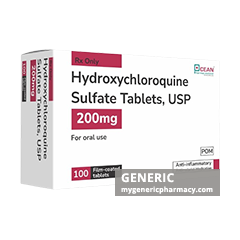
Buy Generic Quineprox (Hydroxychloroquine) Online
Buy Most Prescribed Hydroxychloroquine – Now at 54% Discount.
About Generic Quineprox® (Hydroxychloroquine)
Key Details
- Generic Quineprox™ 200 mg for Malaria
- Buy online Generic Quineprox™ 200mg (30 Pills), Quineprox Cost, Price $12.60 at 54% Discount
- Disease-modifying effect in rheumatoid arthritis
- Reduces lupus flares and improves survival
- Oral administration
How Generic Quineprox Works
In autoimmune diseases, hydroxychloroquine reduces inflammation by modulating immune cell signaling and decreasing cytokine release. It helps control joint inflammation, skin rashes, and systemic symptoms.
In malaria, it acts on the erythrocytic stage of chloroquine-sensitive parasites. It does not eliminate liver hypnozoites, so relapse prevention requires additional therapy (e.g., primaquine).
Drug Info
HYDROXYCHLOROQUINE– ORAL (hye DROX ee KLOR oh kween)
Common Brand Name(s): Quineprox™
Other name brands for this medication
Sovuna, HCQS, ZY-Q, Oxcq, Hqtor, Qdmrd, Cartiquin, Winflam, Hydroquin, Vohq, Orthokind
Uses of Quineprox
Hydroxychloroquine is used to prevent or treat malaria infections caused by mosquito bites. It does not work against certain types of malaria (chloroquine-resistant). The United States Center for Disease Control provides updated guidelines and travel recommendations for the prevention and treatment of malaria in different parts of the world. Discuss the most recent information with your doctor before traveling to areas where malaria occurs.
This medication is also used, usually with other medications, to treat certain auto-immune diseases (lupus, rheumatoid arthritis) when other medications have not worked or cannot be used. It belongs to a class of medications known as disease-modifying antirheumatic drugs (DMARDs). It can reduce skin problems in lupus and prevent swelling/pain in arthritis, though it is not known exactly how the drug works.
OTHER USES: This section contains uses of this drug that are not listed in the approved professional labeling for the drug, but may be prescribed by your health care professional. Use this drug for a condition that is listed in this section only if it has been so prescribed by your health care professional.
This medication may also be used for other types of infections (e.g., Q fever endocarditis).
Before Using Quineprox
Before taking hydroxychloroquine, tell your doctor or pharmacist if you are allergic to it; or to other aminoquinolines (e.g., chloroquine); or if you have any other allergies. This product may contain inactive ingredients, which can cause allergic reactions or other problems. Talk to your pharmacist for more details.
How to Use Quineprox
Hydroxychloroquine is usually taken with food or milk to prevent stomach upset. The dosage and length of treatment are based on your medical condition and response to therapy. In children, dosage is also based on weight. For malaria prevention, take this medication by mouth once a week on the same day of the week, or as directed by your doctor. Mark a calendar to help you remember. This drug is usually started 2 weeks before entering the area with malaria. Take it once weekly while in the area, and continue taking it for 4 to 8 weeks after leaving the area or as directed by your doctor. To treat malaria, follow your doctor's instructions.
For lupus or rheumatoid arthritis, take this medication by mouth, usually once or twice daily or as directed. Your doctor may gradually increase your dose. Once you have been taking the medication for a while and your condition has improved, your doctor may instruct you to lower your dose until you find the dose that works best with the fewest side effects.
Use this medication regularly in order to get the most benefit from it. If you are taking it on a daily schedule, take it at the same time each day. Take this medication exactly as prescribed. Do not stop taking it without talking with your doctor, especially if you are taking it for malaria. It is important to continue taking this for the length of time prescribed. Stopping prevention or treatment too soon may lead to infection or a return of the infection.
Inform your doctor if your condition persists or worsens. It may take several weeks or months to see improvement if you are taking this for lupus or arthritis. Hydroxychloroquine may not prevent malaria in all cases. If you experience fever or other symptoms of illness, seek immediate medical attention. You may need a different medication. Avoid exposure to mosquitoes. (See also Notes section.)
Side Effects of Quineprox
Nausea, stomach cramps, loss of appetite, diarrhea, dizziness, or headache may occur. If any of these effects persist or worsen, notify your doctor or pharmacist promptly. Remember that your doctor has prescribed this medication because he or she has judged that the benefit to you is greater than the risk of side effects. Many people using this medication do not have serious side effects.
Tell your doctor immediately if any of these unlikely but serious side effects occur: arm/leg/back pain, fast/irregular heartbeat, hair loss/color change, mental/mood changes (e.g., anxiety, depression, hallucinations), ringing in the ears/hearing loss, worsening of skin conditions (e.g., psoriasis).
This medication may infrequently cause serious (sometimes permanent) eye problems or muscle damage, especially if you take it for a long time. Seek immediate medical attention if any of these unlikely but very serious side effects occur: sensitivity to light, vision changes (e.g., blurred vision, seeing light flashes/streaks/halos, missing/blacked-out areas of vision), muscle weakness.
Tell your doctor immediately if any of these rare but very serious side effects occur: severe stomach/abdominal pain, severe nausea/vomiting, easy bleeding/bruising, signs of infection (e.g., fever, persistent sore throat), seizures, shortness of breath, swelling ankles/feet, extreme tiredness, dark urine, yellowing eyes/skin.
This medication may infrequently cause low blood sugar (hypoglycemia). Tell your doctor right away if you develop symptoms of low blood sugar, such as sudden sweating, shaking, fast heartbeat, hunger, blurred vision, dizziness, or tingling hands/feet. If you have diabetes, be sure to check your blood sugars regularly. Your doctor may need to adjust your diabetes medication.
A very serious allergic reaction is unlikely, but seek immediate medical attention if it occurs. Symptoms of a serious allergic reaction may include: rash, itching/swelling (especially of the face/tongue/throat), dizziness, trouble breathing. This is not a complete list of possible side effects. If you notice other effects not listed above, contact your doctor or pharmacist.
Precautions
This medication should not be used if you have certain medical conditions. Before using this medicine, consult your doctor or pharmacist if you have: certain eye problems (retinal or visual field problems from other aminoquinolines such as chloroquine).
Before using this medication, tell your doctor or pharmacist your medical history, especially of: alcohol dependency, certain blood disorder (porphyria), certain genetic problem (G-6-PD deficiency), diabetes, kidney disease, liver disease, certain skin problems (e.g., atopic dermatitis, psoriasis).
This drug may make you dizzy. Do not drive, use machinery, or do any activity that requires alertness until you are sure you can perform such activities safely. Avoid alcoholic beverages because they may increase your risk of liver problems while you are taking this drug. This medication may make you more sensitive to the sun. Avoid prolonged sun exposure, tanning booths, and sunlamps. Use a sunscreen and wear protective clothing when outdoors.
Caution is advised when using this drug in children because they may be more sensitive to the side effects of the drug. This medication is not recommended for long-term use in children. If a child accidentally takes this medication, even a small amount can be very harmful (possibly fatal). Be sure to keep this drug out of the reach of children.
This medication should be used only when clearly needed during pregnancy. This medication is not recommended for use in treating rheumatoid arthritis during pregnancy. Discuss the risks and benefits with your doctor. This medication passes into breast milk. Consult your doctor before breast-feeding.
Drug Interactions
Your healthcare professionals (e.g., doctor or pharmacist) may already be aware of any possible drug interactions and may be monitoring you for it. Do not start, stop or change the dosage of any medicine before checking with them first. This drug should not be used with the following medications because very serious interactions may occur: penicillamine. If you are currently using this medication, tell your doctor or pharmacist before starting hydroxychloroquine.
Before using this medication, tell your doctor or pharmacist of all prescription and nonprescription/herbal products you may use, especially of: digoxin, drugs that may be harmful to your liver (e.g., high doses of acetaminophen, isoniazid). Check the labels on all your medicines because they may contain acetaminophen. Ask your pharmacist about the safe use of those products.
This document does not contain all possible interactions. Therefore, before using this product, tell your doctor or pharmacist of all the products you use. Keep a list of all your medications with you, and share the list with your doctor and pharmacist.
Missed Dose
If you miss a dose, take it as soon as you remember. If it is near the time of the next dose, skip the missed dose and resume your usual dosing schedule. Do not double the dose to catch up.
Overdose
If overdose is suspected, contact a poison control center or emergency room immediately.
Storage
Store at room temperature away from light and moisture. Do not store in the bathroom. Keep all medications away from children and pets.
Cost of Quineprox
The lowest MyGenericPharmacy.com price for the most common version of Quineprox (Hydroxychloroquine) is around $0.42, 54% off the average online retailing price of $27.60.
What is Quineprox / Hydroxychloroquine?
Hydroxychloroquine is an antimalarial and immunomodulatory drug used to treat malaria, rheumatoid arthritis, and systemic lupus erythematosus (SLE). It is also commonly used for other autoimmune and dermatologic conditions.
How Does Quineprox Work?
Hydroxychloroquine accumulates in lysosomes and increases intracellular pH, interfering with antigen processing and immune activation. In malaria, it inhibits heme polymerization inside the parasite’s food vacuole, leading to parasite death.
Benefits of Quineprox
- Disease-modifying effect in rheumatoid arthritis
- Reduces lupus flares and improves survival
- Oral administration
- Generally well tolerated
- Useful for chloroquine-sensitive malaria
Dosage & How to Use
- Rheumatoid arthritis: 200–400 mg daily
- Lupus: 200–400 mg daily
- Malaria treatment: 800 mg initially, then 400 mg at 6, 24, and 48 hours
- Take with food or milk to reduce GI upset
- Long-term dose should not exceed 5 mg/kg/day (actual body weight) to reduce retinal toxicity risk
Side Effects & Precautions
Common side effects may include:
- Nausea
- Diarrhea
- Headache
- Skin rash
Precautions:
- Baseline and periodic ophthalmologic exams
- Adjust dose in renal impairment
- Monitor for cardiac risk (QT prolongation)
- Avoid overdose (especially dangerous in children)
Who Should Not Take Quineprox
- Pre-existing retinal or visual field changes
- Hypersensitivity to 4-aminoquinolines
- Severe psoriasis or porphyria
- Caution in cardiac conduction disorders
- Use carefully in G6PD deficiency
Other Information of Quineprox:
DO NOT SHARE THIS MEDICINE with others for whom it was not prescribed. DO NOT USE THIS MEDICINE for other health conditions. KEEP THIS MEDICINE out of the reach of children. IF USING THIS MEDICINE FOR AN EXTENDED PERIOD OF TIME, obtain refills before your supply runs out.
MISSPELLINGS OF QUINEPROX :
Hydroxycloroquine, Hydroxichloroquine, Hydroxychlorquine, Hydroxychloroquin, Hydrocloroquine, Hydrochloroquine, Hydroxycloroquin, Hydroxychloroquine, Hydroxylchloroquine, Hydroxychlorquine,
Hydroxichlorquine, Hydroxicloroquine, Hydroxichloroquin, Hydroxichlorokin,
Hydroxicloroquin, Hydroxichlorokwin, Hydroxycloroqueen.
Buy Generic Quineprox (Hydroxychloroquine) Online
Buy Most Prescribed Hydroxychloroquine – Now at 54% Discount.
About Generic Quineprox® (Hydroxychloroquine)
Key Details
- Generic Quineprox™ 200 mg for Malaria
- Buy online Generic Quineprox™ 200mg (30 Pills), Quineprox Cost, Price $12.60 at 54% Discount
- Disease-modifying effect in rheumatoid arthritis
- Reduces lupus flares and improves survival
- Oral administration
How Generic Quineprox Works
In autoimmune diseases, hydroxychloroquine reduces inflammation by modulating immune cell signaling and decreasing cytokine release. It helps control joint inflammation, skin rashes, and systemic symptoms.
In malaria, it acts on the erythrocytic stage of chloroquine-sensitive parasites. It does not eliminate liver hypnozoites, so relapse prevention requires additional therapy (e.g., primaquine).
Drug Info
HYDROXYCHLOROQUINE– ORAL (hye DROX ee KLOR oh kween)
Common Brand Name(s): Quineprox™
Other name brands for this medication
Sovuna, HCQS, ZY-Q, Oxcq, Hqtor, Qdmrd, Cartiquin, Winflam, Hydroquin, Vohq, Orthokind
Uses of Quineprox
Hydroxychloroquine is used to prevent or treat malaria infections caused by mosquito bites. It does not work against certain types of malaria (chloroquine-resistant). The United States Center for Disease Control provides updated guidelines and travel recommendations for the prevention and treatment of malaria in different parts of the world. Discuss the most recent information with your doctor before traveling to areas where malaria occurs.
This medication is also used, usually with other medications, to treat certain auto-immune diseases (lupus, rheumatoid arthritis) when other medications have not worked or cannot be used. It belongs to a class of medications known as disease-modifying antirheumatic drugs (DMARDs). It can reduce skin problems in lupus and prevent swelling/pain in arthritis, though it is not known exactly how the drug works.
OTHER USES: This section contains uses of this drug that are not listed in the approved professional labeling for the drug, but may be prescribed by your health care professional. Use this drug for a condition that is listed in this section only if it has been so prescribed by your health care professional.
This medication may also be used for other types of infections (e.g., Q fever endocarditis).
Before Using Quineprox
Before taking hydroxychloroquine, tell your doctor or pharmacist if you are allergic to it; or to other aminoquinolines (e.g., chloroquine); or if you have any other allergies. This product may contain inactive ingredients, which can cause allergic reactions or other problems. Talk to your pharmacist for more details.
How to Use Quineprox
Hydroxychloroquine is usually taken with food or milk to prevent stomach upset. The dosage and length of treatment are based on your medical condition and response to therapy. In children, dosage is also based on weight. For malaria prevention, take this medication by mouth once a week on the same day of the week, or as directed by your doctor. Mark a calendar to help you remember. This drug is usually started 2 weeks before entering the area with malaria. Take it once weekly while in the area, and continue taking it for 4 to 8 weeks after leaving the area or as directed by your doctor. To treat malaria, follow your doctor's instructions.
For lupus or rheumatoid arthritis, take this medication by mouth, usually once or twice daily or as directed. Your doctor may gradually increase your dose. Once you have been taking the medication for a while and your condition has improved, your doctor may instruct you to lower your dose until you find the dose that works best with the fewest side effects.
Use this medication regularly in order to get the most benefit from it. If you are taking it on a daily schedule, take it at the same time each day. Take this medication exactly as prescribed. Do not stop taking it without talking with your doctor, especially if you are taking it for malaria. It is important to continue taking this for the length of time prescribed. Stopping prevention or treatment too soon may lead to infection or a return of the infection.
Inform your doctor if your condition persists or worsens. It may take several weeks or months to see improvement if you are taking this for lupus or arthritis. Hydroxychloroquine may not prevent malaria in all cases. If you experience fever or other symptoms of illness, seek immediate medical attention. You may need a different medication. Avoid exposure to mosquitoes. (See also Notes section.)
Side Effects of Quineprox
Nausea, stomach cramps, loss of appetite, diarrhea, dizziness, or headache may occur. If any of these effects persist or worsen, notify your doctor or pharmacist promptly. Remember that your doctor has prescribed this medication because he or she has judged that the benefit to you is greater than the risk of side effects. Many people using this medication do not have serious side effects.
Tell your doctor immediately if any of these unlikely but serious side effects occur: arm/leg/back pain, fast/irregular heartbeat, hair loss/color change, mental/mood changes (e.g., anxiety, depression, hallucinations), ringing in the ears/hearing loss, worsening of skin conditions (e.g., psoriasis).
This medication may infrequently cause serious (sometimes permanent) eye problems or muscle damage, especially if you take it for a long time. Seek immediate medical attention if any of these unlikely but very serious side effects occur: sensitivity to light, vision changes (e.g., blurred vision, seeing light flashes/streaks/halos, missing/blacked-out areas of vision), muscle weakness.
Tell your doctor immediately if any of these rare but very serious side effects occur: severe stomach/abdominal pain, severe nausea/vomiting, easy bleeding/bruising, signs of infection (e.g., fever, persistent sore throat), seizures, shortness of breath, swelling ankles/feet, extreme tiredness, dark urine, yellowing eyes/skin.
This medication may infrequently cause low blood sugar (hypoglycemia). Tell your doctor right away if you develop symptoms of low blood sugar, such as sudden sweating, shaking, fast heartbeat, hunger, blurred vision, dizziness, or tingling hands/feet. If you have diabetes, be sure to check your blood sugars regularly. Your doctor may need to adjust your diabetes medication.
A very serious allergic reaction is unlikely, but seek immediate medical attention if it occurs. Symptoms of a serious allergic reaction may include: rash, itching/swelling (especially of the face/tongue/throat), dizziness, trouble breathing. This is not a complete list of possible side effects. If you notice other effects not listed above, contact your doctor or pharmacist.
Precautions
This medication should not be used if you have certain medical conditions. Before using this medicine, consult your doctor or pharmacist if you have: certain eye problems (retinal or visual field problems from other aminoquinolines such as chloroquine).
Before using this medication, tell your doctor or pharmacist your medical history, especially of: alcohol dependency, certain blood disorder (porphyria), certain genetic problem (G-6-PD deficiency), diabetes, kidney disease, liver disease, certain skin problems (e.g., atopic dermatitis, psoriasis).
This drug may make you dizzy. Do not drive, use machinery, or do any activity that requires alertness until you are sure you can perform such activities safely. Avoid alcoholic beverages because they may increase your risk of liver problems while you are taking this drug. This medication may make you more sensitive to the sun. Avoid prolonged sun exposure, tanning booths, and sunlamps. Use a sunscreen and wear protective clothing when outdoors.
Caution is advised when using this drug in children because they may be more sensitive to the side effects of the drug. This medication is not recommended for long-term use in children. If a child accidentally takes this medication, even a small amount can be very harmful (possibly fatal). Be sure to keep this drug out of the reach of children.
This medication should be used only when clearly needed during pregnancy. This medication is not recommended for use in treating rheumatoid arthritis during pregnancy. Discuss the risks and benefits with your doctor. This medication passes into breast milk. Consult your doctor before breast-feeding.
Drug Interactions
Your healthcare professionals (e.g., doctor or pharmacist) may already be aware of any possible drug interactions and may be monitoring you for it. Do not start, stop or change the dosage of any medicine before checking with them first. This drug should not be used with the following medications because very serious interactions may occur: penicillamine. If you are currently using this medication, tell your doctor or pharmacist before starting hydroxychloroquine.
Before using this medication, tell your doctor or pharmacist of all prescription and nonprescription/herbal products you may use, especially of: digoxin, drugs that may be harmful to your liver (e.g., high doses of acetaminophen, isoniazid). Check the labels on all your medicines because they may contain acetaminophen. Ask your pharmacist about the safe use of those products.
This document does not contain all possible interactions. Therefore, before using this product, tell your doctor or pharmacist of all the products you use. Keep a list of all your medications with you, and share the list with your doctor and pharmacist.
Missed Dose
If you miss a dose, take it as soon as you remember. If it is near the time of the next dose, skip the missed dose and resume your usual dosing schedule. Do not double the dose to catch up.
Overdose
If overdose is suspected, contact a poison control center or emergency room immediately.
Storage
Store at room temperature away from light and moisture. Do not store in the bathroom. Keep all medications away from children and pets.
Cost of Quineprox
The lowest MyGenericPharmacy.com price for the most common version of Quineprox (Hydroxychloroquine) is around $0.42, 54% off the average online retailing price of $27.60.
What is Quineprox / Hydroxychloroquine?
Hydroxychloroquine is an antimalarial and immunomodulatory drug used to treat malaria, rheumatoid arthritis, and systemic lupus erythematosus (SLE). It is also commonly used for other autoimmune and dermatologic conditions.
How Does Quineprox Work?
Hydroxychloroquine accumulates in lysosomes and increases intracellular pH, interfering with antigen processing and immune activation. In malaria, it inhibits heme polymerization inside the parasite’s food vacuole, leading to parasite death.
Benefits of Quineprox
- Disease-modifying effect in rheumatoid arthritis
- Reduces lupus flares and improves survival
- Oral administration
- Generally well tolerated
- Useful for chloroquine-sensitive malaria
Dosage & How to Use
- Rheumatoid arthritis: 200–400 mg daily
- Lupus: 200–400 mg daily
- Malaria treatment: 800 mg initially, then 400 mg at 6, 24, and 48 hours
- Take with food or milk to reduce GI upset
- Long-term dose should not exceed 5 mg/kg/day (actual body weight) to reduce retinal toxicity risk
Side Effects & Precautions
Common side effects may include:
- Nausea
- Diarrhea
- Headache
- Skin rash
Precautions:
- Baseline and periodic ophthalmologic exams
- Adjust dose in renal impairment
- Monitor for cardiac risk (QT prolongation)
- Avoid overdose (especially dangerous in children)
Who Should Not Take Quineprox
- Pre-existing retinal or visual field changes
- Hypersensitivity to 4-aminoquinolines
- Severe psoriasis or porphyria
- Caution in cardiac conduction disorders
- Use carefully in G6PD deficiency
Other Information of Quineprox:
DO NOT SHARE THIS MEDICINE with others for whom it was not prescribed. DO NOT USE THIS MEDICINE for other health conditions. KEEP THIS MEDICINE out of the reach of children. IF USING THIS MEDICINE FOR AN EXTENDED PERIOD OF TIME, obtain refills before your supply runs out.
MISSPELLINGS OF QUINEPROX :
Hydroxycloroquine, Hydroxichloroquine, Hydroxychlorquine, Hydroxychloroquin, Hydrocloroquine, Hydrochloroquine, Hydroxycloroquin, Hydroxychloroquine, Hydroxylchloroquine, Hydroxychlorquine,
Hydroxichlorquine, Hydroxicloroquine, Hydroxichloroquin, Hydroxichlorokin,
Hydroxicloroquin, Hydroxichlorokwin, Hydroxycloroqueen.