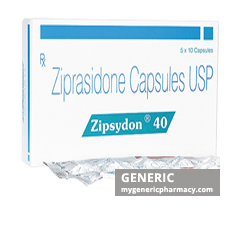
Buy Generic Geodon (Ziprasidone) Online
Buy Most Prescribed Ziprasidone – Now at 88% Discount.
About Generic Geodon® (Ziprasidone)
Key Details
- Generic Geodon™ 40 mg for Mental Health
- Buy online Generic Geodon™ 40 mg (30 Pills), Geodon Cost, Price $14.10 at 88% Discount
- Treats schizophrenia and bipolar disorder
- Lower risk of weight gain compared to some antipsychotics
- Helps stabilize mood
How Generic Geodon Works
After administration, ziprasidone antagonizes dopamine D2 receptors, reducing psychotic symptoms such as hallucinations and delusions. Its action on serotonin 5-HT2A receptors helps improve mood and reduces extrapyramidal side effects compared to typical antipsychotics.
Additionally, ziprasidone inhibits the reuptake of serotonin and norepinephrine, which may contribute to its antidepressant and mood-stabilizing effects. This makes it useful in both schizophrenia and bipolar disorder.
Drug Info
ZIPRASIDONE – ORAL (zi PRA si done)
Common Brand Name(s): Geodon™
Other name brands for this medication
Vertigon, Diziron, Cinzan, Cintigo, Dizikind, Cinadil, Cinvert, Vestable, Dizi
Uses of Geodon
This medication is used to treat certain mental/mood disorders (schizophrenia, bipolar disorder). This medication can decrease hallucinations and help you to think more clearly and positively about yourself, feel less agitated, and take a more active part in everyday life. Ziprasidone belongs to a class of drugs called atypical antipsychotics. It works by helping to restore the balance of certain natural substances in the brain.
OTHER USES :
This section contains uses of this drug that are not listed in the approved professional labeling for the drug but that may be prescribed by your health care professional. Use this drug for a condition that is listed in this section only if it has been so prescribed by your health care professional. This drug has also been used in combination with other medication to treat depression.
Before Using Geodon
Before taking ziprasidone, tell your doctor or pharmacist if you are allergic to it; or if you have any other allergies. This product may contain inactive ingredients, which can cause allergic reactions or other problems. Talk to your pharmacist for more details.
How to Use Geodon
Read the Patient Information Leaflet if available from your pharmacist before you start taking ziprasidone and each time you get a refill. If you have any questions, ask your doctor or pharmacist. Take this medication by mouth with food as directed by your doctor, usually twice daily.
The dosage is based on your medical condition and response to treatment. To reduce your risk of side effects, your doctor may direct you to start this medication at a low dose and gradually increase your dose. Follow your doctor's instructions carefully.
Take this medication regularly to get the most benefit from it. To help you remember, take it at the same time each day. It is important to continue taking this medication even if you feel well. Do not stop taking this medication without consulting your doctor. Tell your doctor if your condition persists or worsens.
Side Effects of Geodon
Drowsiness, dizziness, lightheadedness, weakness, nausea, vomiting, runny nose, and cough may occur. If any of these effects persist or worsen, tell your doctor promptly. To reduce the risk of dizziness and lightheadedness, get up slowly when rising from a sitting or lying position. Remember that your doctor has prescribed this medication because he or she has judged that the benefit to you is greater than the risk of side effects. Many people using this medication do not have serious side effects.
Tell your doctor right away if you have any serious side effects, including: difficulty swallowing, muscle spasms, shaking (tremor), mental/mood changes (such as restlessness), signs of infection (such as fever, persistent sore throat), vision changes. This drug may infrequently make your blood sugar level rise, which can cause or worsen diabetes. Tell your doctor immediately if you develop symptoms of high blood sugar, such as increased thirst and urination. If you already have diabetes, be sure to check your blood sugars regularly. Your doctor may need to adjust your diabetes medication, exercise program, or diet.
This drug may also rarely cause significant weight gain and a rise in your blood cholesterol (or triglyceride) levels. These effects, along with diabetes, may increase your risk for developing heart disease. Discuss the risks and benefits of treatment with your doctor. This drug may rarely cause a condition known as tardive dyskinesia. In some cases, this condition may be permanent. Tell your doctor immediately if you develop any unusual/uncontrolled movements (especially of the face, mouth, tongue, arms, or legs).
This medication may increase a certain natural substance (prolactin) made by your body. For females, this increase in prolactin may result in unwanted breast milk, missed/stopped periods, or difficulty becoming pregnant. For males, it may result in decreased sexual ability, inability to produce sperm, or enlarged breasts. If you develop any of these symptoms, tell your doctor immediately. Get medical help right away if you have any very serious side effects, including: severe dizziness, fainting, seizures, swollen lymph glands.
This medication may rarely cause a very serious condition called neuroleptic malignant syndrome (NMS). Get medical help right away if you have any of the following symptoms: fever, muscle stiffness/pain/tenderness/weakness, severe tiredness, severe confusion, sweating, fast/irregular heartbeat, dark urine, change in the amount of urine. Rarely, males may have a painful or prolonged erection lasting 4 or more hours. If this occurs, stop using this drug and get medical help right away, or permanent problems could occur.
A very serious allergic reaction to this drug is rare. However, get medical help right away if you notice any symptoms of a serious allergic reaction, including: rash, itching/swelling (especially of the face/tongue/throat), severe dizziness, trouble breathing. This is not a complete list of possible side effects. If you notice other effects not listed above, contact your doctor or pharmacist.
Precautions
Before using this medication, tell your doctor or pharmacist your medical history, especially of: dementia, seizures, low white blood cell count, difficulty swallowing, heart disease (such as coronary artery disease, irregular heartbeat), diabetes (including family history), obesity.
Ziprasidone may cause a condition that affects the heart rhythm (QT prolongation). QT prolongation can infrequently result in serious (rarely fatal) fast/irregular heartbeat and other symptoms (such as severe dizziness, fainting) that need medical attention right away.
The risk of QT prolongation may be increased if you have certain medical conditions or are taking other drugs that may cause QT prolongation. Before using ziprasidone, tell your doctor or pharmacist of all the drugs you take and if you have any of the following conditions: certain heart problems (heart failure, recent heart attack, slow heartbeat, QT prolongation in the EKG), family history of certain heart problems (QT prolongation in the EKG, sudden cardiac death).
Low levels of potassium or magnesium in the blood may also increase your risk of QT prolongation. This risk may increase if you use certain drugs (such as diuretics/"water pills") or if you have conditions such as severe sweating, diarrhea, or vomiting. Talk to your doctor about using ziprasidone safely. This drug may make you dizzy or drowsy. Do not drive, use machinery, or do any activity that requires alertness until you are sure you can perform such activities safely. Avoid alcoholic beverages.
Before having surgery, tell your doctor or dentist about all the products you use (including prescription drugs, nonprescription drugs, and herbal products). This medication may make you sweat less, making you more likely to get heat stroke. Avoid doing things that may cause you to overheat, such as hard work or exercise in hot weather, or using hot tubs. When the weather is hot, drink a lot of fluids and dress lightly. If you overheat, quickly look for a place to cool down and rest. Get medical help right away if you have a fever that does not go away, mental/mood changes, headache, or dizziness. Older adults may be more sensitive to the side effects of this drug, especially dizziness, uncontrolled movements, and QT prolongation (see above).
During pregnancy, this medication should be used only when clearly needed. Discuss the risks and benefits with your doctor. Do not stop taking this medication unless directed by your doctor. Babies born to mothers who have used this drug during the last 3 months of pregnancy may infrequently develop symptoms including muscle stiffness or shakiness, drowsiness, feeding/breathing difficulties, or constant crying. If you notice any of these symptoms in your newborn anytime during their first month, tell the doctor right away. It is unknown if this drug passes into breast milk. Because of the possible risk to the infant, breast-feeding while using this drug is not recommended. Consult your doctor before breast-feeding.
Drug Interactions
Drug interactions may change how your medications work or increase your risk for serious side effects. This document does not contain all possible drug interactions. Keep a list of all the products you use (including prescription/nonprescription drugs and herbal products) and share it with your doctor and pharmacist. Do not start, stop, or change the dosage of any medicines without your doctor's approval.
A product that may interact with this drug is: metoclopramide. Many drugs besides ziprasidone may affect the heart rhythm (QT prolongation), including amiodarone, dofetilide, moxifloxacin, pimozide, procainamide, quinidine, sotalol, tacrolimus, thioridazine, among others.
Tell your doctor or pharmacist if you are taking other products that cause drowsiness including alcohol, antihistamines (such as cetirizine, diphenhydramine), drugs for sleep or anxiety (such as alprazolam, diazepam, zolpidem), muscle relaxants, and narcotic pain relievers (such as codeine). Check the labels on all your medicines (such as allergy or cough-and-cold products) because they may contain ingredients that cause drowsiness. Ask your pharmacist about using those products safely.
Missed Dose
If you miss a dose, take it as soon as you remember. If it is near the time of the next dose, skip the missed dose and resume your usual dosing schedule. Do not double the dose to catch up.
Overdose
If overdose is suspected, contact your local poison control center or emergency room immediately. Symptoms of overdose may include nausea, vomiting, fast or irregular heartbeat, unusual drowsiness or dizziness, and loss of consciousness.
Storage
Store at room temperature away from light and moisture. Do not store in the bathroom. Keep all medications away from children and pets.
Cost of Geodon
The lowest MyGenericPharmacy.com price for the most common version of Geodon (Ziprasidone) is around $0.47, 88% off the average online retailing price of $124.80.
What is Geodon / Ziprasidone?
Geodon is a medication containing ziprasidone, used to treat schizophrenia and bipolar disorder. It is an atypical (second-generation) antipsychotic that helps control mood and psychotic symptoms.
How Does Geodon Work?
Ziprasidone blocks dopamine D2 and serotonin 5-HT2A receptors. It also inhibits serotonin and norepinephrine reuptake, contributing to mood stabilization.
Benefits of Geodon
- Treats schizophrenia and bipolar disorder
- Lower risk of weight gain compared to some antipsychotics
- Helps stabilize mood
- Available in oral and injectable forms
- Less metabolic side effects
Dosage & How to Use
- Taken orally as capsules or by intramuscular injection
- Oral doses usually given twice daily
- Must be taken with food (improves absorption)
- Dose adjusted based on response
- IM form used for acute agitation
Side Effects & Precautions
Common side effects may include:
- Drowsiness
- Dizziness
- Nausea
- Headache
- Restlessness
Precautions:
- Always take with food
- Monitor ECG (QT interval)
- Avoid in patients with heart rhythm disorders
- Use caution in elderly
- Avoid combining with other QT-prolonging drugs
Who Should Not Take Geodon
- Patients with known QT prolongation
- Individuals with recent myocardial infarction
- Patients with severe cardiac arrhythmias
- Hypersensitivity to ziprasidone
Other Information of Geodon :
DO NOT SHARE THIS MEDICINE with others for whom it was not prescribed. DO NOT USE THIS MEDICINE for other health conditions. KEEP THIS MEDICINE out of the reach of children. IF USING THIS MEDICINE FOR AN EXTENDED PERIOD OF TIME, obtain refills before your supply runs out.
MISSPELLINGS OF GEODON :
Geodon, Geodon, Geoden, Geodonn, Giodon, Geodan, Geodun, Geodoon, Geodn, Geodone, Geodonn, Gedon, Jiodon, Geoden, Jeodon, Geodun,
Giodon, Geodonn, Geodahn, Jeodun, Geodoon, Ziprasidone, Ziprasadone, Zyprazidone, Ziprazidone, Ziprasidon, Ziprasidome, Ziprasodone, Zypresidone, Ziprasodone, Ziprisidone, Ziprasdone, Ziprasidne, Ziprasidome, Ziprasadon,
Zypresidone, Ziprosidone, Zyprazoidone, Ziprasidonn, Zipresidone, Zyprazidone,
Ziprasidun, Zypresidon, Ziprassidone.
Buy Generic Geodon (Ziprasidone) Online
Buy Most Prescribed Ziprasidone – Now at 88% Discount.
About Generic Geodon® (Ziprasidone)
Key Details
- Generic Geodon™ 40 mg for Mental Health
- Buy online Generic Geodon™ 40 mg (30 Pills), Geodon Cost, Price $14.10 at 88% Discount
- Treats schizophrenia and bipolar disorder
- Lower risk of weight gain compared to some antipsychotics
- Helps stabilize mood
How Generic Geodon Works
After administration, ziprasidone antagonizes dopamine D2 receptors, reducing psychotic symptoms such as hallucinations and delusions. Its action on serotonin 5-HT2A receptors helps improve mood and reduces extrapyramidal side effects compared to typical antipsychotics.
Additionally, ziprasidone inhibits the reuptake of serotonin and norepinephrine, which may contribute to its antidepressant and mood-stabilizing effects. This makes it useful in both schizophrenia and bipolar disorder.
Drug Info
ZIPRASIDONE – ORAL (zi PRA si done)
Common Brand Name(s): Geodon™
Other name brands for this medication
Vertigon, Diziron, Cinzan, Cintigo, Dizikind, Cinadil, Cinvert, Vestable, Dizi
Uses of Geodon
This medication is used to treat certain mental/mood disorders (schizophrenia, bipolar disorder). This medication can decrease hallucinations and help you to think more clearly and positively about yourself, feel less agitated, and take a more active part in everyday life. Ziprasidone belongs to a class of drugs called atypical antipsychotics. It works by helping to restore the balance of certain natural substances in the brain.
OTHER USES :
This section contains uses of this drug that are not listed in the approved professional labeling for the drug but that may be prescribed by your health care professional. Use this drug for a condition that is listed in this section only if it has been so prescribed by your health care professional. This drug has also been used in combination with other medication to treat depression.
Before Using Geodon
Before taking ziprasidone, tell your doctor or pharmacist if you are allergic to it; or if you have any other allergies. This product may contain inactive ingredients, which can cause allergic reactions or other problems. Talk to your pharmacist for more details.
How to Use Geodon
Read the Patient Information Leaflet if available from your pharmacist before you start taking ziprasidone and each time you get a refill. If you have any questions, ask your doctor or pharmacist. Take this medication by mouth with food as directed by your doctor, usually twice daily.
The dosage is based on your medical condition and response to treatment. To reduce your risk of side effects, your doctor may direct you to start this medication at a low dose and gradually increase your dose. Follow your doctor's instructions carefully.
Take this medication regularly to get the most benefit from it. To help you remember, take it at the same time each day. It is important to continue taking this medication even if you feel well. Do not stop taking this medication without consulting your doctor. Tell your doctor if your condition persists or worsens.
Side Effects of Geodon
Drowsiness, dizziness, lightheadedness, weakness, nausea, vomiting, runny nose, and cough may occur. If any of these effects persist or worsen, tell your doctor promptly. To reduce the risk of dizziness and lightheadedness, get up slowly when rising from a sitting or lying position. Remember that your doctor has prescribed this medication because he or she has judged that the benefit to you is greater than the risk of side effects. Many people using this medication do not have serious side effects.
Tell your doctor right away if you have any serious side effects, including: difficulty swallowing, muscle spasms, shaking (tremor), mental/mood changes (such as restlessness), signs of infection (such as fever, persistent sore throat), vision changes. This drug may infrequently make your blood sugar level rise, which can cause or worsen diabetes. Tell your doctor immediately if you develop symptoms of high blood sugar, such as increased thirst and urination. If you already have diabetes, be sure to check your blood sugars regularly. Your doctor may need to adjust your diabetes medication, exercise program, or diet.
This drug may also rarely cause significant weight gain and a rise in your blood cholesterol (or triglyceride) levels. These effects, along with diabetes, may increase your risk for developing heart disease. Discuss the risks and benefits of treatment with your doctor. This drug may rarely cause a condition known as tardive dyskinesia. In some cases, this condition may be permanent. Tell your doctor immediately if you develop any unusual/uncontrolled movements (especially of the face, mouth, tongue, arms, or legs).
This medication may increase a certain natural substance (prolactin) made by your body. For females, this increase in prolactin may result in unwanted breast milk, missed/stopped periods, or difficulty becoming pregnant. For males, it may result in decreased sexual ability, inability to produce sperm, or enlarged breasts. If you develop any of these symptoms, tell your doctor immediately. Get medical help right away if you have any very serious side effects, including: severe dizziness, fainting, seizures, swollen lymph glands.
This medication may rarely cause a very serious condition called neuroleptic malignant syndrome (NMS). Get medical help right away if you have any of the following symptoms: fever, muscle stiffness/pain/tenderness/weakness, severe tiredness, severe confusion, sweating, fast/irregular heartbeat, dark urine, change in the amount of urine. Rarely, males may have a painful or prolonged erection lasting 4 or more hours. If this occurs, stop using this drug and get medical help right away, or permanent problems could occur.
A very serious allergic reaction to this drug is rare. However, get medical help right away if you notice any symptoms of a serious allergic reaction, including: rash, itching/swelling (especially of the face/tongue/throat), severe dizziness, trouble breathing. This is not a complete list of possible side effects. If you notice other effects not listed above, contact your doctor or pharmacist.
Precautions
Before using this medication, tell your doctor or pharmacist your medical history, especially of: dementia, seizures, low white blood cell count, difficulty swallowing, heart disease (such as coronary artery disease, irregular heartbeat), diabetes (including family history), obesity.
Ziprasidone may cause a condition that affects the heart rhythm (QT prolongation). QT prolongation can infrequently result in serious (rarely fatal) fast/irregular heartbeat and other symptoms (such as severe dizziness, fainting) that need medical attention right away.
The risk of QT prolongation may be increased if you have certain medical conditions or are taking other drugs that may cause QT prolongation. Before using ziprasidone, tell your doctor or pharmacist of all the drugs you take and if you have any of the following conditions: certain heart problems (heart failure, recent heart attack, slow heartbeat, QT prolongation in the EKG), family history of certain heart problems (QT prolongation in the EKG, sudden cardiac death).
Low levels of potassium or magnesium in the blood may also increase your risk of QT prolongation. This risk may increase if you use certain drugs (such as diuretics/"water pills") or if you have conditions such as severe sweating, diarrhea, or vomiting. Talk to your doctor about using ziprasidone safely. This drug may make you dizzy or drowsy. Do not drive, use machinery, or do any activity that requires alertness until you are sure you can perform such activities safely. Avoid alcoholic beverages.
Before having surgery, tell your doctor or dentist about all the products you use (including prescription drugs, nonprescription drugs, and herbal products). This medication may make you sweat less, making you more likely to get heat stroke. Avoid doing things that may cause you to overheat, such as hard work or exercise in hot weather, or using hot tubs. When the weather is hot, drink a lot of fluids and dress lightly. If you overheat, quickly look for a place to cool down and rest. Get medical help right away if you have a fever that does not go away, mental/mood changes, headache, or dizziness. Older adults may be more sensitive to the side effects of this drug, especially dizziness, uncontrolled movements, and QT prolongation (see above).
During pregnancy, this medication should be used only when clearly needed. Discuss the risks and benefits with your doctor. Do not stop taking this medication unless directed by your doctor. Babies born to mothers who have used this drug during the last 3 months of pregnancy may infrequently develop symptoms including muscle stiffness or shakiness, drowsiness, feeding/breathing difficulties, or constant crying. If you notice any of these symptoms in your newborn anytime during their first month, tell the doctor right away. It is unknown if this drug passes into breast milk. Because of the possible risk to the infant, breast-feeding while using this drug is not recommended. Consult your doctor before breast-feeding.
Drug Interactions
Drug interactions may change how your medications work or increase your risk for serious side effects. This document does not contain all possible drug interactions. Keep a list of all the products you use (including prescription/nonprescription drugs and herbal products) and share it with your doctor and pharmacist. Do not start, stop, or change the dosage of any medicines without your doctor's approval.
A product that may interact with this drug is: metoclopramide. Many drugs besides ziprasidone may affect the heart rhythm (QT prolongation), including amiodarone, dofetilide, moxifloxacin, pimozide, procainamide, quinidine, sotalol, tacrolimus, thioridazine, among others.
Tell your doctor or pharmacist if you are taking other products that cause drowsiness including alcohol, antihistamines (such as cetirizine, diphenhydramine), drugs for sleep or anxiety (such as alprazolam, diazepam, zolpidem), muscle relaxants, and narcotic pain relievers (such as codeine). Check the labels on all your medicines (such as allergy or cough-and-cold products) because they may contain ingredients that cause drowsiness. Ask your pharmacist about using those products safely.
Missed Dose
If you miss a dose, take it as soon as you remember. If it is near the time of the next dose, skip the missed dose and resume your usual dosing schedule. Do not double the dose to catch up.
Overdose
If overdose is suspected, contact your local poison control center or emergency room immediately. Symptoms of overdose may include nausea, vomiting, fast or irregular heartbeat, unusual drowsiness or dizziness, and loss of consciousness.
Storage
Store at room temperature away from light and moisture. Do not store in the bathroom. Keep all medications away from children and pets.
Cost of Geodon
The lowest MyGenericPharmacy.com price for the most common version of Geodon (Ziprasidone) is around $0.47, 88% off the average online retailing price of $124.80.
What is Geodon / Ziprasidone?
Geodon is a medication containing ziprasidone, used to treat schizophrenia and bipolar disorder. It is an atypical (second-generation) antipsychotic that helps control mood and psychotic symptoms.
How Does Geodon Work?
Ziprasidone blocks dopamine D2 and serotonin 5-HT2A receptors. It also inhibits serotonin and norepinephrine reuptake, contributing to mood stabilization.
Benefits of Geodon
- Treats schizophrenia and bipolar disorder
- Lower risk of weight gain compared to some antipsychotics
- Helps stabilize mood
- Available in oral and injectable forms
- Less metabolic side effects
Dosage & How to Use
- Taken orally as capsules or by intramuscular injection
- Oral doses usually given twice daily
- Must be taken with food (improves absorption)
- Dose adjusted based on response
- IM form used for acute agitation
Side Effects & Precautions
Common side effects may include:
- Drowsiness
- Dizziness
- Nausea
- Headache
- Restlessness
Precautions:
- Always take with food
- Monitor ECG (QT interval)
- Avoid in patients with heart rhythm disorders
- Use caution in elderly
- Avoid combining with other QT-prolonging drugs
Who Should Not Take Geodon
- Patients with known QT prolongation
- Individuals with recent myocardial infarction
- Patients with severe cardiac arrhythmias
- Hypersensitivity to ziprasidone
Other Information of Geodon :
DO NOT SHARE THIS MEDICINE with others for whom it was not prescribed. DO NOT USE THIS MEDICINE for other health conditions. KEEP THIS MEDICINE out of the reach of children. IF USING THIS MEDICINE FOR AN EXTENDED PERIOD OF TIME, obtain refills before your supply runs out.
MISSPELLINGS OF GEODON :
Geodon, Geodon, Geoden, Geodonn, Giodon, Geodan, Geodun, Geodoon, Geodn, Geodone, Geodonn, Gedon, Jiodon, Geoden, Jeodon, Geodun,
Giodon, Geodonn, Geodahn, Jeodun, Geodoon, Ziprasidone, Ziprasadone, Zyprazidone, Ziprazidone, Ziprasidon, Ziprasidome, Ziprasodone, Zypresidone, Ziprasodone, Ziprisidone, Ziprasdone, Ziprasidne, Ziprasidome, Ziprasadon,
Zypresidone, Ziprosidone, Zyprazoidone, Ziprasidonn, Zipresidone, Zyprazidone,
Ziprasidun, Zypresidon, Ziprassidone.