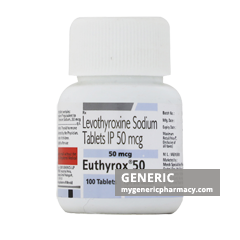
Buy Generic Synthroid (Levothyroxine) Online
Buy Most Prescribed Levothyroxine – Now at 58% Discount.
About Generic Synthroid® (Levothyroxine)
Key Details
- Generic Synthroid™ 50 mcg for Muscle Weakness
- Buy online Generic Synthroid™ 50 mcg (100 Pills), Synthroid Cost, Price $20.00 at 58% Discount
- Restores normal thyroid hormone levels
- Improves metabolism
- Reduces fatigue and weight gain
How Generic Synthroid Works
After oral administration, levothyroxine is absorbed and converted into triiodothyronine (T3), the active thyroid hormone. T3 then enters cells and binds to thyroid hormone receptors in the nucleus.
This interaction regulates the transcription of genes involved in metabolism, growth, and development. As a result, it normalizes metabolic processes that are slowed in hypothyroidism.
Drug Info
LEVOTHYROXINE – ORAL (lee-voe-thye-ROX-een)
Common Brand Name(s): Synthroid™
Other name brands for this medication
Synthyroid is a common misspelling of Synthroid (levothyroxine)
Ermeza, Levothroid, Levoxyl, Tirosint, Tirosint-Sol, Unithroid
Uses of Synthroid
This medicine is a thyroid hormone used to treat low thyroid levels. It may also be used to treat other conditions as determined by your doctor.
Before Using Synthroid
This medicine should not be used either alone or in combination with other medicines to treat obesity or for weight loss. Large doses of this medicine, especially when used with some other medicines for weight loss, may cause serious or life-threatening side effects. Some medicines or medical conditions may interact with this medicine. INFORM YOUR DOCTOR OR PHARMACIST of all prescription and over-the-counter medicine that you are taking. ADDITIONAL MONITORING OF YOUR DOSE OR CONDITION may be needed if you are taking glucocorticoids (such as dexamethasone or prednisone), amiodarone, iodide (including radiographic contrast agents containing iodine), lithium, propylthiouracil, methimazole, sulfonamides, tolbutamide, iron, estrogen products (including estrogen-containing birth control pills), high dose salicylates (such as aspirin), certain seizure medicines (such as phenobarbital, carbamazepine, phenytoin), rifampin, "blood thinners" such as warfarin, certain antidepressants (such as amitriptyline, maprotiline, sertraline), diabetes medicines (such as insulin, glipizide, rosiglitazone, nateglinide and metformin), digoxin, cytokines (such as interferon-alpha, interleukin-2), growth hormones, ketamine, certain radiographic agents, sympathomimetic medicines (such as pseudoephedrine or albuterol), raloxifene, certain sleep/anxiety medicines (including diazepam), metoclopramide, certain "water pills" (such as hydrochlorothiazide), or other thyroid medicines. DO NOT START OR STOP any medicine without doctor or pharmacist approval. Inform your doctor of any other medical conditions including heart problems (such as high blood pressure, congestive heart failure, irregular heartbeat, angina, or coronary artery disease), male or female infertility problems, bone loss (osteoporosis), other hormone disorders, other thyroid problems (such as goiter, nodular thyroid disease, or high thyroid levels), blood clotting disorders, diabetes, other auto-immune diseases, allergies, pregnancy, or breast-feeding. USE OF THIS MEDICINE IS NOT RECOMMENDED if you have a history of overactive thyroid condition (such as thyrotoxicosis), a recent heart attack, certain emergency thyroid conditions (myxedema coma), or certain adrenal gland problems. Contact your doctor or pharmacist if you have any questions or concerns about taking this medicine.
How to Use Synthroid
Follow the directions for taking this medicine provided by your doctor. Take this medicine on an empty stomach at least 1 hour before or 2 to 3 hours after eating. It is recommended that you take your dose 1 hour before breakfast unless otherwise directed by your doctor. TAKE THIS MEDICINE WITH A FULL GLASS OF WATER to reduce the risk of choking, gagging, or trouble swallowing when taking this medicine. FOR CHILDREN WHO CANNOT SWALLOW WHOLE TABLETS, crush the tablet and mix in 1 or 2 teaspoons (5 or 10 ml) of water, and give using a spoon or dropper as soon as possible after preparation. Do not store the mixture for later use. Do not mix crushed tablets in soybean infant formula. Consult your pharmacist for more information. Some medicines such as aluminum, calcium, or magnesium-containing antacids; simethicone; calcium supplements; iron; cholestyramine; colestipol; sucralfate; or sodium polystyrene sulfonate may decrease the absorption of this medicine into your bloodstream. Take this medicine at least 4 hours apart from these medicines. STORE THIS MEDICINE at room temperature in a tightly-closed container, away from heat, moisture, and light. Take this medicine regularly to receive the most benefit from it. Taking this medicine at the same time each day will help you to remember. CONTINUE TO TAKE THIS MEDICINE even if you feel well. Do not miss any doses. IF YOU MISS A DOSE OF THIS MEDICINE, take the missed dose if you remember the same day. Skip the missed dose if you do not remember until the next day and go back to your regular dosing schedule. DO NOT take 2 doses at once.
Side Effects of Synthroid
A SIDE EFFECT that may occur while taking this medicine is, in rare instances, some hair loss within the first few months of starting this medicine. This effect is usually temporary as your body adjusts to this medicine. If this effect persists or worsens, notify your doctor as soon as possible. CHECK WITH YOUR DOCTOR AS SOON AS POSSIBLE if you experience headache, nervousness, vomiting, diarrhea, irritability, trouble sleeping, changes in menstrual periods, leg cramps, trembling, excessive sweating, fever, sensitivity to heat, or unexplained changes in weight or appetite. CONTACT YOUR DOCTOR IMMEDIATELY if you experience chest pain, rapid or irregular heartbeat, or seizures. An allergic reaction to this medicine is unlikely, but seek immediate medical attention if it occurs. Symptoms of an allergic reaction include rash, itching, swelling, dizziness, or trouble breathing. If you notice other effects not listed above, contact your doctor or pharmacist.
Precautions
DO NOT TAKE THIS MEDICINE if you have had an allergic reaction to it or are allergic to any ingredient in this product. IT MAY TAKE SEVERAL WEEKS for this medicine to work. Do not stop taking this medicine without checking with your doctor. DO NOT EXCEED THE RECOMMENDED DOSE without checking with your doctor. Laboratory and/or medical tests, including thyroid function tests, may be performed to monitor your progress or to check for side effects. KEEP ALL DOCTOR AND LABORATORY APPOINTMENTS while you are taking this medicine. BEFORE YOU HAVE ANY MEDICAL OR DENTAL TREATMENTS, EMERGENCY CARE, OR SURGERY, tell the doctor or dentist that you are taking this medicine. BEFORE YOU BEGIN TAKING ANY NEW MEDICINE, either prescription or over-the-counter, check with your doctor or pharmacist. This includes calcium, magnesium, or aluminum-containing antacids; iron preparations; cough-and-cold products; or diet aids. Caution is advised when using this medicine in the elderly because they may be more sensitive to the effects of this medicine. Caution is advised when using this medicine in children because it may affect their growth and development. Consult your doctor for more information. FOR WOMEN: INFORM YOUR DOCTOR if you become pregnant, as your dose may need to be adjusted. THIS MEDICINE IS EXCRETED IN BREAST MILK. IF YOU ARE OR WILL BE BREAST-FEEDING while you are taking this medicine, check with your doctor or pharmacist to discuss the risks to your baby. IF YOU HAVE DIABETES, MONITOR BLOOD OR URINARY GLUCOSE on a regular basis, as directed by your doctor.
Drug Interactions
Drug interactions can result in unwanted side effects or prevent a medicine from doing its job. Use our drug interaction checker to find out if your medicines interact with each other. Check drug interactions.
Missed Dose
If you miss a dose, take it as soon as you remember. If it is near the time of the next dose, skip the missed dose and resume your usual dosing schedule. Do not double the dose to catch up.
Overdose
If overdose is suspected, contact your local poison control center or emergency room immediately. Symptoms of overdose may include nausea, vomiting, fast or irregular heartbeat, unusual drowsiness or dizziness, and loss of consciousness.
Storage
Store at room temperature away from light and moisture. Do not store in the bathroom. Keep all medications away from children and pets.
Cost of Synthroid
The lowest MyGenericPharmacy.com price for the most common version of Synthroid (Levothyroxine) is around $0.20, 58% off the average online retailing price of $48.54.
What is Synthroid / Levothyroxine?
Synthroid is a medication containing levothyroxine, a synthetic form of the thyroid hormone T4. It is used to treat hypothyroidism and restore normal metabolic activity in the body.
How Does Synthroid Work?
Levothyroxine is converted into the active hormone T3 in peripheral tissues. It binds to nuclear thyroid receptors and regulates gene expression to control metabolism.
Benefits of Synthroid
- Restores normal thyroid hormone levels
- Improves metabolism
- Reduces fatigue and weight gain
- Improves mood and energy
- Supports normal growth and development
Dosage & How to Use
- Taken orally as tablets
- Usual dose: individualized (commonly 25–150 mcg daily)
- Taken once daily on an empty stomach (morning)
- Take 30–60 minutes before food
- Avoid taking with calcium/iron supplements
- Requires regular TSH monitoring
Side Effects & Precautions
Common side effects may include:
- Palpitations
- Weight loss
- Anxiety
- Insomnia
- Increased appetite
Precautions:
- Monitor TSH levels regularly
- Start low dose in elderly or cardiac patients
- Avoid abrupt dose changes
- Take consistently at the same time daily
- Drug interactions (calcium, iron, antacids)
Who Should Not Take Synthroid
- Patients with untreated thyrotoxicosis
- Individuals with acute myocardial infarction (use caution)
- Patients with adrenal insufficiency (untreated)
Other Information of Synthroid :
DO NOT SHARE THIS MEDICINE with others for whom it was not prescribed. DO NOT USE THIS MEDICINE for other health conditions. KEEP THIS MEDICINE out of the reach of children and pets. IF YOU WILL BE USING THIS MEDICINE FOR AN EXTENDED PERIOD OF TIME, be sure to obtain necessary refills before your supply runs out.
MISSPELLINGS OF SYNTHROID :
Synthroid, Synthroide, Synthroiid, Sythroid, Synthriod, Synthroiid, Synthroidd, Synthroyd, Synhroid, Synthriod, Sinthroid, Synthrod, Synthroide, Synthroyd,
Sinthroid, Synthroide, Synthroyd, Synthrroid, Sythroid, Syntroid, Synthroiid, Levothyroxine, Levothryoxine, Levothyroxin, Levothyroxime, Levothryroxine, Levothyroxsine, Levotyroxine, Levothyroxxine, Levothryroxime, Levothyroxene, Levothyroxne, Levothryroxene, Levothiroxine.
Buy Generic Synthroid (Levothyroxine) Online
Buy Most Prescribed Levothyroxine – Now at 58% Discount.
About Generic Synthroid® (Levothyroxine)
Key Details
- Generic Synthroid™ 50 mcg for Muscle Weakness
- Buy online Generic Synthroid™ 50 mcg (100 Pills), Synthroid Cost, Price $20.00 at 58% Discount
- Restores normal thyroid hormone levels
- Improves metabolism
- Reduces fatigue and weight gain
How Generic Synthroid Works
After oral administration, levothyroxine is absorbed and converted into triiodothyronine (T3), the active thyroid hormone. T3 then enters cells and binds to thyroid hormone receptors in the nucleus.
This interaction regulates the transcription of genes involved in metabolism, growth, and development. As a result, it normalizes metabolic processes that are slowed in hypothyroidism.
Drug Info
LEVOTHYROXINE – ORAL (lee-voe-thye-ROX-een)
Common Brand Name(s): Synthroid™
Other name brands for this medication
Synthyroid is a common misspelling of Synthroid (levothyroxine)
Ermeza, Levothroid, Levoxyl, Tirosint, Tirosint-Sol, Unithroid
Uses of Synthroid
This medicine is a thyroid hormone used to treat low thyroid levels. It may also be used to treat other conditions as determined by your doctor.
Before Using Synthroid
This medicine should not be used either alone or in combination with other medicines to treat obesity or for weight loss. Large doses of this medicine, especially when used with some other medicines for weight loss, may cause serious or life-threatening side effects. Some medicines or medical conditions may interact with this medicine. INFORM YOUR DOCTOR OR PHARMACIST of all prescription and over-the-counter medicine that you are taking. ADDITIONAL MONITORING OF YOUR DOSE OR CONDITION may be needed if you are taking glucocorticoids (such as dexamethasone or prednisone), amiodarone, iodide (including radiographic contrast agents containing iodine), lithium, propylthiouracil, methimazole, sulfonamides, tolbutamide, iron, estrogen products (including estrogen-containing birth control pills), high dose salicylates (such as aspirin), certain seizure medicines (such as phenobarbital, carbamazepine, phenytoin), rifampin, "blood thinners" such as warfarin, certain antidepressants (such as amitriptyline, maprotiline, sertraline), diabetes medicines (such as insulin, glipizide, rosiglitazone, nateglinide and metformin), digoxin, cytokines (such as interferon-alpha, interleukin-2), growth hormones, ketamine, certain radiographic agents, sympathomimetic medicines (such as pseudoephedrine or albuterol), raloxifene, certain sleep/anxiety medicines (including diazepam), metoclopramide, certain "water pills" (such as hydrochlorothiazide), or other thyroid medicines. DO NOT START OR STOP any medicine without doctor or pharmacist approval. Inform your doctor of any other medical conditions including heart problems (such as high blood pressure, congestive heart failure, irregular heartbeat, angina, or coronary artery disease), male or female infertility problems, bone loss (osteoporosis), other hormone disorders, other thyroid problems (such as goiter, nodular thyroid disease, or high thyroid levels), blood clotting disorders, diabetes, other auto-immune diseases, allergies, pregnancy, or breast-feeding. USE OF THIS MEDICINE IS NOT RECOMMENDED if you have a history of overactive thyroid condition (such as thyrotoxicosis), a recent heart attack, certain emergency thyroid conditions (myxedema coma), or certain adrenal gland problems. Contact your doctor or pharmacist if you have any questions or concerns about taking this medicine.
How to Use Synthroid
Follow the directions for taking this medicine provided by your doctor. Take this medicine on an empty stomach at least 1 hour before or 2 to 3 hours after eating. It is recommended that you take your dose 1 hour before breakfast unless otherwise directed by your doctor. TAKE THIS MEDICINE WITH A FULL GLASS OF WATER to reduce the risk of choking, gagging, or trouble swallowing when taking this medicine. FOR CHILDREN WHO CANNOT SWALLOW WHOLE TABLETS, crush the tablet and mix in 1 or 2 teaspoons (5 or 10 ml) of water, and give using a spoon or dropper as soon as possible after preparation. Do not store the mixture for later use. Do not mix crushed tablets in soybean infant formula. Consult your pharmacist for more information. Some medicines such as aluminum, calcium, or magnesium-containing antacids; simethicone; calcium supplements; iron; cholestyramine; colestipol; sucralfate; or sodium polystyrene sulfonate may decrease the absorption of this medicine into your bloodstream. Take this medicine at least 4 hours apart from these medicines. STORE THIS MEDICINE at room temperature in a tightly-closed container, away from heat, moisture, and light. Take this medicine regularly to receive the most benefit from it. Taking this medicine at the same time each day will help you to remember. CONTINUE TO TAKE THIS MEDICINE even if you feel well. Do not miss any doses. IF YOU MISS A DOSE OF THIS MEDICINE, take the missed dose if you remember the same day. Skip the missed dose if you do not remember until the next day and go back to your regular dosing schedule. DO NOT take 2 doses at once.
Side Effects of Synthroid
A SIDE EFFECT that may occur while taking this medicine is, in rare instances, some hair loss within the first few months of starting this medicine. This effect is usually temporary as your body adjusts to this medicine. If this effect persists or worsens, notify your doctor as soon as possible. CHECK WITH YOUR DOCTOR AS SOON AS POSSIBLE if you experience headache, nervousness, vomiting, diarrhea, irritability, trouble sleeping, changes in menstrual periods, leg cramps, trembling, excessive sweating, fever, sensitivity to heat, or unexplained changes in weight or appetite. CONTACT YOUR DOCTOR IMMEDIATELY if you experience chest pain, rapid or irregular heartbeat, or seizures. An allergic reaction to this medicine is unlikely, but seek immediate medical attention if it occurs. Symptoms of an allergic reaction include rash, itching, swelling, dizziness, or trouble breathing. If you notice other effects not listed above, contact your doctor or pharmacist.
Precautions
DO NOT TAKE THIS MEDICINE if you have had an allergic reaction to it or are allergic to any ingredient in this product. IT MAY TAKE SEVERAL WEEKS for this medicine to work. Do not stop taking this medicine without checking with your doctor. DO NOT EXCEED THE RECOMMENDED DOSE without checking with your doctor. Laboratory and/or medical tests, including thyroid function tests, may be performed to monitor your progress or to check for side effects. KEEP ALL DOCTOR AND LABORATORY APPOINTMENTS while you are taking this medicine. BEFORE YOU HAVE ANY MEDICAL OR DENTAL TREATMENTS, EMERGENCY CARE, OR SURGERY, tell the doctor or dentist that you are taking this medicine. BEFORE YOU BEGIN TAKING ANY NEW MEDICINE, either prescription or over-the-counter, check with your doctor or pharmacist. This includes calcium, magnesium, or aluminum-containing antacids; iron preparations; cough-and-cold products; or diet aids. Caution is advised when using this medicine in the elderly because they may be more sensitive to the effects of this medicine. Caution is advised when using this medicine in children because it may affect their growth and development. Consult your doctor for more information. FOR WOMEN: INFORM YOUR DOCTOR if you become pregnant, as your dose may need to be adjusted. THIS MEDICINE IS EXCRETED IN BREAST MILK. IF YOU ARE OR WILL BE BREAST-FEEDING while you are taking this medicine, check with your doctor or pharmacist to discuss the risks to your baby. IF YOU HAVE DIABETES, MONITOR BLOOD OR URINARY GLUCOSE on a regular basis, as directed by your doctor.
Drug Interactions
Drug interactions can result in unwanted side effects or prevent a medicine from doing its job. Use our drug interaction checker to find out if your medicines interact with each other. Check drug interactions.
Missed Dose
If you miss a dose, take it as soon as you remember. If it is near the time of the next dose, skip the missed dose and resume your usual dosing schedule. Do not double the dose to catch up.
Overdose
If overdose is suspected, contact your local poison control center or emergency room immediately. Symptoms of overdose may include nausea, vomiting, fast or irregular heartbeat, unusual drowsiness or dizziness, and loss of consciousness.
Storage
Store at room temperature away from light and moisture. Do not store in the bathroom. Keep all medications away from children and pets.
Cost of Synthroid
The lowest MyGenericPharmacy.com price for the most common version of Synthroid (Levothyroxine) is around $0.20, 58% off the average online retailing price of $48.54.
What is Synthroid / Levothyroxine?
Synthroid is a medication containing levothyroxine, a synthetic form of the thyroid hormone T4. It is used to treat hypothyroidism and restore normal metabolic activity in the body.
How Does Synthroid Work?
Levothyroxine is converted into the active hormone T3 in peripheral tissues. It binds to nuclear thyroid receptors and regulates gene expression to control metabolism.
Benefits of Synthroid
- Restores normal thyroid hormone levels
- Improves metabolism
- Reduces fatigue and weight gain
- Improves mood and energy
- Supports normal growth and development
Dosage & How to Use
- Taken orally as tablets
- Usual dose: individualized (commonly 25–150 mcg daily)
- Taken once daily on an empty stomach (morning)
- Take 30–60 minutes before food
- Avoid taking with calcium/iron supplements
- Requires regular TSH monitoring
Side Effects & Precautions
Common side effects may include:
- Palpitations
- Weight loss
- Anxiety
- Insomnia
- Increased appetite
Precautions:
- Monitor TSH levels regularly
- Start low dose in elderly or cardiac patients
- Avoid abrupt dose changes
- Take consistently at the same time daily
- Drug interactions (calcium, iron, antacids)
Who Should Not Take Synthroid
- Patients with untreated thyrotoxicosis
- Individuals with acute myocardial infarction (use caution)
- Patients with adrenal insufficiency (untreated)
Other Information of Synthroid :
DO NOT SHARE THIS MEDICINE with others for whom it was not prescribed. DO NOT USE THIS MEDICINE for other health conditions. KEEP THIS MEDICINE out of the reach of children and pets. IF YOU WILL BE USING THIS MEDICINE FOR AN EXTENDED PERIOD OF TIME, be sure to obtain necessary refills before your supply runs out.
MISSPELLINGS OF SYNTHROID :
Synthroid, Synthroide, Synthroiid, Sythroid, Synthriod, Synthroiid, Synthroidd, Synthroyd, Synhroid, Synthriod, Sinthroid, Synthrod, Synthroide, Synthroyd,
Sinthroid, Synthroide, Synthroyd, Synthrroid, Sythroid, Syntroid, Synthroiid, Levothyroxine, Levothryoxine, Levothyroxin, Levothyroxime, Levothryroxine, Levothyroxsine, Levotyroxine, Levothyroxxine, Levothryroxime, Levothyroxene, Levothyroxne, Levothryroxene, Levothiroxine.
FAQ
1. What is Levothyroxine (Synthroid) and what is it used for?
Levothyroxine is a medicinal drug available to us under the brand name Synthroid that belongs to a class of medication called hormones. This medicine is used for the treatment of a condition where the thyroid gland is unable to produce the required amount of hormone in the body also called hypothyroidism. Levothyroxine provides the remaining important thyroid hormones to the body to maintain growth, development and metabolism of the body.
2. When and how to use Levothyroxine?
Levothyroxine comes in a form of pill that must be taken by mouth usually half an hour before breakfast once a day daily. Swallow the capsules whole rather than crushing or chewing it. The dosage is based on your age, weight, medical condition and response of illness to the medicine. Try to take this medicine at the same time regularly to get the most benefit of it. do not stop taking this medication or resume the same dosage after a while without consulting with your doctor. If you are taking any other drug, ideally take it in a gap of 4 hours at least. Follow the leaflet prescription and doctor's guideline carefully.
3. What are side effects of Levothyroxine?
Some common side effects observed while medicating with Levothyroxine are excessive sweating, nervousness, hyperactivity, weight loss, heat sensitivity, increased appetite, headache, mood swings, anxiety, trouble sleeping, irritability, tremors, hair loss (usually temporary), vomiting, diarrhea, tiredness, stomach cramps etc. There are also some severe side effects that must get medical attention immediately like very fast heart rate, Irregular heart rhythm, shortness of breath, discomfort in your upper body, chest pain, unexpected weight gain, swelling in your legs, ankles, or feet etc
4. How effective is Levothyroxine?
Levothyroxine is considered as a safe and effective long term medication for the treatment of hypothyroidism. Skipping this medicine for a while may trigger the physical and mental symptoms of the body. It is recommended to follow a routine checkup by your doctor and inform them promptly in case of any exceptions.
5. How quickly does Levothyroxine work?
Initially, you may feel discomfort while medicating with this medicine for a few days or a couple of weeks but you will notice the effects on symptoms within a month. The medicine takes 4-6 weeks of daily medication to deliver its peak effects.
6. Is Levothyroxine bad for you?
Medication with Levothyroxine could cause an increased risk of severe heart problems such as heart failure, heart attack, abnormal heart rhythm, etc in people dealing with heart problems. One must inform the doctor regarding their heart condition before medicating with Levothyroxine.
7. What precautions must be taken before medicating with levothyroxine?
Before starting the medication with levothyroxine, one must inform the doctor regarding allergies related to it, or any other allergies as these products may contain some ingredient that causes an allergic reaction inside your body. Inform your doctor if you have a medical history related to heart diseases, diabetes, high blood pressure, increased thyroid hormones, decreased adrenal gland functions, etc. Inform your doctor regarding all the products you use including herbal, prescribed, and non-prescribed medicine before undergoing any surgery.
8. Can Levothyroxine cause weight loss?
Levothyroxine is generally not an effective medicine to be used for weight loss. Therefore, must not be used as a medicine to treat obesity or to lose weight. Consumption of a large amount of medicine could cause severe side effects. The medicine can also sometimes cause infertility in men and women.
9. Can I take levothyroxine with coffee?
According to research, people taking levothyroxine along with coffee results in affected absorption of medicine in the body. However, one could consume coffee with an interval of at least 1 hour before or after the medicine.
10. Do I have to take levothyroxine for the rest of my life?
An underactive thyroid is unfortunately a lifelong condition. So, medicine such as levothyroxine needs to be taken for the rest of the life. Such kind of condition comes with a medical exemption certificate which is free for a prescription.
11. Does levothyroxine cause hair loss?
Along with several other side effects observed during levothyroxine medication, treatment of underactive thyroid by this medicine is associated with some hair loss. Also, this effect is more commonly observed during the first month of treatment, especially in younger people or children.
12. Can a pregnant woman use levothyroxine?
levothyroxine is a kind of medicine that could be used when needed during pregnancy. One must consult with their health professional before medicating with levothyroxine. Also, the medicine gets passed on to breast milk and could cause an undesirable effect on the nursing infant. Consult your doctor before breastfeeding the baby.
13. What foods should you avoid when taking levothyroxine?
Absorption of levothyroxine could get affected by food products such as cottonseed meal, dietary fiber, calcium-fortified juices, soybean, walnuts, calcium, etc. There must be an interval of several hours between these food products and levothyroxine.