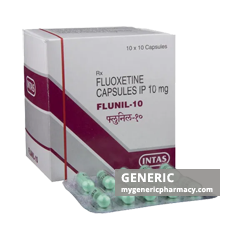
Buy Generic Prozac (Fluoxetine) Online
Buy Most Prescribed Fluoxetine – Now at 79% Discount.
About Generic Prozac® (Fluoxetine)
Key Details
- Generic Prozac™ 10mg for Depression
- Buy online Generic Prozac™ 10 mg (60 Pills), Prozac Cost, Price $13.50 at 79% Discount
- Reduces depression and anxiety symptoms
- Improves mood, sleep, and daily functioning
- Supports emotional stability
How Generic Prozac Works
Generic Prozac (Fluoxetine) works by increasing serotonin levels in the brain. It blocks the reuptake (reabsorption) of serotonin into nerve cells, which allows more serotonin to stay active in the brain’s communication pathways. This improves mood regulation and emotional stability.
By boosting serotonin, fluoxetine helps reduce depression, anxiety, panic symptoms, and OCD-related thoughts. It improves mood, increases motivation, reduces negative thinking, and helps create a more balanced emotional state.
Overall, Generic Prozac works by restoring healthy serotonin balance, which leads to better mood, calmer thoughts, improved daily functioning, and long-term emotional well-being.
Drug Info
FLUOXETINE– ORAL (flu-oxe-tine)
Common Brand Name(s): Prozac™
Other name brands for this medication
Sarafem, Prozac Weekly, Rapiflux, Selfemra, Fludac, Flunil, Prodep, Floatin
Uses of Prozac
Fluoxetine is used to treat depression, panic attacks, obsessive compulsive disorder, a certain eating disorder (bulimia), and a severe form of premenstrual syndrome (premenstrual dysphoric disorder).
This medication may improve your mood, sleep, appetite, and energy level and may help restore your interest in daily living. It may decrease fear, anxiety, unwanted thoughts, and the number of panic attacks. It may also reduce the urge to perform repeated tasks (compulsions such as hand-washing, counting, and checking) that interfere with daily living. Fluoxetine may lessen premenstrual symptoms such as irritability, increased appetite, and depression. It may decrease binging and purging behaviors in bulimia.
Before Using Prozac
Before taking fluoxetine, tell your doctor or pharmacist if you are allergic to it; or if you have any other allergies. This product may contain inactive ingredients, which can cause allergic reactions or other problems. Talk to your pharmacist for more details.
How to Use Prozac
Read the Medication Guide provided by your pharmacist before you start using fluoxetine and each time you get a refill. If you have any questions, ask your doctor or pharmacist.
Take this medication by mouth as directed by your doctor, usually once daily in the morning. If you are taking this medication twice a day, your doctor may direct you to take it in the morning and at noon.
If you are taking fluoxetine for premenstrual problems, your doctor may direct you to take it every day of the month or just for the 2 weeks before your period through the first full day of your period. To help you remember, mark your calendar.
If you are using the liquid form of this medication, measure the dose carefully using a special measuring device/spoon. Do not use a household spoon because you may not get the correct dose.
The dosage is based on your medical condition and response to treatment. To reduce your risk of side effects, your doctor may direct you to start this medication at a low dose and gradually increase your dose. Follow your doctor's instructions carefully. Take this medication regularly to get the most benefit from it. To help you remember, take it at the same time each day.
It is important to continue taking this medication as prescribed even if you feel well. Do not stop taking this medication without first consulting your doctor. Some conditions may become worse when the drug is abruptly stopped. Your dose may need to be gradually decreased.
You should see some improvement in 1 to 2 weeks. It may take 4 to 5 weeks before you feel the full benefit.
Tell your doctor if your condition does not improve or if it worsens.
Side Effects of Prozac
Nausea, drowsiness, dizziness, anxiety, trouble sleeping, loss of appetite, tiredness, sweating, or yawning may occur. If any of these effects persist or worsen, tell your doctor promptly.
Remember that your doctor has prescribed this medication because he or she has judged that the benefit to you is greater than the risk of side effects. Many people using this medication do not have serious side effects.
Tell your doctor right away if any of these unlikely but serious side effects occur: unusual or severe mental/mood changes (such as agitation, unusual high energy/excitement, thoughts of suicide), easy bruising/bleeding, muscle weakness/spasm, shakiness (tremor), decreased interest in sex, changes in sexual ability, unusual weight loss.
Get medical help right away if you have any very serious side effects, including: bloody/black/tarry stools, vomit that looks like coffee grounds, fast/irregular heartbeat, fainting, seizures, signs of kidney problems (such as change in the amount of urine), eye pain/swelling/redness, widened pupils, vision changes (such as seeing rainbows around lights at night, blurred vision).
If you have diabetes, fluoxetine may affect your blood sugar levels. Monitor your blood sugar regularly and share the results with your doctor. Your doctor may need to adjust your medication, diet, and exercise when you start or stop fluoxetine.
This medication may increase serotonin and rarely cause a very serious condition called serotonin syndrome/toxicity. The risk increases if you are also taking other drugs that increase serotonin, so tell your doctor or pharmacist of all the drugs you take (see Drug Interactions section). Get medical help right away if you develop some of the following symptoms: fast heartbeat, hallucinations, loss of coordination, severe dizziness, severe nausea/vomiting/diarrhea, twitching muscles, unexplained fever, unusual agitation/restlessness.
Rarely, males may have a painful or prolonged erection lasting 4 or more hours. If this occurs, stop using this drug and get medical help right away, or permanent problems could occur.
A very serious allergic reaction to this drug is rare. However, get medical help right away if you notice any symptoms of a serious allergic reaction, including: rash, itching/swelling (especially of the face/tongue/throat), severe dizziness, trouble breathing.
This is not a complete list of possible side effects. If you notice other effects not listed above, contact your doctor or pharmacist.
Precautions
Before using this medication, tell your doctor or pharmacist your medical history, especially of: personal or family history of bipolar/manic-depressive disorder, personal or family history of suicide attempts, liver problems, diabetes, low sodium in the blood (such as may occur while taking "water pills" - diuretics), severe loss of body water (dehydration), seizures, stomach/intestinal ulcers, personal or family history of glaucoma (angle-closure type).
This drug may make you dizzy or drowsy. Do not drive, use machinery, or do any activity that requires alertness until you are sure you can perform such activities safely. Avoid alcoholic beverages.
Fluoxetine may cause a condition that affects the heart rhythm (QT prolongation). QT prolongation can rarely cause serious (rarely fatal) fast/irregular heartbeat and other symptoms (such as severe dizziness, fainting) that need medical attention right away.
The risk of QT prolongation may be increased if you have certain medical conditions or are taking other drugs that may cause QT prolongation. Before using fluoxetine, tell your doctor or pharmacist of all the drugs you take and if you have any of the following conditions: certain heart problems (heart failure, slow heartbeat, QT prolongation in the EKG), family history of certain heart problems (QT prolongation in the EKG, sudden cardiac death).
Low levels of potassium or magnesium in the blood may also increase your risk of QT prolongation. This risk may increase if you use certain drugs (such as diuretics/"water pills") or if you have conditions such as severe sweating, diarrhea, or vomiting. Talk to your doctor about using this medication safely.
The liquid form of this medication contains alcohol. Caution is advised if you have diabetes, alcohol dependence, or liver disease. Some medications (such as metronidazole, disulfiram) can cause a serious reaction when combined with alcohol. Ask your doctor or pharmacist about using this product safely.
Before having surgery, tell your doctor or dentist about all the products you use (including prescription drugs, nonprescription drugs, and herbal products).
Older adults may be more sensitive to the side effects of this drug, especially bleeding and QT prolongation (see above). Older adults may also be more likely to develop low sodium in the blood, especially if they are taking "water pills" (diuretics).
During pregnancy, this medication should be used only when clearly needed. It may harm an unborn baby. Also, babies born to mothers who have used this drug during the last 3 months of pregnancy may rarely develop withdrawal symptoms such as feeding/breathing difficulties, seizures, muscle stiffness, or constant crying. If you notice any of these symptoms in your newborn, tell the doctor promptly.
Since untreated mental/mood problems (such as depression, panic attacks, obsessive compulsive disorder) can be a serious condition, do not stop taking this medication unless directed by your doctor. If you are planning pregnancy, become pregnant, or think you may be pregnant, immediately discuss the benefits and risks of using this medication during pregnancy with your doctor.
This drug may pass into breast milk and could have undesirable effects on a nursing infant. Consult your doctor before breast-feeding.
Drug Interactions
Drug interactions may change how your medications work or increase your risk for serious side effects. This document does not contain all possible drug interactions. Keep a list of all the products you use (including prescription/nonprescription drugs and herbal products) and share it with your doctor and pharmacist. Do not start, stop, or change the dosage of any medicines without your doctor's approval.
Fluoxetine can stay in your body for many weeks after your last dose and may interact with many other medications. Before using any medication, tell your doctor or pharmacist if you have taken fluoxetine in the previous 5 weeks.
Some products that may interact with this drug include: drugs removed from your body by certain liver enzymes including vinblastine, antiarrhythmics such as propafenone/flecainide, tricyclic antidepressants such as desipramine/imipramine, other drugs that can cause bleeding/bruising including antiplatelet drugs such as clopidogrel, NSAIDs such as ibuprofen, "blood thinners" such as warfarin.
Taking MAO inhibitors with his medication may cause a serious (possibly fatal) drug interaction. Avoid taking MAO inhibitors (isocarboxazid, linezolid, methylene blue, moclobemide, phenelzine, procarbazine, rasagiline, safinamide, selegiline, tranylcypromine) during treatment with this medication. Most MAO inhibitors should also not be taken for 2 weeks before and at least 5 weeks after treatment with this medication. Ask your doctor when to start or stop taking this medication.
Many drugs besides fluoxetine may affect the heart rhythm (QT prolongation), including pimozide and thioridazine, among others.
Aspirin can increase the risk of bleeding when used with this medication. However, if your doctor has directed you to take low-dose aspirin for heart attack or stroke prevention (usually at dosages of 81-325 milligrams a day), you should continue taking it unless your doctor instructs you otherwise.
The risk of serotonin syndrome/toxicity increases if you are also taking other drugs that increase serotonin. Examples include street drugs such as MDMA/"ecstasy," St. John's wort, certain antidepressants (including other SSRIs such as citalopram/paroxetine, SNRIs such as duloxetine/venlafaxine), tryptophan, among others. The risk of serotonin syndrome/toxicity may be more likely when you start or increase the dose of these drugs.
Tell your doctor or pharmacist if you are taking other products that cause drowsiness including alcohol, marijuana, antihistamines (such as cetirizine, diphenhydramine), drugs for sleep or anxiety (such as alprazolam, diazepam, zolpidem), muscle relaxants, and narcotic pain relievers (such as codeine). Check the labels on all your medicines (such as allergy or cough-and-cold products) because they may contain ingredients that cause drowsiness. Ask your pharmacist about using those products safely.
This medication may interfere with certain medical/laboratory tests (including brain scan for Parkinson's disease), possibly causing false test results. Make sure laboratory personnel and all your doctors know you use this drug.
Overdose
If overdose is suspected, contact your local poison control center or emergency room immediately. Symptoms of overdose may include persistent vomiting, persistent drowsiness, and involuntary trembling.
Storage
Store at room temperature away from light and moisture. Do not store in the bathroom. Keep all medications away from children and pets.
Cost of Prozac
The lowest MyGenericPharmacy.com price for the most common version of Prozac (Fluoxetine) is around $0.23, 79% off the average online retailing price of $66.00.
What is Prozac / Fluoxetine?
Prozac (Fluoxetine) is a prescription SSRI antidepressant used to treat depression, anxiety disorders, OCD, panic disorder, and bulimia nervosa. It increases the level of serotonin, a brain chemical that controls mood, emotions, and behavior. By boosting serotonin, Prozac helps improve mood, reduce anxiety, and stabilize emotional balance.
In short, Prozac/Fluoxetine is a widely used SSRI that helps manage mood disorders and supports long-term mental wellness.
How Does Prozac Work?
- Increases serotonin levels in the brain
- Helps improve mood, reduce anxiety, and stabilize emotional balance
- Enhances clarity, motivation, and overall well-being
Benefits of Prozac
- Reduces depression and anxiety symptoms
- Improves mood, sleep, and daily functioning
- Helps decrease obsessive thoughts and compulsive behaviors
- Supports emotional stability
Dosage & How to Use
- Typical dose: 20 mg once daily
- Can be increased gradually (10–60 mg/day depending on condition)
- Take with or without food
- Long half-life → fewer withdrawal issues compared to other SSRIs
Side Effects & Precautions
Common side effects may include:
- Nausea
- Headache
- Trouble sleeping
- Nervousness
- Dry mouth
- Sweating
- Sexual side effects
- Appetite or weight changes
Precautions:
- Takes 2–6 weeks for full effect
- Avoid sudden stopping
- Monitor for mood changes, especially early in treatment
- Use caution with alcohol
- Inform doctor about heart issues, glaucoma, or diabetes
Who Should Not Take Prozac
- People on MAO inhibitors
- Those with uncontrolled seizures
- Caution in bipolar disorder (may trigger mania)
- Severe liver disease (dose adjustment needed)
Other Information of Prozac :
FOR BEST RESULTS, this medicine should be used along with exercise, a low-cholesterol/low-fat diet, and a weight loss program if you are overweight. FOLLOW THE DIETARY PLAN provided by your doctor. DO NOT SHARE THIS MEDICINE with others for whom it was not prescribed. DO NOT USE THIS MEDICINE for other health conditions. KEEP THIS MEDICINE out of the reach of children and pets. IF USING THIS MEDICINE FOR AN EXTENDED PERIOD OF TIME, obtain refills before your supply runs out.
MISSPELLINGS OF PROZAC :
Prozac, Prozacx, Prozzac, Prozac, Prazac, Prozack, Prozak, Proczac, Prosaac, Prozzak, Prozca, Prosaak, Prozakc, Prozeck, Prozsak, Prozek, Prozeq,
Prozsack, Prozec, Prozakk, Fluoxitine, Fluoxetine, Fluoxcin, Fluoxtine, Fluoxitine, Fluoxxtine, Fluoxetin, Fluoxetin, Fluoxetinee, Floxetine, Fluocetine, Fluxetine,
Flouxetine, Floxetine, Fluoxatine, Fluoxtine, Flouxatine, Fluoxitene, Flouxetene,
Fluxitine.
Buy Generic Prozac (Fluoxetine) Online
Buy Most Prescribed Fluoxetine – Now at 79% Discount.
About Generic Prozac® (Fluoxetine)
Key Details
- Generic Prozac™ 10mg for Depression
- Buy online Generic Prozac™ 10 mg (60 Pills), Prozac Cost, Price $13.50 at 79% Discount
- Reduces depression and anxiety symptoms
- Improves mood, sleep, and daily functioning
- Supports emotional stability
How Generic Prozac Works
Generic Prozac (Fluoxetine) works by increasing serotonin levels in the brain. It blocks the reuptake (reabsorption) of serotonin into nerve cells, which allows more serotonin to stay active in the brain’s communication pathways. This improves mood regulation and emotional stability.
By boosting serotonin, fluoxetine helps reduce depression, anxiety, panic symptoms, and OCD-related thoughts. It improves mood, increases motivation, reduces negative thinking, and helps create a more balanced emotional state.
Overall, Generic Prozac works by restoring healthy serotonin balance, which leads to better mood, calmer thoughts, improved daily functioning, and long-term emotional well-being.
Drug Info
FLUOXETINE– ORAL (flu-oxe-tine)
Common Brand Name(s): Prozac™
Other name brands for this medication
Sarafem, Prozac Weekly, Rapiflux, Selfemra, Fludac, Flunil, Prodep, Floatin
Uses of Prozac
Fluoxetine is used to treat depression, panic attacks, obsessive compulsive disorder, a certain eating disorder (bulimia), and a severe form of premenstrual syndrome (premenstrual dysphoric disorder).
This medication may improve your mood, sleep, appetite, and energy level and may help restore your interest in daily living. It may decrease fear, anxiety, unwanted thoughts, and the number of panic attacks. It may also reduce the urge to perform repeated tasks (compulsions such as hand-washing, counting, and checking) that interfere with daily living. Fluoxetine may lessen premenstrual symptoms such as irritability, increased appetite, and depression. It may decrease binging and purging behaviors in bulimia.
Before Using Prozac
Before taking fluoxetine, tell your doctor or pharmacist if you are allergic to it; or if you have any other allergies. This product may contain inactive ingredients, which can cause allergic reactions or other problems. Talk to your pharmacist for more details.
How to Use Prozac
Read the Medication Guide provided by your pharmacist before you start using fluoxetine and each time you get a refill. If you have any questions, ask your doctor or pharmacist.
Take this medication by mouth as directed by your doctor, usually once daily in the morning. If you are taking this medication twice a day, your doctor may direct you to take it in the morning and at noon.
If you are taking fluoxetine for premenstrual problems, your doctor may direct you to take it every day of the month or just for the 2 weeks before your period through the first full day of your period. To help you remember, mark your calendar.
If you are using the liquid form of this medication, measure the dose carefully using a special measuring device/spoon. Do not use a household spoon because you may not get the correct dose.
The dosage is based on your medical condition and response to treatment. To reduce your risk of side effects, your doctor may direct you to start this medication at a low dose and gradually increase your dose. Follow your doctor's instructions carefully. Take this medication regularly to get the most benefit from it. To help you remember, take it at the same time each day.
It is important to continue taking this medication as prescribed even if you feel well. Do not stop taking this medication without first consulting your doctor. Some conditions may become worse when the drug is abruptly stopped. Your dose may need to be gradually decreased.
You should see some improvement in 1 to 2 weeks. It may take 4 to 5 weeks before you feel the full benefit.
Tell your doctor if your condition does not improve or if it worsens.
Side Effects of Prozac
Nausea, drowsiness, dizziness, anxiety, trouble sleeping, loss of appetite, tiredness, sweating, or yawning may occur. If any of these effects persist or worsen, tell your doctor promptly.
Remember that your doctor has prescribed this medication because he or she has judged that the benefit to you is greater than the risk of side effects. Many people using this medication do not have serious side effects.
Tell your doctor right away if any of these unlikely but serious side effects occur: unusual or severe mental/mood changes (such as agitation, unusual high energy/excitement, thoughts of suicide), easy bruising/bleeding, muscle weakness/spasm, shakiness (tremor), decreased interest in sex, changes in sexual ability, unusual weight loss.
Get medical help right away if you have any very serious side effects, including: bloody/black/tarry stools, vomit that looks like coffee grounds, fast/irregular heartbeat, fainting, seizures, signs of kidney problems (such as change in the amount of urine), eye pain/swelling/redness, widened pupils, vision changes (such as seeing rainbows around lights at night, blurred vision).
If you have diabetes, fluoxetine may affect your blood sugar levels. Monitor your blood sugar regularly and share the results with your doctor. Your doctor may need to adjust your medication, diet, and exercise when you start or stop fluoxetine.
This medication may increase serotonin and rarely cause a very serious condition called serotonin syndrome/toxicity. The risk increases if you are also taking other drugs that increase serotonin, so tell your doctor or pharmacist of all the drugs you take (see Drug Interactions section). Get medical help right away if you develop some of the following symptoms: fast heartbeat, hallucinations, loss of coordination, severe dizziness, severe nausea/vomiting/diarrhea, twitching muscles, unexplained fever, unusual agitation/restlessness.
Rarely, males may have a painful or prolonged erection lasting 4 or more hours. If this occurs, stop using this drug and get medical help right away, or permanent problems could occur.
A very serious allergic reaction to this drug is rare. However, get medical help right away if you notice any symptoms of a serious allergic reaction, including: rash, itching/swelling (especially of the face/tongue/throat), severe dizziness, trouble breathing.
This is not a complete list of possible side effects. If you notice other effects not listed above, contact your doctor or pharmacist.
Precautions
Before using this medication, tell your doctor or pharmacist your medical history, especially of: personal or family history of bipolar/manic-depressive disorder, personal or family history of suicide attempts, liver problems, diabetes, low sodium in the blood (such as may occur while taking "water pills" - diuretics), severe loss of body water (dehydration), seizures, stomach/intestinal ulcers, personal or family history of glaucoma (angle-closure type).
This drug may make you dizzy or drowsy. Do not drive, use machinery, or do any activity that requires alertness until you are sure you can perform such activities safely. Avoid alcoholic beverages.
Fluoxetine may cause a condition that affects the heart rhythm (QT prolongation). QT prolongation can rarely cause serious (rarely fatal) fast/irregular heartbeat and other symptoms (such as severe dizziness, fainting) that need medical attention right away.
The risk of QT prolongation may be increased if you have certain medical conditions or are taking other drugs that may cause QT prolongation. Before using fluoxetine, tell your doctor or pharmacist of all the drugs you take and if you have any of the following conditions: certain heart problems (heart failure, slow heartbeat, QT prolongation in the EKG), family history of certain heart problems (QT prolongation in the EKG, sudden cardiac death).
Low levels of potassium or magnesium in the blood may also increase your risk of QT prolongation. This risk may increase if you use certain drugs (such as diuretics/"water pills") or if you have conditions such as severe sweating, diarrhea, or vomiting. Talk to your doctor about using this medication safely.
The liquid form of this medication contains alcohol. Caution is advised if you have diabetes, alcohol dependence, or liver disease. Some medications (such as metronidazole, disulfiram) can cause a serious reaction when combined with alcohol. Ask your doctor or pharmacist about using this product safely.
Before having surgery, tell your doctor or dentist about all the products you use (including prescription drugs, nonprescription drugs, and herbal products).
Older adults may be more sensitive to the side effects of this drug, especially bleeding and QT prolongation (see above). Older adults may also be more likely to develop low sodium in the blood, especially if they are taking "water pills" (diuretics).
During pregnancy, this medication should be used only when clearly needed. It may harm an unborn baby. Also, babies born to mothers who have used this drug during the last 3 months of pregnancy may rarely develop withdrawal symptoms such as feeding/breathing difficulties, seizures, muscle stiffness, or constant crying. If you notice any of these symptoms in your newborn, tell the doctor promptly.
Since untreated mental/mood problems (such as depression, panic attacks, obsessive compulsive disorder) can be a serious condition, do not stop taking this medication unless directed by your doctor. If you are planning pregnancy, become pregnant, or think you may be pregnant, immediately discuss the benefits and risks of using this medication during pregnancy with your doctor.
This drug may pass into breast milk and could have undesirable effects on a nursing infant. Consult your doctor before breast-feeding.
Drug Interactions
Drug interactions may change how your medications work or increase your risk for serious side effects. This document does not contain all possible drug interactions. Keep a list of all the products you use (including prescription/nonprescription drugs and herbal products) and share it with your doctor and pharmacist. Do not start, stop, or change the dosage of any medicines without your doctor's approval.
Fluoxetine can stay in your body for many weeks after your last dose and may interact with many other medications. Before using any medication, tell your doctor or pharmacist if you have taken fluoxetine in the previous 5 weeks.
Some products that may interact with this drug include: drugs removed from your body by certain liver enzymes including vinblastine, antiarrhythmics such as propafenone/flecainide, tricyclic antidepressants such as desipramine/imipramine, other drugs that can cause bleeding/bruising including antiplatelet drugs such as clopidogrel, NSAIDs such as ibuprofen, "blood thinners" such as warfarin.
Taking MAO inhibitors with his medication may cause a serious (possibly fatal) drug interaction. Avoid taking MAO inhibitors (isocarboxazid, linezolid, methylene blue, moclobemide, phenelzine, procarbazine, rasagiline, safinamide, selegiline, tranylcypromine) during treatment with this medication. Most MAO inhibitors should also not be taken for 2 weeks before and at least 5 weeks after treatment with this medication. Ask your doctor when to start or stop taking this medication.
Many drugs besides fluoxetine may affect the heart rhythm (QT prolongation), including pimozide and thioridazine, among others.
Aspirin can increase the risk of bleeding when used with this medication. However, if your doctor has directed you to take low-dose aspirin for heart attack or stroke prevention (usually at dosages of 81-325 milligrams a day), you should continue taking it unless your doctor instructs you otherwise.
The risk of serotonin syndrome/toxicity increases if you are also taking other drugs that increase serotonin. Examples include street drugs such as MDMA/"ecstasy," St. John's wort, certain antidepressants (including other SSRIs such as citalopram/paroxetine, SNRIs such as duloxetine/venlafaxine), tryptophan, among others. The risk of serotonin syndrome/toxicity may be more likely when you start or increase the dose of these drugs.
Tell your doctor or pharmacist if you are taking other products that cause drowsiness including alcohol, marijuana, antihistamines (such as cetirizine, diphenhydramine), drugs for sleep or anxiety (such as alprazolam, diazepam, zolpidem), muscle relaxants, and narcotic pain relievers (such as codeine). Check the labels on all your medicines (such as allergy or cough-and-cold products) because they may contain ingredients that cause drowsiness. Ask your pharmacist about using those products safely.
This medication may interfere with certain medical/laboratory tests (including brain scan for Parkinson's disease), possibly causing false test results. Make sure laboratory personnel and all your doctors know you use this drug.
Overdose
If overdose is suspected, contact your local poison control center or emergency room immediately. Symptoms of overdose may include persistent vomiting, persistent drowsiness, and involuntary trembling.
Storage
Store at room temperature away from light and moisture. Do not store in the bathroom. Keep all medications away from children and pets.
Cost of Prozac
The lowest MyGenericPharmacy.com price for the most common version of Prozac (Fluoxetine) is around $0.23, 79% off the average online retailing price of $66.00.
What is Prozac / Fluoxetine?
Prozac (Fluoxetine) is a prescription SSRI antidepressant used to treat depression, anxiety disorders, OCD, panic disorder, and bulimia nervosa. It increases the level of serotonin, a brain chemical that controls mood, emotions, and behavior. By boosting serotonin, Prozac helps improve mood, reduce anxiety, and stabilize emotional balance.
In short, Prozac/Fluoxetine is a widely used SSRI that helps manage mood disorders and supports long-term mental wellness.
How Does Prozac Work?
- Increases serotonin levels in the brain
- Helps improve mood, reduce anxiety, and stabilize emotional balance
- Enhances clarity, motivation, and overall well-being
Benefits of Prozac
- Reduces depression and anxiety symptoms
- Improves mood, sleep, and daily functioning
- Helps decrease obsessive thoughts and compulsive behaviors
- Supports emotional stability
Dosage & How to Use
- Typical dose: 20 mg once daily
- Can be increased gradually (10–60 mg/day depending on condition)
- Take with or without food
- Long half-life → fewer withdrawal issues compared to other SSRIs
Side Effects & Precautions
Common side effects may include:
- Nausea
- Headache
- Trouble sleeping
- Nervousness
- Dry mouth
- Sweating
- Sexual side effects
- Appetite or weight changes
Precautions:
- Takes 2–6 weeks for full effect
- Avoid sudden stopping
- Monitor for mood changes, especially early in treatment
- Use caution with alcohol
- Inform doctor about heart issues, glaucoma, or diabetes
Who Should Not Take Prozac
- People on MAO inhibitors
- Those with uncontrolled seizures
- Caution in bipolar disorder (may trigger mania)
- Severe liver disease (dose adjustment needed)
Other Information of Prozac :
FOR BEST RESULTS, this medicine should be used along with exercise, a low-cholesterol/low-fat diet, and a weight loss program if you are overweight. FOLLOW THE DIETARY PLAN provided by your doctor. DO NOT SHARE THIS MEDICINE with others for whom it was not prescribed. DO NOT USE THIS MEDICINE for other health conditions. KEEP THIS MEDICINE out of the reach of children and pets. IF USING THIS MEDICINE FOR AN EXTENDED PERIOD OF TIME, obtain refills before your supply runs out.
MISSPELLINGS OF PROZAC :
Prozac, Prozacx, Prozzac, Prozac, Prazac, Prozack, Prozak, Proczac, Prosaac, Prozzak, Prozca, Prosaak, Prozakc, Prozeck, Prozsak, Prozek, Prozeq,
Prozsack, Prozec, Prozakk, Fluoxitine, Fluoxetine, Fluoxcin, Fluoxtine, Fluoxitine, Fluoxxtine, Fluoxetin, Fluoxetin, Fluoxetinee, Floxetine, Fluocetine, Fluxetine,
Flouxetine, Floxetine, Fluoxatine, Fluoxtine, Flouxatine, Fluoxitene, Flouxetene,
Fluxitine.